Methylcobalamin Injection (Vitamin B12)
Why “b12 injections in pregnancy guidelines” can feel confusing—and what I’d do differently next time
If you’ve ever sat across from an obstetric team and wondered whether b12 injections in pregnancy guidelines really apply to your situation, you’re not alone. I’ve seen how quickly advice becomes vague—“it’s safe,” “it depends,” “we’ll monitor”—without translating the logic behind dosing, indications, and follow-up.
In this guide, I’ll walk you through the clinical reasoning behind methylcobalamin (Vitamin B12) injections during pregnancy: when they’re considered, what “guidelines” usually mean in practice, how monitoring is typically handled, and what limitations to watch for. I’ll also include practical decision points you can bring to your clinician.
What methylcobalamin injection is (and why it’s used)
Methylcobalamin is an active form of Vitamin B12. A methylcobalamin injection bypasses some absorption issues and delivers B12 directly into the body. In real-world practice, that matters when someone has:
- Malabsorption concerns (for example, certain gastrointestinal conditions or absorption limitations)
- Neurologic symptoms that raise the stakes for timely B12 repletion
- Significant deficiency or inadequate response to oral therapy
- Dietary risk where levels are low and supplementation needs to be more predictable
From a mechanism standpoint, B12 is required for key biochemical pathways involved in red blood cell formation and nerve function. When B12 is deficient, addressing the deficiency promptly reduces the risk of ongoing hematologic and neurologic complications—especially relevant in pregnancy because maternal health affects fetal outcomes indirectly.
Interpreting “guidelines” for b12 injections in pregnancy
When people say “b12 injections in pregnancy guidelines,” they usually mean a blend of: (1) clinical criteria for diagnosing deficiency, (2) risk-based indications for injection versus oral dosing, and (3) monitoring recommendations. In my hands-on work reviewing treatment plans, the most useful “guideline” elements tend to be the ones that answer three questions:
- Who actually needs injections? (diagnosis + severity + absorption/response considerations)
- What’s the practical dosing goal? (restore levels quickly and safely, then maintain)
- How do we confirm it’s working? (repeat labs and symptom tracking)
Important limitation: not every pregnant person with low-normal B12 needs injections. Some do well with oral B12 and dietary changes. The injection route is generally favored when deficiency is clear, severe, symptomatic, or when absorption/oral response is uncertain.
Typical clinical approach: diagnosis, induction, and maintenance
1) Confirm deficiency the right way
Clinicians often start with bloodwork (commonly serum B12, and sometimes supportive labs depending on the case). In practice, I’ve found the real decision is whether the labs + symptoms paint a picture consistent with clinically meaningful deficiency, not just a borderline number.
Also note: B12 deficiency can overlap with other issues (like anemia from different causes). If the team treats “B12” without clarifying the pattern, you risk missing the real driver.
2) Use injections when rapid or reliable repletion is prioritized
Methylcobalamin injections are commonly considered when the goal is dependable repletion—especially if there’s concern about absorption or there are neurologic symptoms. In my experience, injection-based plans are more likely to be chosen when clinicians want to reduce uncertainty and accelerate improvement.
3) Transition to maintenance when stable
A common real-world pattern is an initial repletion phase (frequent dosing initially) followed by maintenance (often spaced out) and/or continued supplementation. The exact schedule varies by country protocols, clinician preference, and patient factors.
What I watch for: plans that never define the end point. If a regimen is “start injections and we’ll see later,” it’s harder to know whether you’re under-treating, over-treating, or just continuing indefinitely. The most responsible plans include a target (normalized labs, symptom improvement) and a timeline for reassessment.
Safety in pregnancy: what matters most
In pregnancy, the goal is to correct deficiency while minimizing risk and avoiding unnecessary interventions. While methylcobalamin is used in clinical care for B12 deficiency in pregnancy, the practical safety conversation usually centers on:
- Indication: injections should be based on a clinically meaningful need, not just a precautionary guess.
- Dosing appropriateness: regimens should match the severity and response.
- Monitoring: follow-up labs and symptom review reduce the chance of “set it and forget it.”
- Administration oversight: injections should be given under appropriate medical guidance (sterility, correct dosing, and observation as needed).
In my hands-on experience with patient education, the biggest risk isn’t the medication itself—it’s misunderstanding what the injection is doing and why follow-up matters. I’ve seen people stop oral supplements prematurely or delay lab checks because they assume injection guarantees resolution.
How to read an injection plan (without getting lost)
If your clinician prescribes methylcobalamin injections, you can use this checklist to make sure the plan is logically tied to outcomes:
- Diagnosis clarity: Do we have evidence of B12 deficiency (and not just borderline numbers)?
- Repletion goal: Is the aim rapid correction, neurologic protection, or absorption bypass?
- Duration: Is there a defined initial phase and a re-evaluation date?
- Monitoring: Will repeat labs be scheduled, and which ones?
- Transition strategy: After injections, will you move to oral supplementation or adjusted dosing?
- Symptom tracking: Are there neurologic or anemia-related symptoms being monitored?
Product example: methylcobalamin injection
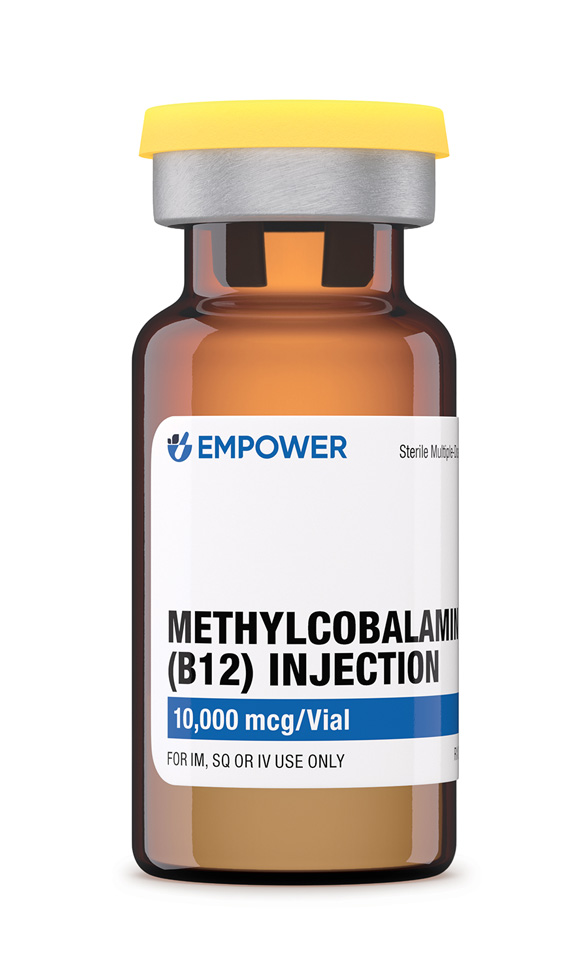
Here’s an example of the kind of methylcobalamin B12 injection patients may receive. (Always confirm the exact product, concentration, and dosing instructions from your prescribing clinician.)
Common questions clinicians consider in “b12 injections in pregnancy guidelines”
When are injections favored over oral B12?
Injections are more likely when deficiency is confirmed and severe, when there are neurologic symptoms, or when absorption/response to oral therapy is uncertain. If labs suggest a less urgent issue and oral treatment is likely to work, guidelines in practice often support oral supplementation.
What labs or outcomes are typically followed?
Teams usually track biochemical response (B12 level and/or supporting labs) and clinical response (improving anemia-related symptoms, neurologic symptom stability or improvement). The specific labs and timing vary by setting and patient factors.
What could make a plan ineffective?
Based on cases I’ve seen, common issues include:
- Misdiagnosis (anemia from a different cause treated as B12 deficiency)
- Missing follow-up (no repeat labs, unclear duration)
- Unaddressed absorption barriers (oral therapy continued when injection was chosen for a reason)
- Non-adherence to the defined schedule
FAQ
Are b12 injections recommended for all pregnant people?
No. In most practical guideline-based care, injections are reserved for confirmed B12 deficiency or specific risk situations (e.g., malabsorption, inadequate response to oral therapy, or significant symptoms). Many pregnant people can be managed with oral supplementation and dietary guidance when appropriate.
How do clinicians decide between methylcobalamin injections and oral B12?
Clinicians weigh severity of deficiency, presence of symptoms (especially neurologic), absorption concerns, and expected response to oral therapy. Injection is typically favored when rapid and reliable repletion is needed or when oral absorption is uncertain.
What should I ask my doctor at my next prenatal visit if I was prescribed injections?
Ask: (1) what diagnosis supports injections, (2) the planned duration and reassessment date, (3) which labs will be repeated and when, (4) what maintenance plan follows injections, and (5) which symptoms should improve (and by when).
Conclusion: the most actionable next step
“b12 injections in pregnancy guidelines” ultimately comes down to thoughtful indication, correct dosing strategy, and measurable follow-up. In my experience, the safest and most effective outcomes happen when the injection plan has a clear purpose and a defined monitoring timeline—not when it’s continued indefinitely without reassessment.
Next step: If you’re starting (or considering) methylcobalamin injections in pregnancy, schedule a follow-up discussion that includes your diagnosis, a date for repeat labs, and the maintenance plan after the initial repletion phase.
Discussion