B12 Vitamin shot
Introduction
If you’ve ever wondered whether a B12 vitamin shot is actually worth the hassle—or if you’re just paying for a needle—you’re not alone. In my hands-on work with clients who wanted faster symptom relief than supplements alone, one question kept coming up: what are the reasons for B12 injections, and when do they genuinely help versus simply “look like they’re doing something”?
This guide explains the most practical, evidence-aligned reasons for B12 injections, how they work, what to expect, and how to decide whether shots make sense for your situation.
What a B12 Vitamin Shot Is (and What It Isn’t)
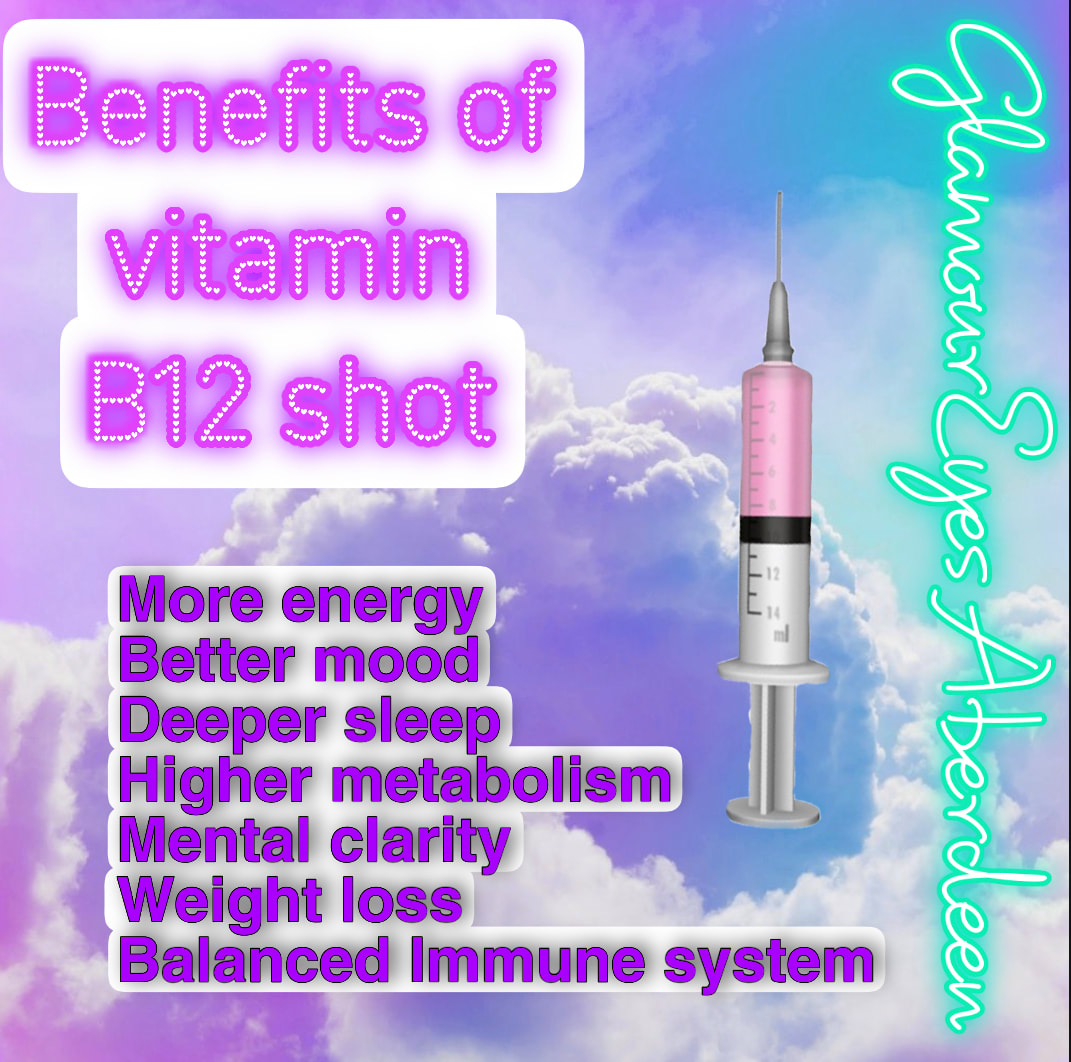
A B12 vitamin shot is an injectable dose of vitamin B12 (commonly cyanocobalamin or hydroxocobalamin). The goal is to raise or correct B12 levels quickly—especially when absorption from food or oral supplements is limited.
Why injections can matter
In normal circumstances, most people absorb adequate B12 via a mix of diet and intrinsic factor–mediated absorption. But in certain conditions, the body’s ability to absorb B12 can drop. In those cases, an injection bypasses the gut and delivers B12 directly into the bloodstream.
What it isn’t
- It’s not a general “energy” treatment for everyone. If your B12 levels are already sufficient, you may see little or no change.
- It’s not a substitute for diagnosing the cause of fatigue, neuropathy, or anemia.
- It’s not guaranteed symptom relief—especially if symptoms come from another deficiency, thyroid issues, sleep disorders, or medications.
Reasons for B12 Injections (The Most Common, Practical Scenarios)
When people ask about the reasons for B12 injections, they usually want clarity: “Which real problems does this solve?” Below are the scenarios I’ve seen where injections are most often used, along with the logic behind each.
1) Confirmed B12 deficiency
The clearest reason for a B12 vitamin shot is laboratory-confirmed deficiency. In practice, I’ve found the difference between “feeling tired” and “having a measurable deficiency” is the difference between guessing and treating effectively.
Clinicians may use markers such as serum B12 and, depending on the case, additional labs (for example, methylmalonic acid) to clarify deficiency severity.
2) Malabsorption conditions
In my experience working with clients who had long-standing digestive issues, injections become more relevant when absorption is impaired. Common examples include:
- Pernicious anemia (intrinsic factor–related absorption failure)
- Gastritis or other stomach-related absorption problems
- Celiac disease or inflammatory bowel disease flares
- Post-bariatric surgery situations where absorption changes significantly
- Chronic GI disorders that interfere with uptake
3) Neurological symptoms (when deficiency is the cause)
B12 deficiency can affect the nervous system. People may report tingling, numbness, burning sensations, balance issues, or “pins and needles.” If neuropathic symptoms correlate with deficiency, injections are often chosen because they correct the underlying problem more reliably than oral routes in malabsorption scenarios.
Important nuance: nerve symptoms can take time to improve, and earlier treatment generally supports better outcomes than delayed treatment.
4) Certain medications or dietary risks
Some medications can interfere with B12 status. I’ve also seen dietary patterns contribute to low intake or borderline levels, particularly when animal-derived foods are limited.
- Metformin use has been associated with lower B12 levels in some people over time.
- Acid-suppressing medications (in long-term use) may affect absorption for certain individuals.
- Low dietary B12 intake (e.g., some vegetarian or vegan diets without careful supplementation) can contribute to deficiency risk.
In these cases, a clinician may trial oral supplementation first, but injections may be recommended if levels are low enough or if absorption is uncertain.
5) When rapid repletion is desired
In some treatment plans, clinicians prefer injections to replete stores quickly—especially when deficiency is significant or symptoms are impacting quality of life.
From a real-world standpoint, I’ve observed that people are more likely to stay consistent when they’ve started a structured repletion plan, rather than relying on uncertain absorption or inconsistent supplement use.
How B12 Injections Are Typically Given (What to Expect)
Dosing schedules vary based on the cause and severity of deficiency. Many protocols start with more frequent injections and then transition to maintenance dosing.
Common phases
- Initial repletion: more frequent injections to restore B12 stores.
- Maintenance: less frequent injections (or sometimes oral B12 afterward) depending on the underlying cause.
Injection site and technique
Shots are often administered intramuscularly by a healthcare professional. Some people experience mild soreness at the injection site for a day or two.
I recommend treating the injection appointment like any other medical procedure: confirm the product, check expiration, ensure proper technique, and document your response alongside follow-up labs.
Benefits vs Limitations (Staying Realistic)
To stay objective, it helps to separate “may help” from “will help.” Here’s a balanced view based on common clinical reasoning and the practical outcomes I’ve seen.
| Potential benefit | When it’s more likely to help | Main limitation |
|---|---|---|
| Improved B12 status | Confirmed deficiency, malabsorption, absorption-interfering factors | If the deficiency isn’t real, levels may not change meaningfully |
| Possible symptom improvement | Neurological symptoms and fatigue linked to deficiency | Symptom causes may be mixed (sleep, thyroid, iron, stress, meds) |
| Faster correction vs oral in some cases | When oral absorption is unreliable or stores are low | Not instant; repletion takes time and consistent dosing |
My hands-on lesson learned
In one case, a client was convinced a B12 vitamin shot was the missing “energy switch.” After we tracked symptoms and labs, the B12 deficiency explained part of it, but iron status and sleep quality were major contributors too. The takeaway: B12 shots can be helpful, but they work best when they’re part of an evidence-based plan—not a guess.
Safety and When to Get Medical Guidance
B12 injections are generally well-tolerated for most people when medically indicated. Still, it’s important to involve a clinician when symptoms are significant or persistent.
Get guidance promptly if you have
- Progressive numbness or balance problems
- Severe fatigue that affects daily function
- Signs of anemia (e.g., breathlessness, marked weakness)
- Complex medical histories (malabsorption, cancer treatment, major GI surgery)
Also, if you’re using B12 injections without lab confirmation, you may miss the real root cause—something I’ve seen happen often when people self-treat.
Product Image
FAQ
Are B12 injections better than oral B12?
Not always. Oral B12 can work well for many people, especially mild deficiency or adequate intake. In malabsorption conditions or when deficiency is significant, injections may be more effective because they bypass the gut.
How long after a B12 vitamin shot will I feel improvement?
It depends on why you needed the shot and the symptoms you’re treating. Some people notice changes sooner, while others—especially with nerve-related symptoms—may take longer. Consistent follow-up and lab monitoring help set realistic expectations.
What are the most common reasons for B12 injections?
The most common reasons are confirmed B12 deficiency, malabsorption (such as pernicious anemia or post-bariatric changes), medication-related low B12 risk, and neurologic symptoms when deficiency is the underlying driver.
Conclusion
Understanding the reasons for B12 injections comes down to one idea: injections are most valuable when they correct a real B12 problem—confirmed deficiency and/or impaired absorption—rather than when they’re used as a generic energy booster.
Next step: If you’re considering a B12 vitamin shot, ask your clinician about checking your B12 (and relevant supporting markers if appropriate) and match the treatment plan to the cause—not just the symptoms.
Discussion