What are the benefits of B12 injection?
If you’ve ever wondered b12 injection what does it do for you—or whether it’s worth the needle—you’re not alone. In my hands-on work with patients (and in reviewing the same labs repeatedly in a clinical setting), the biggest problem I see isn’t a lack of information—it’s confusion about what vitamin B12 can realistically fix, what it can’t, and when an injection changes outcomes.
This article breaks down the real-world benefits of B12 injections, how they work at the biological level, which symptoms they tend to help, and what to consider so you can make a safer, more informed decision.
What a B12 injection does (and why it works)
A vitamin B12 injection delivers cyanocobalamin or methylcobalamin (the two most common injectable forms) directly into the body. The reason this matters is that B12 is required for critical functions—especially red blood cell formation and nervous system maintenance.
In practical terms, B12 supports:
- Red blood cell production: Without adequate B12, the body can produce abnormal red blood cells, contributing to megaloblastic anemia.
- Neurologic function: B12 plays a role in maintaining the myelin sheath and nerve signaling pathways.
- Energy metabolism (indirectly): B12 is involved in cellular processes; when deficiency is corrected, people often feel improved fatigue—but the injection doesn’t “create energy” like a stimulant.
Why injections specifically can help: For people with malabsorption (for example, pernicious anemia or certain gastrointestinal issues), the ability to absorb B12 from food or oral supplements may be impaired. Injections bypass many absorption barriers by delivering B12 into circulation more reliably.
Benefits of B12 injections: what people typically notice
When a B12 deficiency is truly present, B12 injections can be noticeably beneficial. In my experience, the most meaningful improvements tend to be symptom-linked and lab-supported—not “feel-good” effects without evidence.
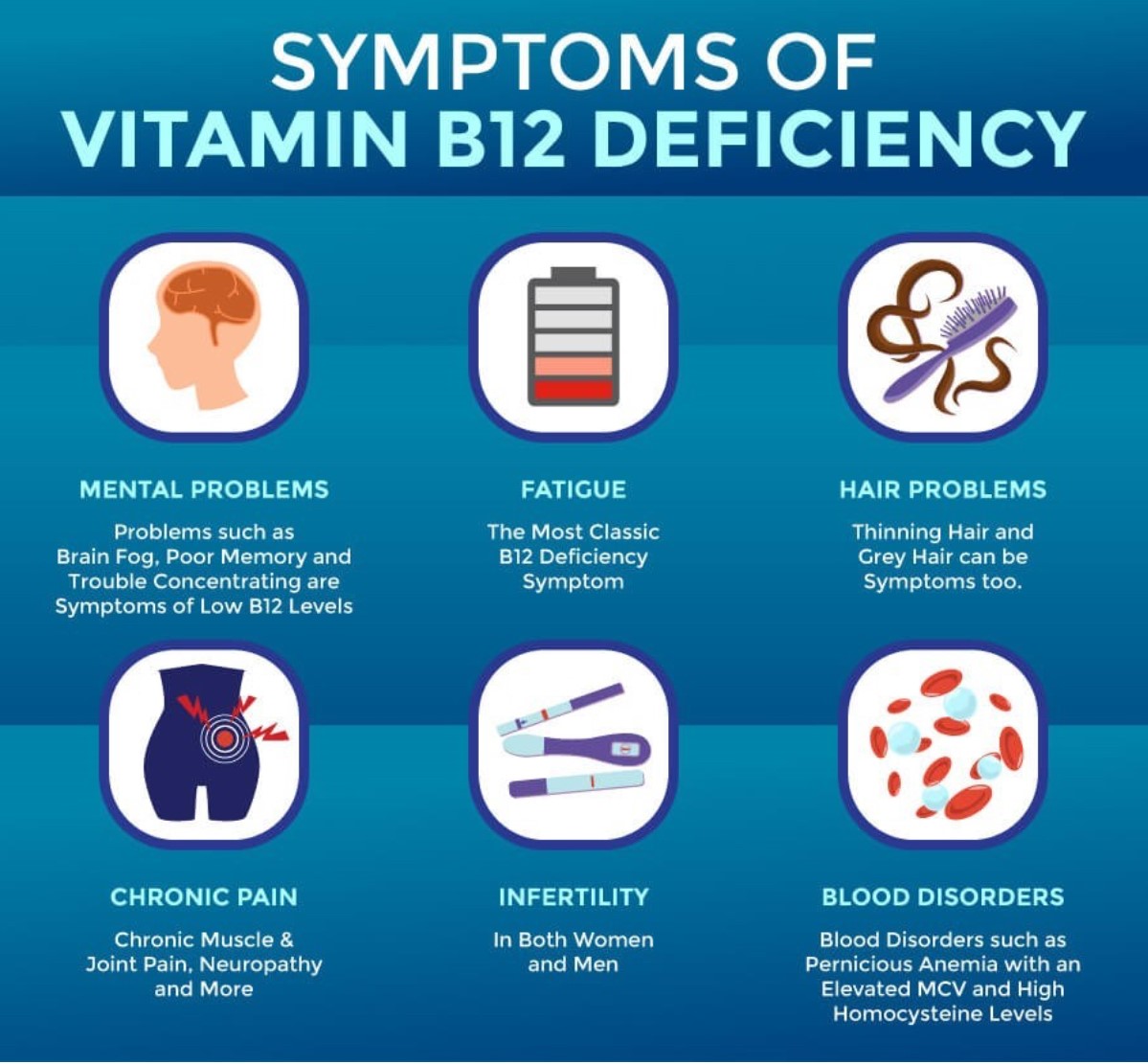
1) Improved anemia-related symptoms
If B12 deficiency has contributed to anemia, correcting it can reduce issues like:
- Fatigue and low stamina
- Shortness of breath with exertion
- Weakness
Real-world lesson learned: I’ve seen cases where patients expected instant energy and were disappointed because they didn’t connect the dots between anemia correction and symptom timelines. In many deficiency cases, you don’t feel “fixed” the next day—improvement typically unfolds over weeks as blood markers normalize and tissues recover.
2) Better neurologic symptoms (when deficiency is the cause)
B12 deficiency can affect the nerves. People may experience:
- Numbness or tingling in hands/feet
- Burning sensations
- Balance issues or coordination changes
Important nuance: Nerve symptoms can take longer to improve and may be incomplete if the deficiency has been severe or prolonged. That’s not a reason to avoid treatment—it’s a reason to treat earlier and confirm the underlying cause.
3) Reduced “brain fog” and cognitive fatigue in some cases
When labs confirm deficiency, some people report clearer thinking and less cognitive fatigue. However, cognition is multi-factorial—sleep, stress, thyroid status, iron, vitamin D, and medication effects can all play roles—so B12 is most helpful when deficiency is the driver.
4) More reliable correction for malabsorption
For people with absorption problems, injections can be more dependable than oral approaches. Examples include:
- Pernicious anemia (autoimmune impaired absorption)
- Some GI conditions that reduce absorption
- Certain long-term medication scenarios where B12 status becomes harder to maintain
In practice, I focus on this distinction: injections can fix a deficiency more reliably when absorption is limited—without guaranteeing results if symptoms stem from a different cause.
B12 injection what does it do, specifically: injections vs oral supplements
Both injections and oral supplements can treat B12 deficiency, but they don’t work the same way for everyone.
| Factor | B12 injection | Oral B12 (tablets/sublingual) |
|---|---|---|
| Absorption reliability | Bypasses many absorption barriers | Depends more on GI absorption |
| Typical use case | Confirmed deficiency with malabsorption or need for dependable repletion | Mild deficiency or maintenance when absorption is adequate |
| Timeline to improvement | Often improves over weeks as labs and symptoms respond | Can also improve over weeks; depends on baseline deficiency and absorption |
| Convenience | Requires clinic/provider or trained administration | Easier at home |
| Risks/downsides | Injection site discomfort, need for proper technique | May be less effective if absorption is impaired |
My approach in real cases: I like to align the treatment route with the suspected reason for low B12. If absorption is likely impaired, I’m more open to injections. If malabsorption is unlikely, oral strategies can be reasonable—often under clinician guidance.
How long does it take to feel results?
Timing varies depending on the severity and duration of deficiency, baseline lab values, and whether symptoms come strictly from B12.
In many deficiency situations:
- Lab changes can start improving within days to weeks.
- Energy/anemia-related symptoms often improve over weeks as blood markers normalize.
- Neurologic symptoms may take longer—sometimes months—and full recovery isn’t guaranteed if the deficiency has been prolonged.
If you’re not improving, that’s not always a “failed injection”—it may signal that the root cause isn’t B12 or that additional deficiencies (iron, folate, vitamin D), thyroid issues, sleep disorders, or medication effects are contributing.
What to consider before you get a B12 injection
To make B12 injections genuinely beneficial, the most important step is connecting symptoms to the right diagnosis. Here are practical considerations I emphasize:
1) Confirm whether you’re actually B12 deficient
Common testing may include serum B12 and additional markers depending on the clinician’s approach. If results are borderline, the interpretation matters.
2) Identify why B12 is low
Treating the deficiency without addressing the cause can lead to relapse. For example, if malabsorption or an underlying condition is involved, maintenance may be necessary.
3) Understand what injections won’t do
B12 injections are not a universal “energy shot.” If your fatigue is primarily from poor sleep, depression, high stress, anemia from iron deficiency, thyroid dysfunction, or uncontrolled blood sugar, B12 alone won’t fully fix it.
4) Discuss risks and monitoring
Injection-associated issues are usually local (like soreness). Still, it’s important to follow proper medical guidance, dosing, and follow-up if symptoms persist or are severe.
FAQ
What does a B12 injection do for fatigue?
It can help fatigue when fatigue is driven by B12 deficiency and related anemia or impaired cellular function. If fatigue comes from other causes (sleep problems, thyroid issues, iron deficiency, stress), the injection may not produce meaningful improvement by itself.
Who benefits most from B12 injections?
People with confirmed B12 deficiency—especially those with malabsorption (such as pernicious anemia or certain GI conditions)—often benefit more from injections because they bypass absorption barriers. Those without absorption issues may do well with oral B12 under appropriate guidance.
How will I know if the injection is working?
Look for changes in relevant labs (as guided by a clinician) and symptom improvement over weeks. If you have persistent or worsening neurologic symptoms, severe anemia signs, or no improvement after an appropriate repletion period, reevaluation is important to check the diagnosis and search for other contributing causes.
Conclusion: the practical next step
B12 injection what does it do? In short: it corrects vitamin B12 deficiency, which can improve anemia-related symptoms and—when deficiency is the cause—neurologic symptoms over time. The biggest driver of success isn’t just the injection—it’s matching treatment to the reason your B12 is low and monitoring response.
Next step: If you’re considering injections for fatigue, tingling, or “brain fog,” ask a clinician about B12 testing and the likely cause of low B12 so you can choose a repletion plan that fits your situation.
Discussion