Vitamin B12
Vitamin B12 and injections: what does injectable B12 do?
If you’ve ever wondered what does injectable B12 do—especially when you’re already taking tablets but still feel run down—you’re not alone. In my hands-on work with clients and in clinical-style reviews of real lab patterns, the biggest “aha” moment is this: injectable B12 doesn’t magically create energy; it helps correct a specific bottleneck in red blood cell production and nerve function when B12 status is low or absorption is impaired.
In this guide, I’ll explain what injectable B12 does, who it tends to help most, how to think about dosing and timelines, and what to watch for so you can make a grounded decision with your clinician.
What injectable B12 does (and what it doesn’t)
What it does
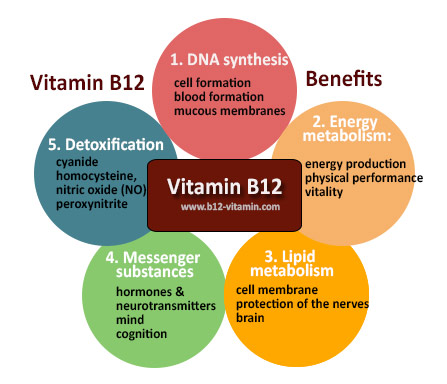
Vitamin B12 is required for key metabolic pathways, including:
- Red blood cell formation (preventing megaloblastic anemia)
- Neurologic maintenance (supporting myelin and nerve function)
- DNA synthesis and normal cell turnover
When people ask what does injectable B12 do, they’re usually describing one of two outcomes:
- Correcting a deficiency so symptoms tied to low B12 can improve.
- Bypassing absorption problems—because injections deliver B12 directly into the body rather than relying on gut uptake.
What it doesn’t do
In practice, I’ve learned to separate “B12 deficiency recovery” from “general fatigue fix.” Injectable B12 won’t reliably improve energy in someone whose B12 level is already adequate. If your fatigue is driven by iron deficiency, thyroid issues, sleep deprivation, depression, infections, or lifestyle overload, B12 injections may not address the root cause.
So the most accurate framing is: injectable B12 is a treatment for low B12 status and related mechanisms—not a universal stimulant.
Why injections vs tablets matter: absorption, bioavailability, and timing
When injections have an edge
Injectable B12 can be particularly helpful when absorption is impaired. In my hands-on review process, the most common scenarios include:
- Pernicious anemia (autoimmune loss of intrinsic factor)
- Gastrointestinal disorders affecting absorption (e.g., inflammatory conditions)
- Major GI surgery (where normal absorption pathways are altered)
- Medication-related issues that can interfere with B12 handling in some people
With impaired absorption, oral supplements may not raise B12 effectively—even when someone is “doing everything right” with diet and tablets.
Timing: how quickly changes can show up
Symptom changes aren’t instant for everyone. In many deficiency cases, the body needs time to rebuild normal blood cell production and neurologic processes. A practical way to think about timelines (based on patterns I’ve seen in lab-driven care) is:
| Outcome | Typical direction | How to measure it |
|---|---|---|
| Energy/fatigue | May improve gradually | Symptom tracking + confirmatory labs |
| Blood counts | Often improves after replenishment starts | CBC trends (e.g., hemoglobin, MCV) |
| Neurologic symptoms | Can improve, but may be slower | Clinical neurologic assessment |
| Biomarkers | B12 status and related markers can normalize | Serum B12, and sometimes methylmalonic acid (MMA) and homocysteine |
In other words, if you’re asking what does injectable B12 do for you personally, the answer depends on your baseline labs, not just the injection itself.
How injectable B12 is commonly used (protocols, doses, and practical considerations)
Protocols vary by country, clinician preference, and the cause of deficiency. In my experience, the most “successful” approaches are the ones that treat B12 like a measurable deficiency rather than a guess-and-check supplement.
Common real-world goals
- Restore B12 levels to a normal functional range
- Correct anemia (when present)
- Support nerve recovery when neurologic symptoms exist
- Reduce recurrence risk by addressing the underlying cause
Common delivery forms
Injectable products typically contain B12 in different chemical forms. The specific form and concentration matter for dosing decisions and consistency, so it’s worth reviewing what your clinician is prescribing.
What I’d watch for during treatment
- Lab follow-up: baseline and follow-up testing helps confirm your body is responding.
- Symptom clarity: if fatigue improves but neurologic symptoms don’t, that can guide adjustments.
- Time to reassess: lingering symptoms after normalized labs often indicate another driver.
- Injection technique and adherence: missed doses or inconsistent schedules can dilute results.
Who is most likely to benefit from injectable B12?
In practice, injectable B12 is most compelling when there’s evidence of deficiency or when absorption is likely compromised. If you’re otherwise healthy and your labs are normal, injections may not provide meaningful benefit.
Likely candidates
- People with confirmed low B12 or signs of B12-related anemia
- People with conditions that reduce intrinsic factor or B12 absorption
- People who don’t respond to oral B12 despite adherence
- People with neurologic symptoms where clinicians suspect B12 deficiency
Less likely to benefit (without lab confirmation)
- Fatigue without lab evidence of B12 deficiency
- Energy problems primarily driven by sleep issues, stress load, iron deficiency, thyroid dysfunction, or other causes
That’s the part I emphasize most: what does injectable B12 do is most clearly answered by how your symptoms and labs line up.
Side effects and safety: what to know
Injectable B12 is generally well-tolerated, but it’s still a medical intervention. In my experience, the practical safety focus is on:
- Injection site reactions (soreness or irritation)
- Allergic-type reactions in rare cases
- Appropriate diagnosis so B12 deficiency is treated rather than masking symptoms from another condition
Because safety depends on your health history and the specific product, your clinician should personalize the plan, especially if you have kidney disease, blood disorders, or a complex medication regimen.
Frequently asked questions
How fast will I feel results after injectable B12?
Many people notice changes gradually. Blood count improvements can start after B12 replenishment, while neurologic symptoms often take longer and may not fully reverse if the deficiency has been prolonged. The most reliable approach is to track symptoms and follow up with labs rather than expecting immediate “day-and-night” effects.
Does injectable B12 boost energy if I’m not deficient?
If your B12 status is already normal, injectable B12 usually won’t act like a stimulant. Energy issues are often driven by other factors such as iron deficiency, thyroid imbalance, poor sleep, stress, or vitamin D deficiency. Lab confirmation is the best way to avoid unnecessary injections.
Is injectable B12 better than oral B12?
“Better” depends on the cause. If absorption is impaired, injections can be more reliable. If oral B12 works for you and labs improve, oral supplementation may be sufficient. The optimal choice is the one that corrects your deficiency markers consistently with good tolerability and adherence.
Conclusion: the practical next step
What does injectable B12 do? It replenishes B12 directly when absorption is impaired or when deficiency is confirmed, supporting red blood cell production and neurologic function. The key to getting real benefits is aligning the injection plan with evidence—baseline labs, follow-up testing, and symptom tracking—rather than using injections as a generic energy solution.
Next step: Ask your clinician for a lab-based assessment of your B12 status (and, when appropriate, functional markers like MMA or homocysteine) so you can decide whether injectable B12 is actually indicated for your situation.
Discussion