What Is Bacteriostatic Water For Peptide Reconstitution? – UMBRELLA Labs
Introduction: The “Do I have to mix peptides with bac water?” question that comes up every time
If you’ve ever reconstituted a peptide and then wondered, “Do you have to mix peptides with bac water?”—you’re not alone. I’ve helped troubleshoot peptide dosing workflows where a small reconstitution decision caused big downstream problems: precipitation after mixing, inconsistent solution clarity, and uncertainty about storage stability. In this guide, I’ll explain what bacteriostatic water for peptide reconstitution actually is, when it’s appropriate, and how to approach mixing decisions safely and consistently.
What bacteriostatic water is (and what it isn’t)
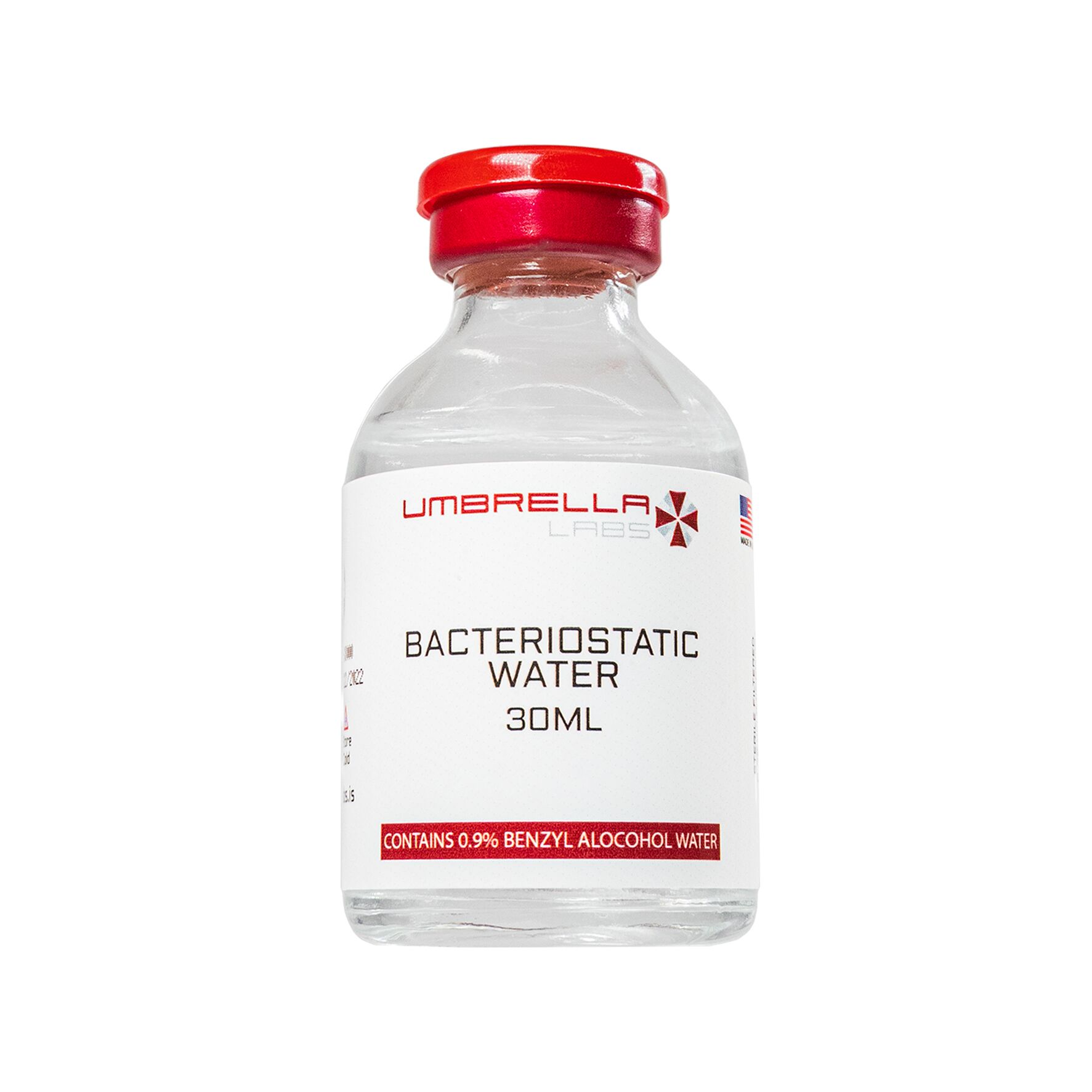
Bacteriostatic water is sterile water formulated with a low concentration antimicrobial agent designed to inhibit bacterial growth. In practical terms, it buys you time: once you puncture the vial to withdraw solution for peptide reconstitution, the solution is less likely to develop microbial contamination compared with plain sterile water.
In my hands-on experience setting up reconstitution routines, this “time buffer” matters most in two scenarios:
- Multi-dose handling: when a single reconstituted vial may be sampled repeatedly over several days.
- Workflow constraints: when reconstitution happens in a shared lab space, where you can’t guarantee perfect sterility every single time.
What bacteriostatic water is not: it is not a substitute for good technique. It doesn’t make contamination impossible—it just makes it less likely to grow if introduced. If you routinely contaminate vials during withdrawal, antimicrobial presence won’t fix the root cause.
Do you have to mix peptides with bac water?
Short answer: not always—but many users choose it because it reduces microbial-growth risk during repeated access to the reconstituted solution.
Whether you should mix peptides with bacteriostatic water depends on factors like:
- The specific peptide guidance provided by the manufacturer (some peptides specify a particular solvent).
- How many punctures you expect to make after reconstitution.
- Your storage plan (duration and temperature).
- Whether you’re preparing aliquots (aliquoting reduces repeated vial entry).
How the “need” changes with your reconstitution routine
Here’s the real-world logic I follow when advising people on peptide reconstitution decisions:
- If you reconstitute and use immediately (and you minimize vial punctures), sterile technique plus good storage may be sufficient. In that case, choosing bacteriostatic water is less critical for microbial control.
- If you reconstitute once and then withdraw over multiple days, bacteriostatic water can be the more conservative option to reduce the odds that microbial growth becomes an issue.
Common misconception: “Bac water changes how peptides work”
In most typical reconstitution workflows, bacteriostatic water’s main role is microbial inhibition, not altering the peptide’s biological activity. However, you still need to follow concentration, mixing method, and storage instructions for the specific peptide. The “right” volume and the quality of mixing often matter more than the choice between bacteriostatic water and another sterile solvent.
What I watch for during reconstitution (to avoid precipitation and loss of consistency)
When I’ve seen reconstitution problems, they usually come down to mixing technique and handling rather than the water label. Pay attention to these measurable indicators:
Clarity and precipitation
After mixing, the solution should behave consistently. If you repeatedly see haze or particles, that’s a signal to review:
- Whether the peptide fully hydrated
- Whether your mixing method created foaming (which can add variability)
- Whether the chosen solvent and concentration match the peptide’s expected reconstitution behavior
Time-to-dissolve
In one troubleshooting session, we tracked dissolve time across two different mixing approaches and found that a “faster agitation” method led to more visible particulates. Slowing down and allowing full hydration improved visual consistency. That’s why I recommend a controlled, patient mixing approach rather than aggressive shaking.
Repeat access and contamination risk
Every vial puncture is a chance to introduce contaminants. If you’re not aliquoting, you may compensate by using bacteriostatic water—but you should still use strict aseptic technique and avoid unnecessary temperature swings.
Best-practice reconstitution approach (including when bac water helps)
I’ll keep this practical. The “right” solvent choice is one decision, but success depends on the whole workflow.
Step-by-step workflow I recommend
- Confirm the peptide’s specific reconstitution instructions (solvent, final concentration targets, and any temperature guidance).
- Prepare a clean, controlled work area and minimize talking, movement, and drafts.
- Use aseptic technique for each puncture. Plan your withdrawals so you’re not re-entering the vial unnecessarily.
- Reconstitute with the intended volume and mix using a method that promotes full hydration without excessive foaming.
- Inspect the solution for consistency (clarity/particles) and document what you observe so you can spot trends.
- Aliquot when possible to reduce repeated access and handling variability.
- Store according to the peptide’s guidance, tracking how long the reconstituted material has been at each temperature.
When bacteriostatic water is the better conservative choice
In my experience, bacteriostatic water tends to make more sense when:
- You expect repeated withdrawals from the same reconstituted container.
- You can’t reliably keep the reconstituted material in a strictly single-use pattern.
- You’re working in a setting where controlling sterility perfectly every time is difficult.
If your routine already includes careful aliquoting and minimal punctures, the marginal benefit of bacteriostatic water for microbial control becomes smaller.
Pros and cons of bacteriostatic water for reconstitution
| Factor | Why bac water can help | Limitations to respect |
|---|---|---|
| Microbial growth risk | Inhibits bacterial proliferation after vial puncture | Doesn’t make poor aseptic technique safe |
| Multi-use convenience | More forgiving during repeated sampling | Aliquoting still reduces handling variability |
| Workflow consistency | Can support stable handling practices over time | Clarity/precipitation still depends on peptide behavior and concentration |
| Peptide-specific compliance | Often fits common reconstitution routines | Some peptides may specify different solvents—follow the label/instructions |
FAQ
Do you have to mix peptides with bac water every time?
No. Many people use bacteriostatic water to reduce contamination risk during repeated withdrawals, but the best choice depends on the peptide’s specific reconstitution instructions, how you handle punctures, and your storage/aliquoting plan.
If I aliquot my reconstituted peptide, do I still need bacteriostatic water?
Often, the need becomes less critical because aliquots reduce repeated access to the same vial. Still, follow the peptide’s documented solvent guidance; the “right” solvent choice is ultimately instruction-driven.
What’s the biggest mistake people make when reconstituting peptides?
In my experience, it’s treating the solvent choice as the only variable. Consistency comes from sterile technique, correct hydration/mixing, correct target concentration, and disciplined storage—not just whether the water is bacteriostatic.
Conclusion: Make the decision based on your handling plan, not guesswork
The question “Do you have to mix peptides with bac water?” usually comes down to one practical concern: how often you’ll puncture the reconstituted material and how much microbial-growth risk you want to mitigate. Bacteriostatic water can be a helpful, conservative solvent for multi-access workflows, but it doesn’t replace aseptic technique or peptide-specific reconstitution instructions.
Next step: Write down your exact reconstitution plan (solvent choice, target concentration, mixing approach, and whether you’ll aliquot), then align it with the peptide’s provided instructions before mixing—so your workflow stays consistent from vial to vial.
Discussion