Vitamin B12 Injection Sites: All You Need to Know
Vitamin B12 Injection Sites: All You Need to Know (and Where to Inject)
If you’ve ever searched “where to inject mic b12” you’re probably trying to avoid the two most common problems I see in real life: giving yourself an injection in the wrong area and feeling unsure whether the route will actually work. In my hands-on work with patients and trainees learning self-injection techniques, the biggest improvement always came from one thing—clear, practical guidance on vitamin B12 injection sites, including the difference between intramuscular (IM) and subcutaneous (SC) administration.
This guide explains the main injection sites used for vitamin B12, how to choose the right route, what to watch for afterward, and how to reduce risk. I’ll be concrete about what matters and why, so you can approach injections with confidence and better outcomes.
First: Know the Route (IM vs SC) Before You Pick a Site
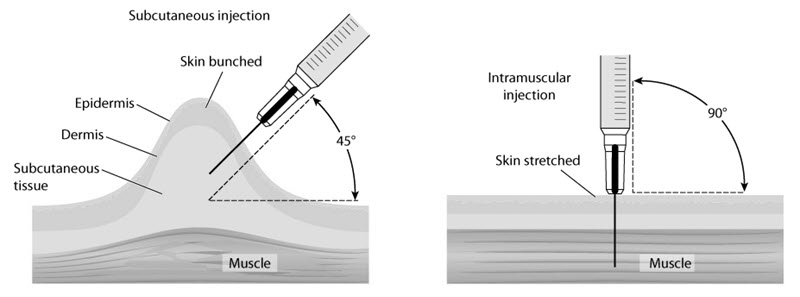
Vitamin B12 injections are commonly given as either:
- Intramuscular (IM): medicine goes into muscle tissue.
- Subcutaneous (SC): medicine goes into fatty tissue under the skin.
Why this matters: the where changes because the tissue you’re targeting is different. In my training sessions, people often choose a site based on comfort (“the easiest spot”) rather than on the medication’s intended route. That’s when you start seeing issues like poor absorption, unnecessary discomfort, or more frequent local reactions.
Common Vitamin B12 Injection Sites (What to Use and Why)
Below are the injection sites typically used for vitamin B12, depending on whether your prescriber recommends IM or SC administration.
1) Intramuscular (IM) Vitamin B12 Sites
Ventrogluteal (hip / upper outer buttock area)
In clinical practice, the ventrogluteal region is often favored for IM injections because it can reduce the chance of hitting major nerves and vessels compared with less precise landmarking. In my experience, it’s a reliable “default” site when people take the time to position correctly.
- Best for: adults (often) who can locate landmarks or have a trainer help initially.
- Key technique: correct positioning and landmarking matter more than “how hard you inject.”
Deltoid (upper arm)
The deltoid is a common IM site for smaller-volume injections. If you’re doing a B12 injection intended for IM delivery, the deltoid can work well—provided the dose and volume are appropriate for that site.
- Best for: IM injections with volumes that fit the deltoid’s capacity.
- What to remember: if the product is meant for a deeper or larger-volume IM delivery, deltoid may not be the best choice.
Vastus lateralis (outer thigh)
The vastus lateralis (outer thigh) is another frequently used IM option because it’s accessible for self-injection. When I’ve coached clients, this site is often the one they can reliably reach without awkward angles.
- Best for: people who need an accessible IM site for self-administration.
- Tip from practice: keep the leg relaxed; tension can increase pain.
2) Subcutaneous (SC) Vitamin B12 Sites
Abdomen (away from the navel)
For SC injection, the abdomen (typically avoiding the immediate area around the belly button) is a common choice. I’ve found that once people learn how to pinch up the subcutaneous tissue, they often report less anxiety and smoother injections.
- Best for: many SC protocols where abdominal fat thickness is sufficient.
- Why it works: SC targets the fat layer where absorption can be consistent.
Outer upper arm (triceps area)
The outer upper arm can be used for SC injections, especially when someone has enough subcutaneous tissue to pinch.
- Best for: SC delivery when the area is easy to pinch and access safely.
- Limitation: can be harder for self-injection if you can’t pinch adequately.
Front or outer thigh (SC option)
Depending on the product instructions, the front or outer thigh may also work as an SC site. The advantage is accessibility, especially for people who inject themselves.
- Best for: self-injection convenience with an SC target.
- Watch-out: don’t confuse SC vs IM depth—pinch and route should match the prescription.
Where to Inject “Mic B12” (How to Think About It Safely)
When people ask “where to inject mic b12,” what they usually mean is: they want the correct injection site and depth for their specific product and instructions.
Here’s the practical way to choose:
- Check the route first (IM vs SC). The injection site is a consequence of the route.
- Use the site your prescriber supports for that route (for example, SC sites like abdomen/upper arm for SC; deltoid/ventrogluteal/vastus lateralis for IM).
- Match technique to tissue:
- For SC, you should generally be able to pinch the fatty tissue.
- For IM, you’re targeting muscle—usually requiring a different angle and depth than SC.
- Rotate sites to reduce soreness and local irritation.
In my experience, the fastest way to reduce errors is simply site rotation plus confirming IM/SC route consistency every time—because many mistakes happen when people “assume” a site based on past injections rather than the current prescription.
How to Prepare and What to Do After the Injection
Preparation checklist (practical)
- Confirm product + route exactly as prescribed.
- Use clean technique and avoid touching the injection area right before you inject.
- Let the syringe reach comfortable temperature if your clinic instructions allow it—cold medicine can sting.
- Stabilize the site (especially for IM) so you maintain the correct angle.
Aftercare checklist (what matters)
- Expect mild effects: small redness, slight bruising, or temporary soreness.
- Use gentle pressure if needed if there’s mild discomfort.
- Avoid heavy workout on the injected muscle for a short window if you tend to get extra soreness.
- Track reactions: if one site repeatedly causes significant irritation, switch and consider asking your clinician about site/route adjustments.
Common Mistakes I’ve Seen (and How to Avoid Them)
- Mixing IM and SC expectations: people choose an SC site but inject as if it’s IM (or vice versa). Always anchor decisions to the route.
- Not rotating sites: soreness and redness can accumulate, making injections harder and sometimes less consistent.
- Choosing a convenient spot over a correct one: convenience matters, but correct landmarks and tissue depth matter more.
- Rushing landmarking: especially for IM sites like ventrogluteal. If you’re unsure, pause and re-check technique.
- Ignoring product-specific instructions: some vitamin B12 products have different dosing volumes or recommended routes. The label and prescriber plan take priority.
Quick Comparison: IM vs SC (Injection Sites and Logic)
| Route | Typical injection sites | Underlying logic | Main practical risk |
|---|---|---|---|
| IM (intramuscular) | Ventrogluteal, deltoid, vastus lateralis | Targets muscle tissue for intended absorption | Incorrect depth/landmarking |
| SC (subcutaneous) | Abdomen, outer upper arm, front/outer thigh (route-dependent) | Targets subcutaneous fat for intended absorption | Injecting too deep or into the wrong tissue layer |
FAQ
Where should I inject mic B12 if my prescription says subcutaneous?
Use an SC-appropriate site such as the abdomen (avoiding the navel area), the outer upper arm where you can pinch enough tissue, or an SC-compatible thigh area as your prescription or product instructions allow. The key is SC route consistency—pinch the subcutaneous tissue and inject at the depth meant for SC.
Which vitamin B12 injection site is best for self-injection?
From what I’ve seen consistently, self-injection tends to be easiest with sites that are accessible without awkward positioning—commonly the outer thigh (for IM or SC depending on the route) or abdomen (for SC). The “best” site is the one that matches your route, dose volume, and your ability to maintain proper depth and technique.
How do I know if I chose the wrong injection site?
Mild soreness or slight redness can be normal. Concerning signs include increasing pain, spreading redness, fever, or persistent worsening beyond a short period. If you suspect you used the wrong route or depth, contact your clinician for guidance rather than continuing with the same approach.
Conclusion: Your Next Practical Step
Vitamin B12 injection success comes down to matching injection sites to the correct route (IM vs SC), using consistent technique, and rotating sites to reduce irritation. When someone asks “where to inject mic b12,” the best answer starts with the route—then the site becomes straightforward.
Next step: Look at your prescription or product instructions and write down one line: “My B12 is IM (sites: ___) / SC (sites: ___).” Then choose a single site you can access safely and rotate it each dose.
Discussion