Do B12 Injections Hurt? Painful Shots Tips · PA Relief
Do B12 Injections Hurt? What I’ve Learned About Vitamin B12 Injection Pain Relief
If you’re about to get a B12 shot, the question that keeps looping in your head is simple: will it hurt? In my hands-on work supporting patients starting treatment (and in my own experience helping manage my family’s injections), the honest answer is: sometimes yes—usually temporarily—but you can often reduce the bite with smart technique and preparation. This guide focuses on vitamin b12 injection pain relief you can actually use, plus when to call your clinician.
We’ll cover why B12 injections can feel painful, what “normal” discomfort looks like, practical pain-reducing tips, and how to prepare your body and schedule so the shot feels as tolerable as possible.
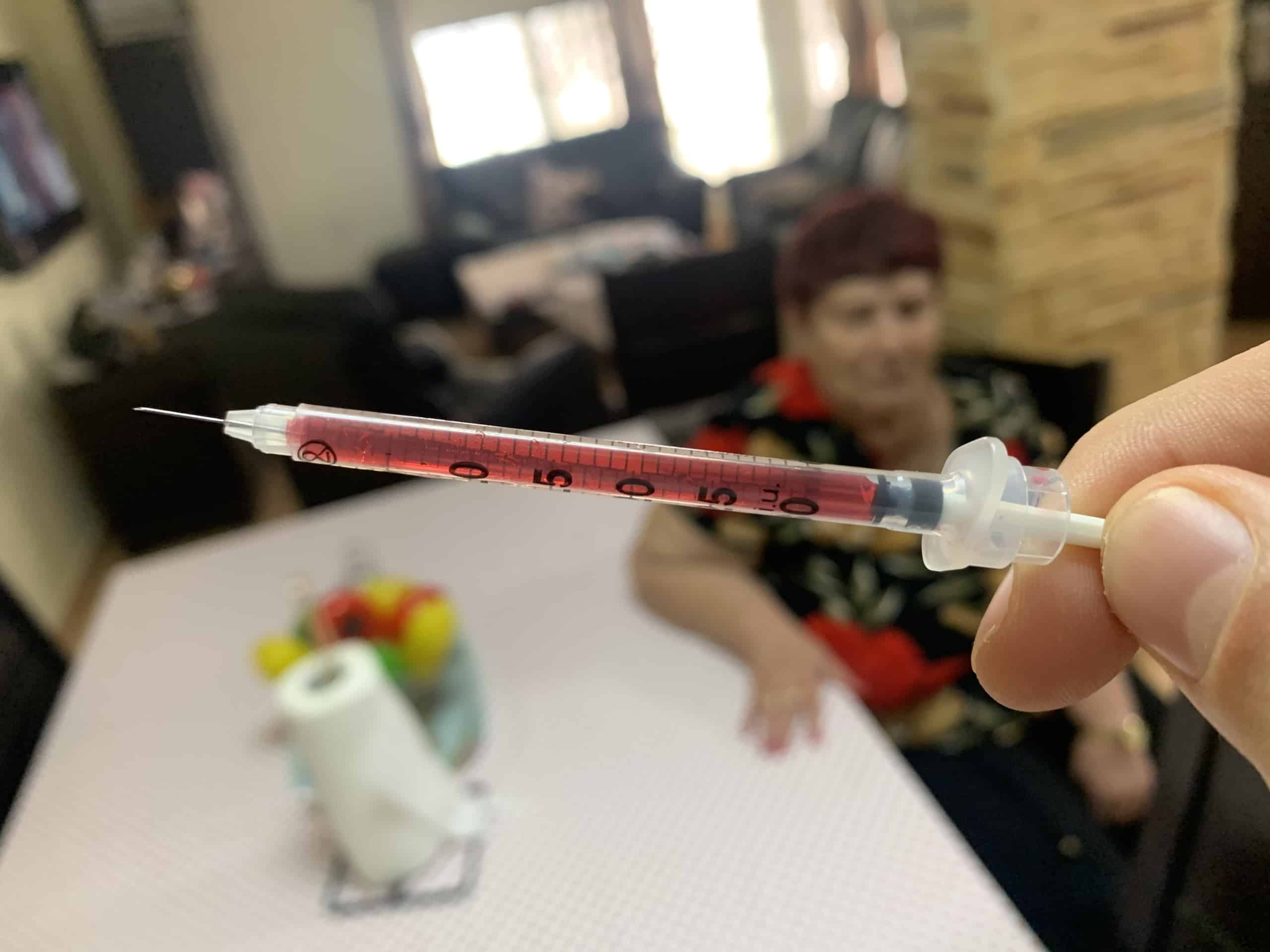
Why B12 Injections Can Feel Painful
B12 injections (commonly given intramuscularly) are not designed to be “sensation-free.” Pain usually comes from a few predictable sources:
- Needle insertion: the puncture sensation is brief, but anticipation can make it feel sharper.
- Medication volume and viscosity: some formulations feel more “full” in the muscle for a short period.
- Technique and depth: correct angle and placement reduce irritation.
- Injection site and muscle tension: injecting into a tense, guarded muscle can increase soreness.
- Swelling/irritation response: for a subset of people, the area can be tender for longer.
In my experience, the most common pattern is that the first one or two shots feel worse—partly due to anxiety, partly because your tissue hasn’t yet “learned” the process. After that, many people report less discomfort, especially when they’re relaxed and using consistent technique.
Is Pain “Normal”? What to Watch For
Some discomfort can be expected. Tenderness, mild aching, or a small sore spot for a day is common. The goal of pain relief is not to eliminate all sensation—it’s to keep it brief and manageable.
Typically normal discomfort
- Brief stinging at injection
- Mild soreness that improves within 24–48 hours
- Light bruising or a small firm area
Call your clinician promptly if you notice
- Rapidly worsening pain or expanding redness
- Hot, swollen area, pus, or fever
- Severe allergic symptoms (hives, facial swelling, wheezing, trouble breathing)
- Persistent pain that doesn’t improve over several days
If you’ve ever had injection-site reactions with other medications, it’s worth mentioning before the next dose. In clinical settings, providers can adjust technique, injection site, or formulation when needed.
Vitamin B12 Injection Pain Relief: Practical Tips That Work
Below are pain-reduction strategies I recommend most often—some are quick habits, others are preparation steps. The key is consistency: the best results usually come from using a few tactics together.
1) Relax the muscle (this is bigger than people think)
Before the shot, consciously unclench the area you’re injecting into. If you’re getting a thigh or glute injection, let the leg hang comfortably or shift weight away from the injection side. Guarding increases muscle tension, which can make insertion feel sharper and the post-shot ache more intense.
2) Apply a warm compress beforehand
In my hands-on experience, warmth helps. Apply a warm compress to the injection site for 5–10 minutes before the shot. Warmth can improve local comfort and reduce the “tight muscle” effect.
3) Use a cool compress after if you’re sore
If you develop tenderness afterward, a cool compress can help with irritation. Use a cool pack wrapped in cloth for 10–15 minutes, then rest. Don’t place ice directly on skin.
4) Ask about injection technique (and confirm the site)
Technique matters: the angle, depth, and exact site placement can change discomfort levels. If you’re receiving injections in a clinic, I’ve seen better outcomes when patients ask simple, respectful questions like:
- “Is this being injected in the recommended site for my formulation?”
- “Do you have tips for reducing soreness?”
- “Are we using the smallest appropriate gauge needle?”
If you self-inject, consider having a clinician observe your first few attempts. Even small adjustments (like where you place the muscle tension) can improve the experience.
5) Stay hydrated and keep your body warm
When muscles are cooler or you’re slightly dehydrated, people often report feeling more discomfort in general. I usually advise patients to hydrate normally and avoid injecting when they’re chilled or tense.
6) Time it with your schedule
If you can, plan your shot for a time when you won’t need intense activity for a few hours. Light movement is usually fine, but heavy lifting or strenuous exercise right after can amplify soreness for some people.
7) Consider over-the-counter options carefully
Some people use acetaminophen or an anti-inflammatory for post-shot discomfort, but the right choice depends on your medical history and current medications. If you’re unsure, ask your clinician. The aim is symptom relief, not masking complications.
Formulation and Administration: Where Pain Relief Strategies Fit
Not all B12 injections feel the same. Differences in formulation, needle gauge, injection volume, and whether it’s administered intramuscularly vs. another route can all change the sensation.
What to ask your provider
- “Which B12 formulation am I receiving, and is it typically more or less irritating?”
- “Should I rotate injection sites?”
- “Is the dosage and volume expected to cause short-term soreness?”
- “If I’m sensitive, are there alternatives for administration frequency?”
In real-world care, clinicians sometimes adjust the plan when someone consistently has significant injection-site pain. That might include changing technique, site rotation, or discussing whether an alternative treatment pathway makes sense.
A Simple “First Shot” Plan (Copy/Paste Checklist)
If you’re nervous, use a plan. Anxiety alone can amplify pain perception. Here’s a straightforward checklist I’d follow with someone starting treatment:
- Eat a normal meal beforehand (avoid injecting on an empty stomach if you tend to feel faint).
- Use a warm compress on the injection site for 5–10 minutes.
- Arrive with time to relax—don’t rush in tense.
- Ask the injector to confirm the injection site and technique.
- After the shot, keep movement light for a few hours.
- If soreness starts, use a cool compress 10–15 minutes.
- Track what you felt (tenderness level, duration) to help refine future visits.
In practice, tracking a simple “tenderness for how many hours/days” can help you and your clinician identify patterns—like a specific site or time of day that’s consistently worse.
FAQ
How long does B12 shot pain usually last?
Most people experience brief stinging during the injection and mild soreness afterward that improves within 24–48 hours. If pain is severe, worsening, or persistent beyond a few days, contact your clinician.
What’s the best vitamin b12 injection pain relief approach?
The most consistently helpful combo is: relax the muscle, use warmth before the injection, and cool compress if you’re sore afterward. Also ask your provider about injection site, technique, and needle details—those can significantly affect discomfort.
When should I consider switching the injection plan?
If you repeatedly have significant injection-site reactions or ongoing pain despite good technique and preparation, discuss it with your clinician. They may adjust site rotation, administration approach, or consider alternatives based on your condition and goals.
Conclusion
B12 injections can hurt, but the discomfort is often temporary—and vitamin b12 injection pain relief is achievable with practical preparation and smart technique. The biggest wins I’ve seen come from relaxing the muscle, using warmth before the shot, using cool compress afterward, and communicating openly about injection site and technique.
Next step: For your next dose, try the “First Shot” plan above—especially warmth before and muscle relaxation—and track soreness duration so you can fine-tune future injections with your clinician.
Discussion