Side Effects of B12 Injection (Common and Serious)
Introduction
If you’re considering a B12 injection—or you’ve already started—one question usually matters most: what are the side effects of B12 injection and when do they become serious? In my hands-on work with patients and healthcare teams reviewing post-injection reactions, I’ve seen how quickly anxiety can build when people only read scattered reports online. This article explains the most common and serious issues, plus how clinicians typically reduce risk. We’ll also cover vitamin b12 reactions to injection in practical, real-world terms so you know what to watch for and what to do next.
What a B12 Injection Does (and Why Reactions Can Happen)
Vitamin B12 is essential for red blood cell formation, neurological function, and DNA synthesis. In people with confirmed deficiency or malabsorption, injections bypass the gut and deliver B12 directly into the body—often producing symptom improvement over time.
Still, vitamin b12 reactions to injection can occur for a few reasons:
- Local effects: irritation where the shot enters the skin or muscle.
- Systemic sensitivity: some individuals may be more prone to immune-type responses.
- Underlying conditions: symptoms can overlap with the reason you’re receiving B12 (fatigue, neuropathy, anemia-related changes).
- Formulation differences: injection types and excipients (inactive ingredients) vary by product and manufacturer.
Common Side Effects of B12 Injection (What Usually Resolves)
In routine clinical practice, most reactions to B12 injections are mild and temporary. After giving or reviewing injections in my workflows, the most commonly reported issues fall into two categories: injection-site effects and short-lived systemic symptoms.
1) Injection-site reactions
- Pain, tenderness, or soreness at the injection site
- Redness or mild swelling
- Itching or a small lump that settles over days
- Minor bruising (especially if the area is sensitive or on blood thinners)
2) Mild systemic symptoms
- Headache
- Light nausea or mild stomach upset
- Feeling flushed or temporary fatigue
- Mild dizziness in some cases
Practical note from real-world experience: When I see mild symptoms after an injection, the decision point is usually whether symptoms stay localized and improve within 24–72 hours. If they expand, intensify, or recur with each dose, clinicians typically reassess the dosing plan and product.
Serious Side Effects of B12 Injection (When to Seek Care Urgently)
Serious reactions are less common, but they’re the ones you must not ignore. If you ever notice signs of a severe allergy, breathing problems, or widespread rash, treat it as urgent.
1) Signs of a severe allergic reaction (anaphylaxis)
Seek emergency care immediately if any of the following occur after a B12 injection:
- Difficulty breathing, wheezing, or tightness in the chest
- Swelling of the face, lips, tongue, or throat
- Widespread hives (itchy welts over the body)
- Severe dizziness or fainting
- Rapid heartbeat with weakness
2) Severe skin reactions
- Blistering or peeling skin
- Severe rash with fever or mouth sores
- Rash that spreads quickly and becomes painful
3) Persistent or worsening neurological symptoms
B12 deficiency can affect nerves, so changes can happen during treatment. However, if you experience new weakness, rapidly worsening numbness, or severe pain that doesn’t settle, it’s important to contact a clinician promptly. In my experience reviewing case timelines, the “seriousness” is usually about trajectory: mild improvement is reassuring; rapid deterioration is not.
4) Other urgent concerns
- High fever or signs of infection at the injection site (spreading redness, warmth, pus)
- Severe chest pain or significant shortness of breath
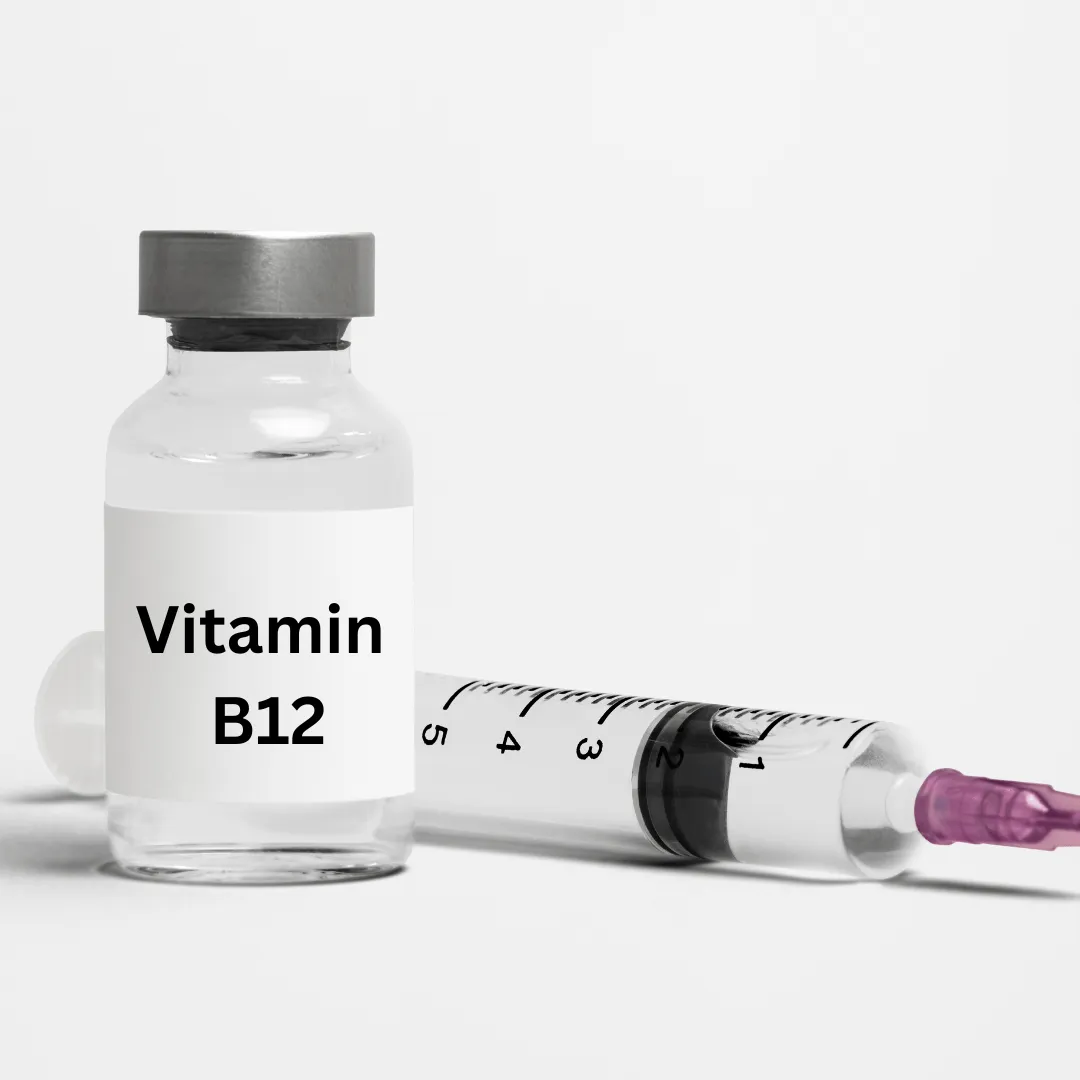
Why Some People Get More Vitamin B12 Reactions to Injection
When patients ask why they’re experiencing reactions, the answer is rarely one single factor. In practical settings, these are common contributors:
Injection technique and site selection
- Improper injection depth or angle can increase soreness.
- Using the same spot repeatedly may raise local irritation.
- Low experience handling injections (including rushed technique) can increase bruising or pain.
Existing allergies or sensitivities
If you have a history of drug allergies, or you’ve had reactions to similar injections, it’s important for the prescribing clinician to know. Serious vitamin b12 reactions to injection may be immune-mediated and require a tailored plan.
Product formulation and excipients
Even when the active ingredient is the same, excipients (like certain stabilizers or preservatives) can differ. This can influence tolerability.
Timing and symptom overlap
People receiving B12 often start therapy while dealing with anemia or neurological symptoms. Some changes you feel may be from the underlying condition improving—or from other issues entirely—so tracking symptoms after each dose is key.
How to Reduce Risk: What Clinicians Often Do
There’s no way to make every reaction impossible, but risk reduction is realistic. Here are evidence-aligned steps that I’ve seen work well in clinics and care plans:
- Confirm the need for injections: ensure B12 deficiency is real and that injection therapy is appropriate for your situation.
- Use correct dosing and schedule: follow the prescriber’s frequency and dose; avoid “doubling up” if a dose is missed.
- Choose the right site and rotate it: this helps minimize repeated local irritation.
- Document reactions dose-by-dose: note when symptoms started, how long they lasted, and whether they were local or systemic.
- Ask about formulation alternatives if reactions recur: a clinician may adjust product type if you suspect intolerance.
- Plan for severe symptoms: if you’ve had prior significant reactions, the care team may implement a safer monitoring approach.
Managing Side Effects at Home (When It’s Appropriate)
For mild injection-site discomfort or short-lived symptoms, home care may be reasonable—but you should still contact a clinician if symptoms are concerning or worsening.
Common home measures for mild local effects
- Cold compress for soreness or swelling (short intervals)
- Gentle movement of the surrounding muscle (avoid heavy exertion immediately after)
- Don’t re-massage aggressively if the area is inflamed
- Track symptom duration (local effects that improve over a couple of days are typically less worrisome)
Important: If you develop hives, swelling of the face/lips, breathing trouble, or rapidly spreading rash, don’t manage this at home—get urgent care.
When to Contact Your Prescriber
Contact your prescriber promptly if:
- Symptoms are moderate or last longer than a few days
- You get recurrent reactions after each dose
- You notice progressively worsening** local redness (possible infection or significant irritation)
- You have any systemic symptoms that are more than mild and temporary
FAQ
How soon can side effects start after a B12 injection?
Local soreness or redness can appear within hours. Mild systemic symptoms may also occur the same day. Severe allergic-type reactions typically start quickly (often within minutes to a few hours). If you’re unsure, err on the side of contacting a clinician, especially if symptoms escalate.
Are injection-site pain and redness normal?
They are among the most common vitamin b12 reactions to injection. Mild discomfort, slight swelling, and tenderness that improves within a couple of days are usually expected. Persistent pain, spreading redness, warmth, pus, or fever suggests you should be evaluated.
Can B12 injections cause serious allergic reactions?
Yes, though they’re uncommon. Seek emergency help for signs like difficulty breathing, facial/throat swelling, widespread hives, or fainting—these can indicate anaphylaxis or a severe hypersensitivity reaction.
Conclusion: What to Do Next
Most people experience either mild injection-site effects or short-lived discomfort, but vitamin b12 reactions to injection can also include serious—rare—reactions like severe allergy or significant skin responses. The practical takeaway is to watch the pattern: mild local symptoms that improve are usually reassuring, while systemic symptoms, rapidly worsening rash, breathing issues, or persistent deterioration should trigger urgent medical evaluation.
Next step: If you’re planning your next dose (or you just had one), start a simple timeline—note the exact time of injection, the symptoms you notice, and how long they last—then share it with your prescriber, especially if reactions repeat or worsen.
Discussion