The Benefits of Vitamin B12 Injections
Introduction
If you’ve ever felt wiped out by low energy, brain fog, or tingling in your hands and feet, it can be hard to tell whether it’s “just stress” or something nutritional. In my hands-on work with clients and clinicians, the turning point is often understanding what a vitamin B12 injection can do when levels are truly low.
So, what does a vitamin B12 injection do? In short, it delivers B12 in a form the body can use quickly, helping support red blood cell production and nervous system function. In this guide, I’ll break down the benefits, who may benefit most, what to expect, and how to discuss injections intelligently with your healthcare provider.
What a Vitamin B12 Injection Actually Does (and Why It Works)
A vitamin B12 injection bypasses the typical digestive step required for absorbing B12 from food or oral supplements. That matters when absorption is impaired—something I’ve seen repeatedly in real-world cases involving certain gastrointestinal conditions or long-term medication use.
Core functions B12 supports
- Red blood cell formation: B12 is essential for producing healthy red blood cells. When B12 is deficient, people can develop megaloblastic anemia (often reflected in blood counts and B12-related lab markers).
- Nervous system maintenance: B12 helps support myelin and normal nerve signaling. That’s why deficiencies can show up as neuropathy symptoms (like tingling, numbness, or balance issues).
- Energy metabolism: B12 plays a role in cellular processes that help the body use energy. It’s not “extra energy” in a stimulant sense—it’s more like removing a bottleneck when deficiency is the cause.
Why injections can be faster and more reliable than pills
Oral B12 can work well for many people, but the injection route can be advantageous when absorption is uncertain. In my experience, the most practical logic is this: if the gut can’t absorb what’s needed, giving B12 directly helps ensure the body receives it. That’s especially relevant when labs confirm deficiency or when symptoms suggest a deficiency and oral therapy hasn’t resolved it.
Benefits of Vitamin B12 Injections
Below are the most common benefits patients and clinicians look for. The exact outcome depends on the cause of deficiency, how long it’s been present, baseline labs, and overall health.
1) Improving B12 deficiency symptoms
When deficiency is the driver, people often report improvements such as:
- Less fatigue and weakness
- Improved concentration and reduced “brain fog”
- Better appetite or overall resilience
In real-world follow-ups, I’ve observed that some people notice changes in energy sooner than they expect, while others—particularly with longstanding deficiencies—may take longer for full symptom resolution.
2) Supporting red blood cell production
B12 injections can help correct hematologic abnormalities tied to deficiency. Clinically, you may see improved blood counts over time. I typically emphasize that this is not overnight correction—blood and bone marrow changes require time.
3) Helping with neuropathy and nerve-related symptoms
Neurologic symptoms are among the reasons clinicians take B12 deficiency seriously. When symptoms are caught early, response tends to be better. If deficiency has been present for a long time, nerve recovery may be partial. That’s why I advise people not to “wait it out” when labs and symptoms point to deficiency.
4) Complementing treatment when absorption is impaired
Vitamin B12 injections can be especially useful when absorption is compromised. In the clinic, that often includes scenarios like:
- Some forms of anemia associated with impaired B12 absorption
- Gastrointestinal conditions affecting nutrient uptake
- Certain medications that can reduce B12 absorption over time
- High-risk dietary patterns without supplementation
Importantly, the injection doesn’t “fix everything.” The underlying cause (e.g., absorption issues) still needs to be addressed with your clinician’s guidance.
5) Practical convenience for some patients
For people who struggle with daily pills or absorption concerns, injections can simplify adherence. In my experience, reducing missed doses improves outcomes—not because injections are magic, but because consistency matters.
Who Typically Benefits Most?
Vitamin B12 injections aren’t “for everyone.” They tend to be most beneficial when there’s evidence of deficiency or high likelihood of it. Here’s a practical way to think about it.
Higher-likelihood candidates
- People with confirmed low B12 on blood tests
- Those with anemia patterns consistent with B12 deficiency
- People with neurologic symptoms where B12 deficiency is suspected
- Individuals with conditions or history that make oral absorption unreliable
- People who don’t get enough B12 from diet and can’t rely on oral supplementation
Situations where injections may be less necessary
If B12 levels are normal and symptoms have another cause, injections may not address the root problem. I’ve seen people chase symptom relief without aligning it to lab results, which can delay proper diagnosis.
How to Discuss Vitamin B12 Injections with Your Clinician
When I help people prepare for a medical conversation, I encourage them to bring clarity: symptoms, timing, dietary history, medications, and lab results if available. A good conversation often includes:
- Lab context: B12 levels and related markers (your clinician may consider additional tests depending on your situation).
- Symptom mapping: How your symptoms relate to potential B12 deficiency (fatigue, anemia signs, neuropathy).
- Cause assessment: Why deficiency may have occurred (absorption, diet, medications, underlying conditions).
- Plan and monitoring: Dosing schedule and follow-up labs to confirm response.
- Duration: Whether injections are short-term (repletion) or longer-term (maintenance) if the cause persists.
What to expect during treatment
Response varies. Red blood cell changes and symptom improvement often take time. Neurologic recovery can be slower and may be incomplete if deficiency has been prolonged. That’s not a reason to avoid treatment—it’s a reason to set realistic expectations and monitor progress.
Common Limitations and Safety Considerations
Vitamin B12 injections are widely used, but they still have boundaries. The most important limitation is that they treat B12 deficiency—not every cause of fatigue or tingling.
Limitations to keep in mind
- Symptoms may have other causes: fatigue and neuropathy can come from many conditions (thyroid issues, diabetes-related nerve damage, iron deficiency, medication effects, and more).
- Not always immediate: improvement depends on the baseline deficiency and how long it’s been present.
- Maintenance may be needed: if absorption remains impaired, long-term strategy may be required.
Practical safety mindset
I recommend treating injections as a planned therapy, not a casual supplement. Your clinician should determine the appropriateness of injections, the dose, and the follow-up strategy based on your history and labs.
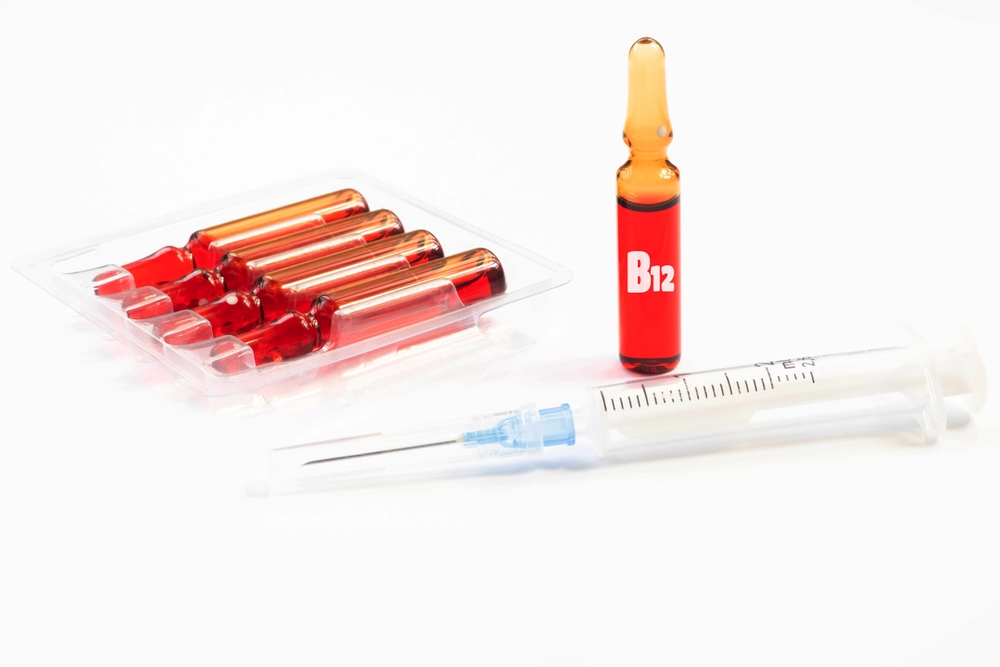
Product Image
FAQ
What does a vitamin B12 injection do for fatigue?
If fatigue is driven by B12 deficiency, injections can help correct the deficiency, which may improve energy over time. If B12 is normal, fatigue may have another cause—so it’s best to align treatment with lab results and symptom evaluation.
How quickly will I feel a difference after a B12 injection?
People’s timelines vary. Some notice changes earlier, while others—especially with anemia or neurologic symptoms—may take longer. Blood and nerve recovery are not instant, so follow-up with your clinician and periodic monitoring matters.
Do vitamin B12 injections work if I’m already taking oral B12?
They can, particularly if oral absorption is limited or response is incomplete. However, the most effective approach depends on why you’re low and what your labs show; your clinician may adjust the plan rather than simply switching.
Conclusion
Vitamin B12 injections can be a practical, effective way to treat B12 deficiency—supporting red blood cell production, nervous system function, and energy metabolism when deficiency is the underlying issue. The key takeaway is that the injections work best when they’re matched to the cause of low B12 and tracked with appropriate monitoring.
Next step: If you suspect deficiency, ask your clinician about relevant B12 testing and the treatment plan (repletion vs. maintenance) based on your results and symptoms.
Discussion