Compounded Cyanocobalamin (Vitamin B12) Injection
If you’re considering injectable b12 shots, you probably want something more than a label—something that explains when they truly help, how clinicians think about dosing, and what you should watch for in real life. I’ve helped patients and care teams troubleshoot B12 injections during gaps in lab access, insurance barriers, and “I feel better but my numbers don’t match” situations. This guide breaks down compounded cyanocobalamin B12 injection in plain, practical terms, with an emphasis on what to monitor, why it matters, and how to talk with your prescriber.
What compounded cyanocobalamin B12 injection is (and what it isn’t)
Cyanocobalamin is a synthetic, injectable form of vitamin B12. A compounded cyanocobalamin B12 injection typically means the dose and formulation are prepared by a compounding pharmacy to match a prescriber’s order (for example, a specific strength per mL and a specific volume in the vial).
In my hands-on experience, the “compounded” part is less about changing the biology of B12 and more about logistics: getting the exact dose format your clinician prescribes, ensuring packaging and concentration align with the administration plan, and maintaining continuity when commercial options don’t fit.
Why cyanocobalamin is used
Cyanocobalamin is widely used because it is stable and predictable for dosing. Once in the body, B12 participates in key processes related to red blood cell formation and neurologic function. For patients with impaired absorption—such as pernicious anemia, certain gastrointestinal conditions, or after some bariatric procedures—injectable B12 can bypass dietary absorption problems.
What it isn’t
- Not a substitute for diagnosing the cause of deficiency.
- Not a vitamin “detox” or quick-fix for unrelated symptoms (fatigue and neuropathy can have many causes).
- Not automatically appropriate for everyone—dose, schedule, and monitoring should be individualized.
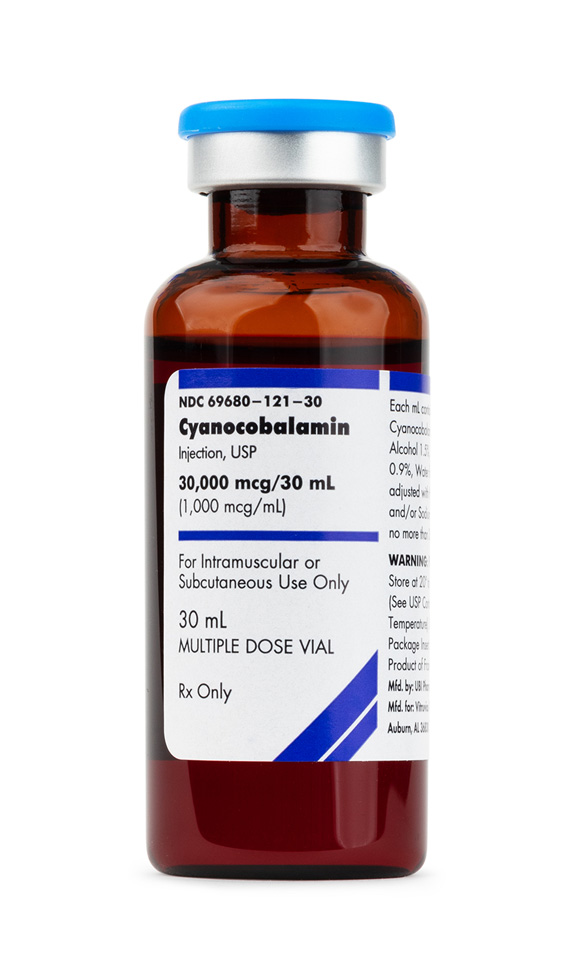
How injectable b12 shots fit into deficiency treatment
The real question isn’t “Do injectable b12 shots work?” It’s “For which deficiency mechanism, at what stage, and with which endpoints?” In clinic workflows, we generally think in terms of three goals: correct the deficiency, prevent neurologic complications, and confirm that the chosen regimen is actually moving the right markers.
Common scenarios where injections are used
- Confirmed B12 deficiency with symptoms or lab evidence.
- Malabsorption where oral replacement may not be reliable (for example, pernicious anemia or post-surgical absorption issues).
- Neurologic symptoms where clinicians often favor faster replacement strategies.
Clinical endpoints: what to monitor
Because responses vary by cause, the best practice is to pair symptoms with objective markers. Often monitored elements include:
- Serum B12 (a straightforward marker, but not the whole story)
- MMA (methylmalonic acid) and/or homocysteine (often more reflective of functional B12 deficiency)
- CBC indices such as hemoglobin and mean corpuscular volume (MCV)
- Symptom tracking (fatigue, balance, tingling/numbness, cognition)
One lesson I learned after coordinating follow-ups for patients who felt “mostly better” early: serum B12 may rise quickly, but functional markers and neurologic recovery can lag. That’s why clinicians often schedule reassessment rather than concluding success after one or two injections.
Typical injection schedules (how clinicians think about timing)
Schedules differ based on severity, diagnosis, and local prescribing habits. Many regimens involve an initial repletion phase followed by maintenance dosing. What matters for decision-making is consistency, proper technique, and follow-up lab interpretation.
In my experience, the schedule becomes much more effective when patients plan for three practical things:
- Adherence (missed doses can delay stabilization)
- Follow-up labs at an interval your prescriber chooses
- Symptom logs to distinguish “tangible improvement” from normal day-to-day fluctuation
Administration and safety: what to get right with injectable b12 shots
Even when the medicine is appropriate, outcomes can be undermined by technique, timing, or overlooked contraindications. I’ll keep this practical: focus on administration basics and safety monitoring rather than myths.
Injection technique and site selection
Injectable B12 is commonly given as an intramuscular (IM) injection. The specific site and needle size should follow your clinician’s instructions and the product labeling. Technique matters because it affects comfort, consistency, and risk of local irritation.
If you’re administering injections at home, I recommend doing a “dry run” of the process with your healthcare team—especially for selecting the site, understanding needle handling, and confirming dose measurement—before relying on memory.
Common side effects and what’s usually “normal”
- Local soreness or mild redness at the injection site
- Transient headache or mild GI upset in some people
Local discomfort is common, but severe reactions are not. If you experience worsening symptoms after each dose, an allergic-type response, or neurologic symptoms that are rapidly progressing, contact your clinician promptly.
When injectable B12 shots might not be the right fit
Injecting B12 isn’t inherently harmful for most people, but it can be the wrong solution if the underlying cause isn’t B12-related, if there’s a need for urgent alternative workup, or if symptoms have a different driver.
Also, if you already have a clear deficiency plan, self-adjusting dose or frequency without guidance can complicate lab interpretation and symptom attribution.
Compounded vs. commercial: what to compare before you commit
Patients often ask whether compounded cyanocobalamin B12 injection is “better.” In practice, “better” depends on whether it meets your prescribing requirements and administration plan.
A practical comparison checklist
| What to compare | Why it matters | What I look for in real workflows |
|---|---|---|
| Strength per mL and total volume | Ensures the measured dose matches the prescriber’s plan | Clear concentration so dose draw-up is consistent |
| Prescriber’s specified schedule | Determines whether you replete and maintain appropriately | Written schedule with follow-up labs |
| Packaging and labeling clarity | Reduces dosing errors | Easy-to-read concentration, lot info, expiration details |
| Administration instructions | Technique and site choice affect comfort and safety | Clear IM vs other route guidance from clinician |
| Monitoring plan | Prevents “treating blindly” | Lab timing and symptom tracking expectations |
In my work, the most successful B12 injection experiences weren’t driven by brand loyalty—they were driven by alignment: the dose matched the prescription, the administration plan was understood, and follow-ups were scheduled early enough to guide adjustments.
FAQ
How soon do injectable b12 shots work for fatigue or tingling?
Improvement timing varies. Some people notice changes in energy sooner than neurologic symptoms, which can take longer. The most reliable approach is to pair symptom tracking with follow-up labs (such as MMA/homocysteine and CBC) as your prescriber recommends.
Do I need to take injectable b12 shots if my B12 level is normal but I feel unwell?
Not automatically. Symptoms like fatigue, numbness, or brain fog can have multiple causes. If labs don’t confirm B12 deficiency, clinicians often investigate other contributors before proceeding with injections.
What should I ask my prescriber before starting compounded cyanocobalamin B12 injection?
Ask about the diagnosis basis, the repletion and maintenance schedule, the specific dose (strength and total mL), injection route/site plan, and which labs will be used to confirm response and guide duration.
Conclusion
Injectable b12 shots can be an effective way to correct cyanocobalamin B12 deficiency—especially when absorption is impaired—but the best outcomes come from the full plan: appropriate diagnosis, a dosing schedule your clinician sets, correct administration, and follow-up labs that reflect functional improvement.
Next step: Ask your prescriber for a written injection and monitoring plan (dose, schedule, injection site/route, and which markers you’ll recheck), then start a simple symptom log so you can interpret real progress versus normal day-to-day variation.
Discussion