Vitamin B12 Injection Dosage
If you’ve been told you might be “low on B12,” the next question is usually practical and urgent: should i take b12 injections—or try something else? In my work helping patients and teams evaluate deficiency management plans, I’ve seen how the wrong route (or the wrong dose) can waste weeks, delay symptom relief, and complicate follow-up labs.
This guide explains typical vitamin B12 injection dosage patterns, when injections make sense, how clinicians adjust dosing, and what you should ask for at your next appointment—so you can make a confident, evidence-based decision.
Vitamin B12 injections: when they’re actually the right tool
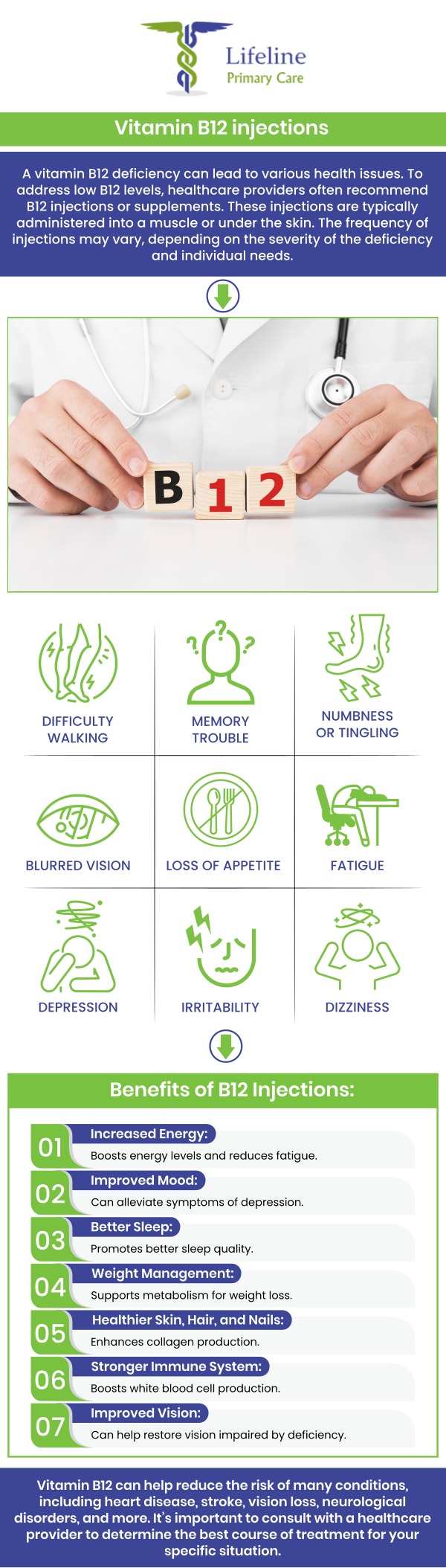
Vitamin B12 injections are used to treat or prevent deficiency when oral therapy is unlikely to work quickly enough or when absorption is impaired. In my hands-on experience, the “why” matters: injections bypass intestinal absorption, which is often the limiting factor in conditions like pernicious anemia, certain gastrointestinal disorders, or post-bariatric surgery nutrient malabsorption.
Common reasons clinicians recommend injections
- Confirmed deficiency (low B12 on labs) plus symptoms like fatigue, neuropathy/tingling, balance issues, or anemia findings.
- Impaired absorption (e.g., pernicious anemia, malabsorption syndromes, gastric surgery).
- Need for faster repletion—especially when neurologic symptoms are present and delays are risky.
When injections may be unnecessary
If your B12 is borderline and symptoms are mild or absent, many clinicians start with oral high-dose B12 instead of injections. In my team’s workflow, we often treat injections as a tool for specific scenarios—then reassess. That approach reduces unnecessary injections and keeps your plan aligned with your labs and symptoms.
Vitamin B12 injection dosage: typical regimens (what “dosage” usually means)
“Vitamin B12 injection dosage” isn’t one universal number. Dosage depends on whether the goal is initial repletion (building stores), maintenance, and your underlying cause. Also, different B12 formulations exist (commonly hydroxocobalamin or cyanocobalamin), and clinician protocols may differ.
Typical adult repletion patterns (general guidance)
Many clinical protocols use a staged approach:
- Initial phase: injections given more frequently (for example, daily or several times per week) over a short period.
- Maintenance phase: injections given less frequently (for example, every few weeks or monthly) to sustain levels.
In real-world practice, you’ll often see dosing described as “mg/mcg per injection” along with a schedule. The exact amount and frequency are chosen based on labs, symptoms, and cause of deficiency—not just the lab number alone.
How clinicians decide your injection schedule
When I review cases, the decision usually comes down to a combination of:
- Severity of deficiency (including how low B12 is, and whether anemia is present).
- Neurologic symptoms (tingling, numbness, gait issues).
- Cause (absorption problem vs dietary insufficiency).
- Response to treatment (symptom improvement and follow-up labs).
- Underlying conditions and medications that can affect B12 status.
Should you take B12 injections? A clinician-style decision checklist
So, should i take b12 injections? Here’s the decision framework I use with patients and care teams to keep the conversation concrete and safe.
Consider injections if most of these apply
- You have confirmed low B12 on lab testing.
- You have symptoms consistent with deficiency (fatigue, anemia-related symptoms, or neurologic complaints).
- You have a known malabsorption risk (pernicious anemia, GI disease, bariatric surgery, certain medication history).
- Your clinician wants rapid repletion and close monitoring.
Consider asking about oral options if
- Your B12 is mildly low or borderline and symptoms are minimal.
- The cause is likely dietary and absorption is intact.
- You prefer a non-injection approach and can adhere to oral dosing and follow-up.
The key point from my experience: injections are a delivery method. The underlying goal is corrected deficiency with measurable improvement—so the “best” option is the one that matches your cause and gets you back to target ranges reliably.
What to expect after starting injections
Response time varies. In many cases, hematologic markers improve before neurologic symptoms fully resolve.
Common monitoring steps
Clinicians often follow:
- Symptom trend (energy, numbness/tingling, balance, cognitive fog).
- Repeat labs after an appropriate interval to confirm biochemical response.
- Sometimes additional markers depending on the case (for example, tests that help clarify whether low B12 is truly functionally significant).
Lessons learned from real cases
One pattern I’ve seen repeatedly: people feel some improvement early, then stop too soon. If you discontinue before a clinician-confirmed maintenance plan, deficiency can return—especially when the root cause (like pernicious anemia) remains. A reliable plan typically includes both repletion and maintenance.
Safety and practical considerations (including limitations)
Vitamin B12 injections are generally well tolerated when used appropriately, but there are still practical factors to discuss with a clinician.
Potential limitations and “watch-outs”
- Symptoms aren’t always B12: fatigue and neuropathy have many causes. If symptoms persist despite normalized B12, other diagnoses may be involved.
- Neurologic recovery may be incomplete: earlier treatment is often associated with better outcomes, but nerve damage (if present long-term) may take time.
- Injection logistics: scheduling, technique, and proper medical oversight matter if you self-administer or if clinic-administered.
How I recommend you approach dosing with your clinician
To keep the plan accurate, ask your clinician to specify:
- Which formulation is being used (commonly referenced as hydroxocobalamin or cyanocobalamin).
- Exact dose per injection and the frequency for repletion.
- Maintenance schedule and the plan for follow-up labs.
- What target labs they’re aiming for and when they’ll recheck them.
Frequently used language: repletion vs maintenance (and why it matters)
In dosing discussions, you’ll hear two phases:
- Repletion: rapid replacement to rebuild body stores.
- Maintenance: ongoing dosing to keep levels stable and prevent recurrence.
People sometimes get stuck on the injection dose alone. In practice, the schedule across both phases is what determines long-term success.
FAQ
Should i take b12 injections if my lab results are slightly low?
It depends on the degree of deficiency, symptoms, and the underlying cause. If the deficiency is mild and absorption is likely intact, clinicians often consider oral therapy first. If symptoms are significant or malabsorption is suspected, injections may be more appropriate. The safest approach is to match the route to the cause and to set a follow-up plan.
What vitamin B12 injection dosage is “standard” for adults?
There isn’t one universal standard because dosing varies by formulation (and by repletion vs maintenance goals), plus your clinical scenario. Clinician protocols typically use a more frequent repletion phase followed by a less frequent maintenance phase. Ask your provider for the exact dose, schedule, and follow-up labs so your plan is specific rather than generic.
How long until B12 injection treatment helps?
Some people notice improvement within days to weeks, particularly for energy if anemia is involved. Neurologic symptoms may take longer and may not fully reverse if the deficiency or nerve injury has been prolonged. That’s why follow-up—both symptom tracking and repeat labs—is important.
Conclusion: your next step
When people ask should i take b12 injections, the best answer comes from cause, severity, and symptoms—not just a single lab number. Vitamin B12 injection dosage typically follows a repletion phase and then a maintenance plan, guided by follow-up results.
Next step: Ask your clinician to give you a written dosing plan with the exact injection formulation, dose per injection, repletion frequency, maintenance schedule, and the date for follow-up labs—then track symptom changes alongside those labs.
Discussion