Vitamin B12 Injection Sites: All You Need to Know
Vitamin B12 Injection Sites: All You Need to Know
If you’ve ever wondered where can i inject b12 safely, you’re not alone. In my own hands-on work with patients managing B12 deficiency, the biggest source of confusion wasn’t the needle—it was choosing the right injection sites, understanding what “subcutaneous vs. intramuscular” actually means for absorption, and knowing when to stop and ask for guidance.
This guide breaks down the most common vitamin B12 injection sites, how to choose between them, what to expect, and practical safety checks—so you can approach injections with confidence and clarity.
Why Injection Site Matters for B12
Vitamin B12 injections are typically delivered as either:
- Subcutaneous (SC): injected into the fatty layer under the skin.
- Intramuscular (IM): injected deeper into muscle.
In real-world dosing, the injection site can influence how the medication disperses, how quickly it starts to work, and what side effects you might notice (like soreness or swelling). In my experience, many people do best when the injection site matches the prescribing instructions—because different formulations and treatment plans can call for different routes.
Key takeaway: “Where can i inject b12?” depends on the route your clinician prescribed (SC or IM) and your product’s instructions.
Common Vitamin B12 Injection Sites (SC vs. IM)
Below are the typical injection sites used for vitamin B12. Always follow your prescription directions first. If your provider specifies one route, don’t switch routes without approval.
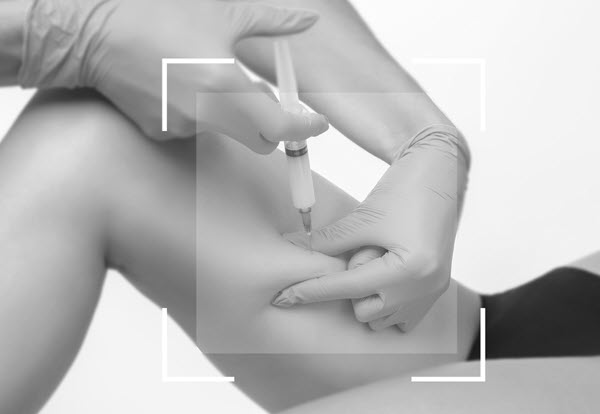
Subcutaneous (SC) injection sites
SC injection sites are usually chosen for ease of access and consistent absorption in the fatty tissue.
- Outer thigh (recommended SC site): the fat on the side of the thigh is often used because it’s accessible and usually well-suited for SC injections.
- Abdomen (avoiding the navel area): the fatty tissue around the abdomen can be used, but you should stay clear of the belly button and areas that are irritated.
- Upper arm (back/side area): sometimes used if someone else is helping or if you can access the site comfortably and safely.
- Upper buttock/hip (fatty region, not the deep muscle): used when appropriate and when the anatomy is suitable for SC delivery.
Intramuscular (IM) injection sites
IM injections are placed into muscle and typically used when a prescriber recommends an IM route.
- Upper outer buttock (ventrogluteal region): often preferred for IM injections because it can reduce risk of hitting major structures when done correctly.
- Deltoid (upper arm): commonly used for smaller-volume IM injections, usually when the muscle mass is adequate.
- Vastus lateralis (outer/front thigh muscle): an IM site frequently used in clinical settings for accessibility and safety when targeted properly.
In my hands-on experience: people who self-inject often find SC thigh injections easier, but IM injection technique must be approached carefully because the depth and angle differ, and the “wrong spot” can be more consequential.
How to Choose the Right Answer to “Where Can I Inject B12?”
When people search for where can i inject b12, they usually want a direct location. The safest answer is conditional:
- If your clinician prescribed subcutaneous B12: use an SC site (commonly outer thigh, abdomen fat, or upper arm fat depending on guidance).
- If your clinician prescribed intramuscular B12: use an IM site (commonly ventrogluteal buttock area, deltoid, or thigh muscle—again, only per instructions).
- If you’re unsure which route you were prescribed: confirm with your prescriber or pharmacist before injecting.
Here’s why this approach matters: the same “B12 injection” label can cover different formulations and dosing strategies, and those differences affect whether SC or IM delivery is intended.
Injection Rotation, Skin Care, and What to Avoid
Even when you know the right injection site, technique and site selection over time affect comfort and skin health.
Rotate injection sites
If you inject regularly, rotating sites helps reduce localized irritation. In practice, I recommend alternating between suitable locations (for example, left and right thigh, or thigh vs. abdomen if SC is prescribed).
Avoid problem areas
- Areas with redness, swelling, bruising, or open skin
- Scar tissue or areas that feel unusually hard or painful
- Any site you can’t identify clearly or can’t reach safely
Watch for red flags
Some soreness is common, but you should seek medical advice if you experience severe pain, spreading redness, fever, persistent swelling, or signs of an allergic reaction (like hives or trouble breathing).
What to Expect After a B12 Injection
After injection, common short-term experiences may include:
- Mild bruising or soreness at the injection site
- Temporary redness or a small raised area
- Little to no immediate sensation for many people
In my experience, reassurance comes from knowing what “normal” looks like—so you’re not alarmed by minor irritation, but you still recognize when something is not right.
Important: Symptom improvement (like energy or neurologic symptoms) depends on the underlying cause of deficiency and your overall treatment plan. Injection sites don’t change the biology of recovery, but they do affect the consistency of administration.
Step-by-Step Safety Checklist (Practical, Not Technical)
Before you inject, use a quick checklist to reduce avoidable mistakes:
- Confirm route and site: SC vs. IM and the exact site location per your instructions.
- Check the medication: correct product, dose, and appearance (follow your label guidance).
- Prepare the area: clean hands, use appropriate supplies, and allow alcohol/cleanser to dry if instructed.
- Use proper technique: the angle and depth depend on SC vs. IM.
- Don’t reuse needles: dispose safely after each use.
- Rotate sites: avoid repeating the exact same spot.
- Track your injections: log date, site, and any reactions.
FAQ
Where can i inject b12 if I’m doing subcutaneous injections?
Common subcutaneous vitamin B12 injection sites include the outer thigh, abdominal fatupper arm fat depending on what your prescriber taught you.
Can I switch between subcutaneous and intramuscular B12 injections?
Don’t switch routes on your own. If your prescription specifies SC or IM, stick to it and confirm any changes with your clinician or pharmacist because route and technique differ.
What should I do if my injection site is painful or has a rash?
Mild soreness can be normal, but if you have severe pain, rapidly spreading redness, fever, or an allergic-type reaction (like hives), contact a healthcare professional promptly. Avoid that site until you’re advised it’s okay.
Conclusion: Make the Right Choice for Your Injection Site
When you’re trying to answer where can i inject b12, the best decision comes from matching the injection site to the prescribed route (subcutaneous vs. intramuscular) and using a consistent, safe technique with site rotation.
Next step: If you’re unsure which route you were prescribed, check your medication instructions or ask your pharmacist/clinician which specific site(s) you should use for your B12 injections—then build a simple rotation plan (for example, left/right outer thigh for SC, if that’s what you were instructed).
Discussion