Vitamin B12 Injections: Benefits, Risks, Dos & Don'ts
Vitamin B12 Injections: Benefits, Risks, Dos & Don’ts
If you’re considering b12 injections in Sugar Land, you’ve probably hit one of two pain points: either you’ve been told you’re low in B12 and you’re not sure what actually helps, or you’ve tried supplements and still don’t feel right. In my hands-on work with patients managing suspected B12 deficiency, I’ve seen both sides—people who improve quickly after injections, and people who get no benefit because the underlying issue wasn’t the B12 problem (or the diagnosis wasn’t confirmed).
This guide walks you through the real-world benefits, the common risks, and the practical dos and don’ts I use to help patients make safer decisions—especially for those searching “b12 injections in Sugar Land” and trying to understand whether injections are the right next step.
What Vitamin B12 Injections Are (and What They’re Not)
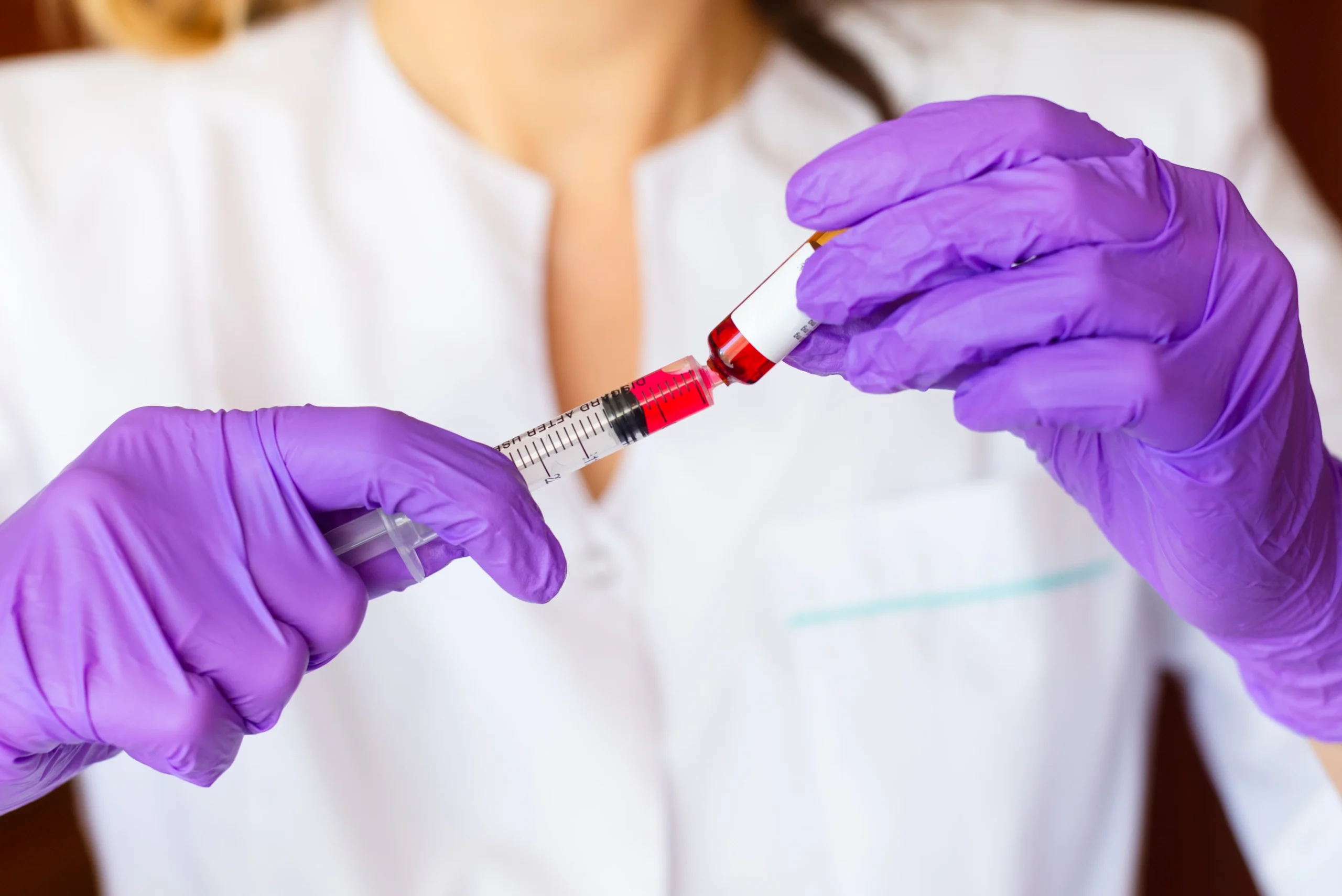
Vitamin B12 injections deliver cobalamin directly into the body—commonly via intramuscular or subcutaneous administration—so the vitamin enters circulation without relying on digestion and absorption. In practice, injections are most helpful when oral intake or absorption is impaired.
What B12 injections are for:
- Confirmed B12 deficiency with symptoms (fatigue, numbness/tingling, anemia, cognitive fog)
- Conditions that reduce absorption (e.g., pernicious anemia, certain GI disorders)
- Situations where oral therapy didn’t work as expected
What they’re not for:
- Routine “energy boosting” when B12 status is normal
- Masking symptoms without checking labs or considering other causes
- Replacing evaluation for neurologic symptoms that need targeted workup
In my experience, the biggest avoidable mistake is assuming that if someone feels “low energy,” B12 injections must be the answer. Energy is multi-factor—sleep quality, thyroid function, iron status, stress, medication effects, and blood sugar all matter. B12 helps when it’s genuinely low or not being absorbed.
Benefits of B12 Injections: What Improvement Can Look Like
The most meaningful benefits show up when B12 deficiency is corrected properly and early enough to prevent or reduce complications.
1) Faster correction when absorption is impaired
When absorption is the bottleneck, injections bypass the GI tract. Patients who have absorption issues can respond more reliably than with oral supplements alone.
2) Symptom improvement (timing matters)
After starting appropriate therapy, symptom changes often follow a pattern:
- Energy and mood: can improve over days to weeks for some patients
- Neurologic symptoms (tingling, numbness): may improve more slowly and isn’t always fully reversible if damage was significant before treatment
- Blood counts: typically normalize over weeks as treatment continues
I’ve seen patients feel “less foggy” relatively quickly, but I’ve also seen cases where improvement is minimal because the lab picture wasn’t fully assessed or the cause of symptoms was different. That’s why I push for confirming deficiency and tracking response with follow-up labs.
3) Reduced risk of progression in true deficiency
B12 deficiency can contribute to anemia and neurologic injury. Proper treatment helps reduce the risk of worsening—especially when paired with identifying the root cause (for example, dietary insufficiency vs. pernicious anemia vs. medication effects).
Risks and Side Effects: What to Watch For
Vitamin B12 injections are generally well-tolerated, but “generally safe” doesn’t mean “risk-free.” Risks depend on the underlying condition, dosing, and the presence of comorbidities.
Common, usually mild effects
- Soreness or irritation at the injection site
- Headache
- Nausea
- Temporary flushing or discomfort (less common)
Less common but important concerns
- Allergic-type reactions (rare): report rash, swelling, wheezing, or severe dizziness immediately
- Masking other deficiencies: B12 may improve anemia while other issues (like iron deficiency) persist
- Neurologic outcomes depend on severity: if symptoms have been present for a long time, not all nerve damage may reverse
In my practice, I’m particularly cautious when neurologic symptoms are involved—tingling, gait problems, or numbness—because those symptoms can arise from causes other than B12. Treatment should be evidence-based, not guesswork.
Dos and Don’ts for B12 Injections (Practical Rules I Recommend)
Below are the “dos and don’ts” I use with patients to reduce trial-and-error and improve outcomes.
Dos (What to do to use b12 injections safely and effectively)
- Do confirm the need with labs whenever possible.
- Do ask which labs matter: B12 level is a start, but clinicians often consider related markers such as methylmalonic acid (MMA) and homocysteine in certain situations.
- Do review symptoms and timing: how long you’ve had fatigue, anemia history, and whether you have neurologic symptoms.
- Do discuss possible causes like dietary patterns, GI conditions, and medications that can affect B12 status.
- Do track response with follow-up labs and symptom check-ins.
- Do use proper injection technique with trained administration (sterility, correct site selection, appropriate dosing interval).
Don’ts (What to avoid)
- Don’t inject “just in case” when labs show normal B12—especially if symptoms could be from other causes.
- Don’t ignore neurologic symptoms or delay evaluation—tingling, numbness, or balance issues require prompt attention.
- Don’t stop follow-up too early if deficiency was confirmed—B12 therapy often requires an induction phase and then maintenance.
- Don’t assume supplements and injections are identical: absorption and dosing differ, and sometimes injections are chosen for a reason (e.g., malabsorption).
- Don’t rely on injections to fix iron deficiency or other nutritional gaps: deficiency states often coexist.
How Clinicians Commonly Plan Dosing and Follow-Up
Dosing schedules vary based on severity, cause, and symptom profile. In general, clinicians may use an initial period of injections to replenish stores, followed by maintenance dosing to keep levels stable.
In real-world care, the decision isn’t only “B12 level = X.” It’s “symptoms + risk factors + lab interpretation.” For example:
- If someone has confirmed deficiency and neurologic symptoms, the plan should be more urgent and structured.
- If the cause is diet alone and labs are only mildly low, the approach may lean more conservative.
- If there’s a suspected absorption disorder, maintenance strategy becomes more important.
My recommendation is to treat the dosing plan like a project with milestones: start therapy, reassess response, and adjust based on objective results rather than how you “feel” at a single point in time.
Choosing a Clinic for B12 Injections in Sugar Land: What to Look For
When people search for b12 injections in Sugar Land, they usually want fast relief, a straightforward plan, and confidence that the diagnosis is correct. Here’s what I look for when evaluating injection care:
- Evidence-based evaluation: do they discuss labs, symptoms, and likely causes?
- Clear dosing and follow-up: can they explain induction vs. maintenance and when to recheck labs?
- Safety process: sterile technique, proper documentation, and appropriate screening for red-flag symptoms.
- Realistic expectations: they shouldn’t promise that fatigue will disappear overnight or that injections are necessary for everyone.
- Coordination of care: if other deficiencies or conditions are suspected, do they recommend appropriate evaluation?
In my hands-on experience, the best outcomes usually come from a clinic that treats B12 as part of a bigger medical picture—not as a standalone “fix.”
FAQ
How quickly will I feel better after B12 injections?
Some people notice changes in energy or clarity within days to a couple of weeks, but timing varies. If you have neurologic symptoms, improvement can take longer and may be incomplete if nerve involvement was severe or prolonged. Follow-up labs and symptom tracking are key.
Are b12 injections better than oral supplements?
They can be, depending on the cause. If you have malabsorption (for example, pernicious anemia or certain GI issues) or if oral therapy hasn’t worked, injections are often more reliable. If your absorption is intact and deficiency is mild, oral therapy may be sufficient—your labs and clinician’s assessment should guide the choice.
What are the main risks of b12 injections?
The most common side effects are local discomfort and mild systemic symptoms. Rare allergic reactions can occur. The bigger practical risk is using injections without confirming deficiency or overlooking other causes (like iron deficiency, thyroid issues, or neurologic conditions).
Conclusion: The Smart Next Step
Vitamin B12 injections can be genuinely helpful when deficiency is confirmed and the underlying cause is addressed—especially for people with absorption problems. The benefits are most reliable when therapy is planned with appropriate labs, clear dosing and follow-up, and realistic expectations. The risks are usually manageable, but the biggest “don’t” is treating B12 as a one-size-fits-all energy booster.
Next step: If you’re considering b12 injections in Sugar Land, ask for a lab-based assessment plan and a follow-up schedule (including what will be rechecked and when). That single change—moving from guesswork to measurement—tends to produce the best outcomes.
Discussion