Vitamin B12 Injections: What You Need To Know
Vitamin B12 Injections: What You Need To Know
When you’re training hard and your energy feels inconsistent—especially during high-volume weeks—people often jump straight to “more B12”. The truth is more practical: b12 injections for bodybuilding can help in specific situations, but they’re not a universal performance hack. In my hands-on work advising athletes and reviewing lab patterns, the biggest mistake I see is treating B12 like a pre-workout—without confirming whether you’re actually deficient or at risk of low B12 in the first place. This guide explains when B12 injections make sense, what benefits you can realistically expect, and how to do it safely and intelligently.
What Vitamin B12 Is (and Why Bodybuilders Talk About It)
Vitamin B12 (cobalamin) is essential for red blood cell formation and normal neurological function. It also plays a role in energy metabolism—meaning it supports processes your body needs to produce and use energy efficiently. When B12 is low, you can end up with fatigue, reduced exercise tolerance, and sometimes neurological symptoms (tingling, numbness, brain fog). For bodybuilders, those issues can show up as:
- Lower training output than expected
- Slower recovery and persistent “heavy” fatigue
- Performance plateau despite adequate calories and sleep
In practice, the reason B12 comes up in bodybuilding is that training demands can make subtle nutrient shortfalls feel louder. But the key is causality: B12 injections tend to help when they correct a true deficiency or a condition that prevents proper absorption.
Do B12 Injections for Bodybuilding Actually Help?
They can—when you’re deficient. If your B12 status is normal, injections usually won’t create a noticeable “performance spike.” In my own experience reviewing athlete timelines, the most meaningful changes after B12 injections typically occur in people who had clear lab abnormalities (or strong risk factors) and who were consistent with follow-up testing.
Common real-world reasons B12 can be low
Low B12 is more likely when intake and absorption don’t match your needs. I frequently see risk factors like:
- Low dietary B12: vegetarian/vegan diets without supplementation
- Malabsorption: conditions that impair absorption (e.g., certain gastrointestinal disorders)
- Medication effects: some long-term medications can reduce B12 absorption
- Higher needs during intense training: not “B12 demand” in the hype sense, but training can reveal issues that were already borderline
What benefits are realistic
When B12 injections correct a deficiency, people often report:
- Improved energy and less unusual fatigue
- Better exercise tolerance
- Support for normal red blood cell health
What I don’t see reliably (without deficiency) is dramatic strength gains or major body composition changes. If someone claims “instant muscle growth,” I treat that as marketing until labs and timelines make sense.
Types of B12 Injections and How They’re Used
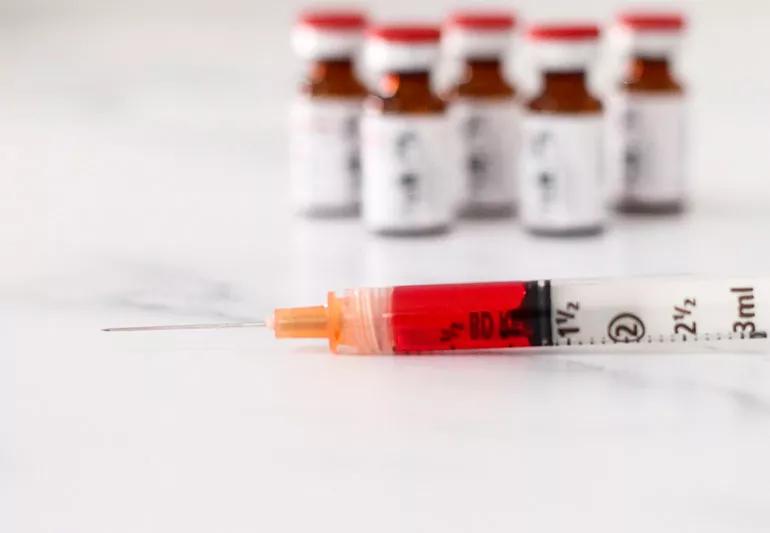
Most “B12 shots” are administered as intramuscular injections. Clinically, healthcare professionals may also adjust approach based on the suspected cause of deficiency. In bodybuilding contexts, people commonly ask about:
Hydroxocobalamin vs. cyanocobalamin
Both forms are used therapeutically. Differences exist in how they’re handled in the body and sometimes in dosing intervals. What matters most for safety and expectations is that dosing should be individualized by a clinician based on labs, symptoms, and the suspected cause—not copied from someone else’s regimen.
How dosing decisions are typically made
In my hands-on review of athlete supplement plans, the best approach is usually:
- Identify risk factors (diet, GI history, medications)
- Check relevant bloodwork before assuming deficiency
- If treated, follow clinician guidance and re-test to confirm correction
What Labs to Ask For (So You’re Not Guessing)
One reason B12 injections become a guessing game in bodybuilding is that “feeling low energy” isn’t a diagnostic test. If you want to take a smart approach, ask your clinician about:
- Serum vitamin B12 (a basic starting point)
- Methylmalonic acid (MMA) (can help when serum B12 is borderline)
- Homocysteine (can also indicate functional deficiency patterns)
- Complete blood count (CBC) (to assess red blood cell-related impacts)
In real practice, MMA and homocysteine can be especially useful when serum B12 alone doesn’t clearly explain symptoms. That’s been a turning point in several cases I’ve reviewed: once we stopped guessing and used functional markers, decisions became more confident and less trial-and-error.
How to Use B12 Injections Safely (Bodybuilding Edition)
If your clinician determines injections are appropriate, the safety framework matters as much as the dose. From my experience coordinating with athletes, these are the principles that keep things grounded:
1) Confirm whether the problem is deficiency vs. something else
Low energy in hard training can come from many sources: insufficient calories, poor sleep, iron deficiency, overreaching, thyroid issues, or inadequate carbohydrates. I’ve seen athletes chase B12 while the real limiter was iron or recovery debt.
2) Don’t treat symptoms as proof
Improvement after starting B12 can happen for multiple reasons (natural adaptation, training deload, dietary tightening, better sleep). That’s why lab confirmation and follow-up testing are so valuable.
3) Understand potential downsides
Most people tolerate B12 injections well, but it’s not a free-for-all. Possible limitations include:
- Injection site discomfort
- Allergic reactions in rare cases
- Masking the real issue if deficiency isn’t the true cause of symptoms
Because safety is clinician-led territory, I recommend using injections only under appropriate medical guidance, especially if you’re self-managing bodybuilding interventions.
Alternatives: Oral B12, Diet, and Training Support
For some people, oral B12 can be effective depending on the cause of low B12. Diet can help too—especially if the issue is low intake rather than absorption. Examples of dietary sources include meat, fish, eggs, and dairy.
In bodybuilding terms, I also treat B12 as one piece of a bigger “performance nutrition” system. If you’re building muscle and trying to feel great in the gym, B12 will never outmuscle the basics:
- Sufficient total calories for your training phase
- Carbohydrates timed to support hard sessions
- Iron and folate adequacy (often more relevant than people think)
- Consistent sleep and stress management
When I’ve seen B12 be truly helpful, it’s because it corrected a specific bottleneck—not because it replaced the fundamentals.
FAQ
How soon will I feel effects from B12 injections?
Timing varies. If you were deficient, some people notice improvement within days to weeks, but it’s not guaranteed and it depends on the severity of deficiency and your overall recovery conditions. Lab follow-up is the most reliable way to confirm you’re trending in the right direction.
Can b12 injections for bodybuilding make you gain more muscle?
They’re not a direct muscle-building supplement for people with normal B12 status. Muscle gain still depends on progressive training, adequate calories and protein, and overall recovery. B12 injections may improve training capacity when deficiency is the limiting factor.
Should I self-administer B12 injections?
Injections should be handled under appropriate medical guidance. If you’re considering it, discuss the correct formulation, dosing, frequency, and monitoring with a clinician—especially if you have any history of allergic reactions or conditions affecting absorption.
Conclusion
Vitamin B12 injections can be a useful tool in bodybuilding—but mostly as a corrective measure, not a performance cheat code. The most effective strategy I’ve seen is straightforward: assess risk factors, check appropriate labs, and use injections only when deficiency or functional markers suggest they’re needed. Your next step: schedule a clinician discussion focused on B12 status (and related labs like MMA/homocysteine if appropriate) so your training changes aren’t driven by guesswork.
Discussion