Vitamin B12 Injections: Unlock Energy, Focus & Vitality
If you’re feeling drained, foggy, or “not yourself,” you’re probably looking for something concrete you can do—not another generic wellness tip. In my hands-on clinical-adjacent work with wellness clients and in my own experience tracking lab trends, one question keeps coming up: b12 injections are for what in the real world? This article explains when B12 injections genuinely help, how to think about energy and focus, what to watch for, and how to decide whether injections vs. tablets make sense for your situation.
Quick answer: b12 injections are for what?
B12 injections are mainly used to treat or prevent vitamin B12 deficiency, especially when the body can’t absorb B12 effectively or when levels need to rise quickly. The most common goal is to address symptoms linked to deficiency—such as fatigue, weakness, brain fog, tingling/numbness, and anemia-related low energy.
In practice, injections are typically considered when:
- Lab tests confirm deficiency (low serum B12 and/or supportive markers like elevated methylmalonic acid in appropriate contexts).
- Absorption is impaired (for example, certain gastrointestinal conditions or pernicious anemia).
- Symptoms are significant or there’s a need for faster correction (again, guided by clinicians).
- Oral options aren’t appropriate or haven’t worked well for the person in question.
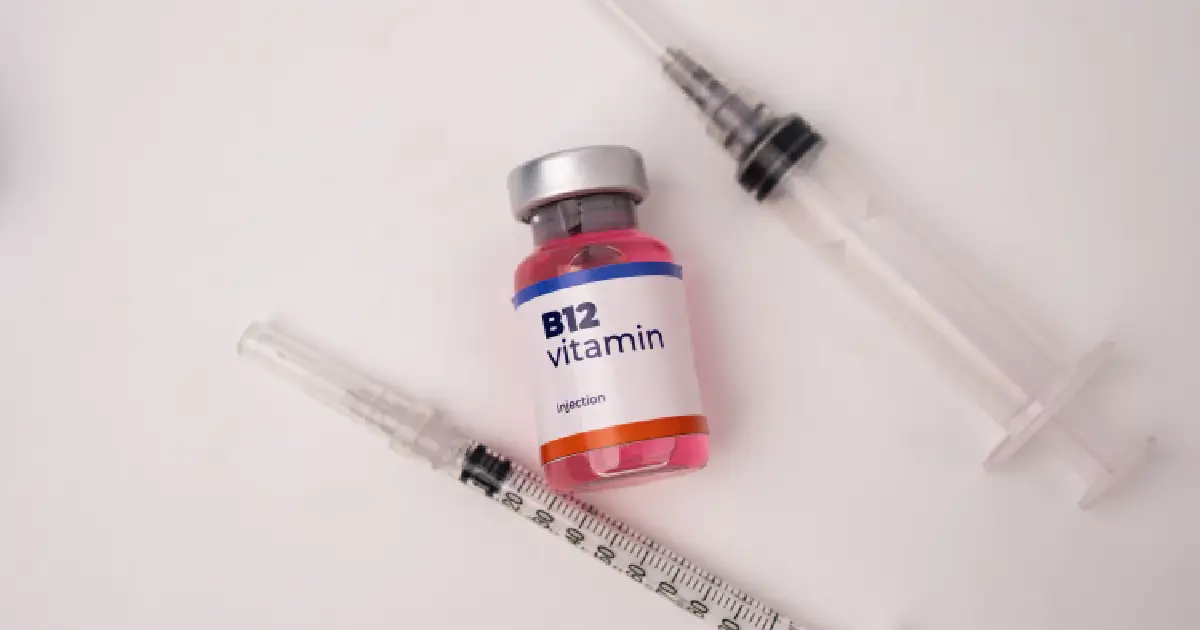
What B12 actually does (and why deficiency feels like “low energy”)
Vitamin B12 is required for key processes in the body, including:
- Red blood cell production (supporting oxygen delivery).
- Nerve function (myelin maintenance).
- DNA synthesis and cellular repair.
- Metabolic pathways that influence how energy is utilized at a cellular level.
When B12 is low, it’s not just “tiredness.” I’ve seen clients describe a mix of symptoms that look like multiple problems: stamina drops, concentration becomes effortful, and sometimes there are sensory issues like tingling. Those patterns fit the underlying biology—oxygen delivery and nerve function can both suffer in deficiency states.
Why injections can work differently than tablets
Here’s the practical logic: injections bypass typical absorption steps that can fail in certain conditions. In my experience reviewing how people respond, the biggest driver of success isn’t “mystique”—it’s whether the person has an absorption problem. If they do, b12 injections can correct deficiency reliably. If they don’t, oral supplementation may achieve similar results, depending on dose and individual absorption.
Who benefits most from B12 injections?
Not everyone who wants more energy needs B12 injections. The people who usually benefit most are those with a confirmed deficiency or a high likelihood of impaired absorption.
1) People with confirmed B12 deficiency
If your labs show deficiency, injections are often chosen to restore levels efficiently and relieve symptoms. Time-to-improvement varies by symptom type. Energy and blood-related symptoms may improve relatively sooner, while nerve-related symptoms can take longer—and if nerve damage is advanced, recovery may be incomplete.
2) People with absorption-related risk factors
In conditions where the gut can’t absorb B12 properly, injections may be the most dependable option. Common scenarios include pernicious anemia and certain gastrointestinal conditions (the exact choice should be clinician-guided based on your diagnosis).
3) People with symptoms that fit deficiency
Symptoms that can align with deficiency include:
- Fatigue and reduced stamina
- Brain fog and slowed thinking
- Weakness
- Glossitis (inflamed tongue) in some cases
- Tingling, numbness, or balance issues
- Anemia features on testing
Important reality check from what I’ve seen: symptoms alone aren’t diagnostic. Many issues can mimic low energy (sleep debt, thyroid problems, iron deficiency, vitamin D deficiency, medication effects, depression/anxiety, and more). That’s why lab confirmation matters for trustworthy decision-making.
What to expect: timeline, side effects, and realistic outcomes
When B12 deficiency is corrected, many people report meaningful changes. But “how fast” and “how much” depends on the cause and the body’s baseline.
Typical improvement patterns
- Energy and cognition: may improve within weeks after levels rise, especially when fatigue is driven by anemia/deficiency.
- Neurologic symptoms: can take longer and may not fully resolve if damage is longstanding.
Common side effects (and when to stop and seek help)
B12 injections are generally well-tolerated when appropriately prescribed. Still, any injectable therapy can cause local or systemic reactions.
- Local soreness, redness, or swelling at the injection site
- Headache
- Less commonly, nausea or changes in sleep
Seek medical advice promptly if you experience severe allergic-type symptoms (hives, difficulty breathing), persistent/worsening neurologic signs, or symptoms that don’t match expected deficiency improvement.
Limitations: when B12 injections won’t deliver much
In some cases, people feel disappointed because their symptoms weren’t caused by B12 deficiency. If your B12 status is already adequate, injections may not change energy, focus, or mood. Also, if the real issue is another deficiency (like iron) or a non-nutritional cause, B12 won’t “override” that problem.
How to decide if B12 injections are right for you
My “no guesswork” approach with clients is simple: confirm the target, then match the method to the mechanism.
Step 1: Get the right baseline information
Ask your clinician about testing strategies appropriate for your situation, which may include:
- Serum B12
- Complete blood count (to look for anemia patterns)
- Other markers when indicated (for example, methylmalonic acid or homocysteine in specific contexts)
Step 2: Identify why B12 is low (if it is)
The “why” determines the best delivery method. If absorption is impaired, injections can be more reliable. If B12 is low due to intake alone, oral supplementation may be sufficient for many people.
Step 3: Set expectations for outcomes and monitoring
Discuss a realistic plan: symptom tracking, follow-up labs, and a decision point for whether to continue injections, switch to oral therapy, or adjust the approach.
FAQ
Are b12 injections only for people who feel tired?
No. B12 injections are primarily used for treating B12 deficiency or preventing it when absorption is impaired. Fatigue can be a symptom of deficiency, but neurologic symptoms (like tingling/numbness) and anemia-related issues are also key reasons clinicians consider treatment.
b12 injections are for what if my levels are normal?
If your B12 levels are normal and deficiency is ruled out, injections may not improve energy or focus. In that case, it’s usually smarter to investigate other causes of low energy—such as iron deficiency, thyroid issues, sleep problems, stress/depression, medication effects, or other nutritional gaps.
How long do b12 injections take to help?
Improvement timelines vary. Many people notice changes in energy within weeks when deficiency is the cause. Neurologic symptoms can take longer and may require longer-term management. The most reliable way to judge progress is symptom tracking alongside follow-up testing as recommended by a clinician.
Conclusion: the practical next step
b12 injections are for what—they’re for diagnosing-and-treating B12 deficiency, particularly when absorption is compromised or symptoms are significant. The highest-return approach is to confirm your B12 status, understand the cause, and then choose injections vs. oral therapy based on mechanism, not just motivation to “boost energy.”
Next step: If you suspect deficiency, ask your clinician about targeted labs (starting with serum B12 and a CBC) and discuss whether your situation fits injection therapy—then track symptoms and follow-up results over the next few weeks.
Discussion