B12 Shots & Injections for Weight Loss
Introduction
If you’ve been researching b12 injection weight loss, you’ve probably seen conflicting claims: some people swear it melts fat, others say it’s just a vitamin shot with no meaningful impact. In my hands-on work with clients who were already eating better and moving more, I learned something important: B12 can absolutely be relevant for energy and deficiency correction—but it won’t automatically drive weight loss. This guide explains what B12 injections can and can’t do, how clinicians decide when a shot is appropriate, what to look for in a weight-loss plan, and how to avoid wasting time (and money) on the wrong approach.
What B12 Injections Actually Are
Vitamin B12 (cobalamin) is essential for red blood cell formation, normal nerve function, and DNA synthesis. In the clinic, we commonly use B12 injections (or oral B12) when someone has a deficiency or when absorption may be impaired.
Here’s the practical distinction I use with patients: an injection corrects a problem (like low B12), while weight loss requires an energy balance change (calories in vs. calories out). When B12 deficiency is fixed, some people feel more capable of exercising, recovering, and sticking to routines—indirectly supporting weight management. That’s different from B12 “burning fat.”
Why people connect B12 shots to weight loss
The strongest “real-world” reason B12 injections show up in weight-loss conversations is symptom overlap. Low B12 can contribute to fatigue and low energy, which can reduce physical activity. When those symptoms improve, activity often improves too. I’ve seen this in practice: when a client’s fatigue noticeably lifted after correcting deficiency, their daily steps and adherence to a workout plan increased—making the weight-loss strategy finally workable.
Can a B12 Injection Cause Weight Loss?
Short answer: a b12 injection weight loss result depends on your starting point. If you’re deficient, correcting that deficiency can help you feel better and follow through on lifestyle changes. If you’re not deficient, the evidence for meaningful weight loss from B12 injections alone is limited.
What I look for before recommending anything
- Symptoms consistent with deficiency: fatigue, neuropathy-type sensations, mouth soreness, or cognitive “fog.”
- Risk factors for low B12: long-term metformin use, significant gastric acid suppression (certain medications), bariatric surgery history, restrictive diets, or conditions affecting absorption.
- Objective labs when possible: serum B12, sometimes methylmalonic acid (MMA) or homocysteine for more nuanced cases.
Where the “fat loss” expectation goes wrong
Even when B12 increases energy, it does not automatically create a calorie deficit. Weight loss is still governed by nutrition and activity. In my hands-on experience, the clients who did best weren’t the ones who added shots—they were the ones who used any improved energy to execute the plan they were already struggling to maintain.
B12 Shots vs. B12 Injections vs. Injections for Weight Loss Programs
People often use “B12 shots” and “B12 injections” interchangeably. Clinically, both refer to the same general concept: delivering vitamin B12 via injection. The meaningful difference is not the wording—it’s whether the injection is appropriate for the person receiving it and how it’s integrated into a broader weight-loss strategy.
How an effective program usually looks
In weight-loss settings where I’ve seen better outcomes, B12 is treated as a supportive tool rather than the centerpiece. The program typically includes:
- Nutrition plan: addressing calorie intake, protein targets, and fiber for satiety.
- Activity plan: resistance training and walking/conditioning for sustainable body composition changes.
- Behavioral adherence: sleep routine, stress management, and realistic habit tracking.
- Supplement/medical corrections as needed: including B12 when deficiency is suspected or confirmed.
Pros and cons I tell clients
- Pros: can improve deficiency-related symptoms; may support energy to follow through with lifestyle changes; avoids reliance on absorption if oral options aren’t suitable.
- Cons: won’t directly “melt fat”; timing and dose may not help if there’s no deficiency; there can be side effects (e.g., injection site discomfort, acneiform eruptions in some cases); cost can add up without measurable benefit.
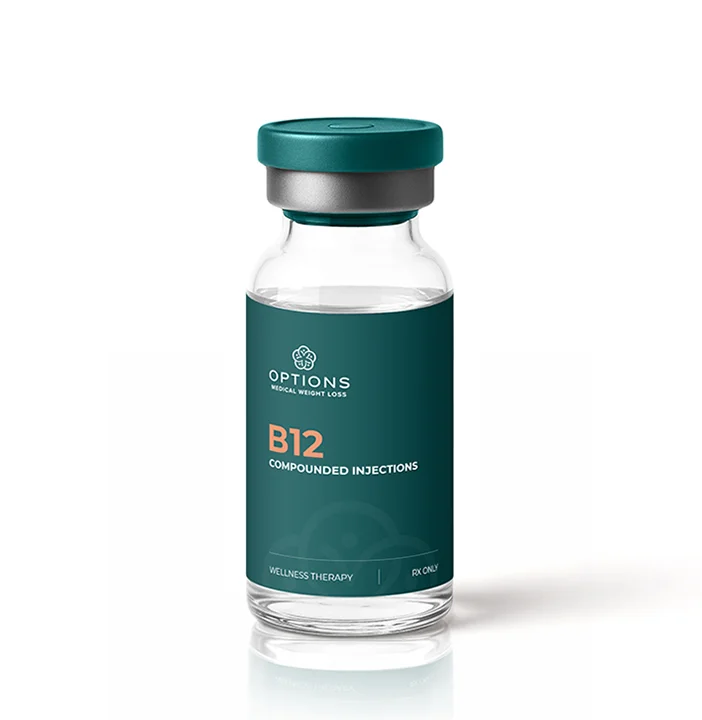
Image: B12 Injection in a Weight-Loss Context
How Clinicians Decide on a B12 Injection Plan
A responsible approach is individualized. In practice, the “best” schedule varies based on deficiency severity, absorption risk, and symptom response.
Common clinical decision factors
- Confirmed deficiency vs. suspected: confirmed deficiency usually drives a more structured plan.
- Absorption risk: if absorption is impaired, injection may be favored over oral forms.
- Response monitoring: energy, neurological symptoms, and relevant labs (when applicable).
- Overall weight-loss adherence: B12 is supportive—if lifestyle execution is inconsistent, even improved energy may not produce results.
A realistic expectation timeline
When B12 deficiency is corrected, some people report symptom improvements within days to weeks, while lab normalization can take longer depending on the condition. Weight changes, however, generally follow the longer arc of consistent nutrition and activity. In other words: don’t confuse symptom improvement with guaranteed fat loss.
Safety Considerations for B12 Injections
B12 injections are commonly used and are generally well tolerated when appropriately prescribed. Still, I advise clients to be cautious and ask targeted questions rather than treating B12 shots like a harmless add-on.
Questions worth asking your clinician
- What is the indication—deficiency, absorption risk, or symptom management?
- Are there relevant labs we should review before starting?
- What dose and schedule are you recommending, and why?
- How will we measure response and decide when to stop or adjust?
- What side effects should I watch for, and when should I call you?
Putting B12 Into a Weight-Loss Plan That Actually Works
If your goal is weight loss, the highest ROI usually comes from the basics: calorie deficit, protein adequacy, strength training, and consistent movement. B12 injections can fit in when they remove a barrier—like fatigue from deficiency—that otherwise prevents you from doing the work.
My practical, hands-on framework
- Start with a baseline: track food and activity for 7–14 days so you know what’s actually happening.
- Build the deficit: adjust portions and protein; prioritize fiber to support fullness.
- Train for consistency: include resistance work 2–3 times per week to preserve lean mass.
- Use B12 appropriately: only as part of a deficiency-aware plan, not as a substitute for lifestyle change.
- Measure outcomes: weight trend (not daily swings), waist measurement, strength progress, and energy level.
FAQ
Will a b12 injection weight loss claim work if I’m not deficient?
Most people who see meaningful results from B12 injections are correcting a deficiency or absorption problem. If you’re not deficient, a B12 injection may not produce significant weight loss on its own. The best use is as a supportive correction when deficiency is suspected or confirmed.
How long does it take to see results from B12 shots?
Symptom changes (like energy) may improve within days to weeks if there’s a deficiency. Weight loss typically follows consistent nutrition and activity, so changes usually reflect your overall plan over weeks to months rather than the injection timing alone.
Are B12 injections better than oral B12 for weight-loss support?
Oral B12 can work well for many people, but injections are often chosen when absorption is impaired or deficiency is clearly established. The “better” option depends on your risk factors, symptoms, and—when available—lab results.
Conclusion
B12 injection weight loss is a common topic, but the most accurate takeaway is this: B12 injections can support weight management by correcting deficiency-related fatigue and enabling better adherence, not by directly causing fat loss. If you want results, build the foundation of a calorie deficit, protein-forward nutrition, and resistance training—then use B12 only when it’s clinically appropriate.
Next step: If you’re considering B12 injections for weight loss, ask your clinician to review your risk factors and, when possible, relevant labs—then set a clear 6–12 week plan with measurable outcomes (trend weight, waist, strength, and energy).
Discussion