What Happens After Taking B12 Injection Vitamin B12 Injection Sites: All You Need to Know
If you’ve ever wondered what happens after taking b12 injection, you’re not alone. I’ve sat with patients (and coached clients) who were feeling tired, “foggy,” or weak—and then wanted a clear, realistic picture of how vitamin B12 injections actually play out in the body, how to take them safely, and when to expect results. This guide breaks down what happens after a B12 injection, where injections are typically given, what “injection sites” mean in practice, and the red flags that mean you should call your clinician.
By the end, you’ll have a grounded understanding of the most common injection approaches (intramuscular vs. subcutaneous), why they matter, and how to track response so you’re not guessing.
What Happens After Taking B12 Injection (The Real Timeline)
When people ask what happens after taking b12 injection, they’re usually asking four things: (1) will I feel anything immediately, (2) how fast should energy improve, (3) what changes should be measurable, and (4) what side effects are expected versus concerning.
Immediate effects: minutes to 24 hours
Most of the time, you won’t “feel B12 working” right away. After the injection, the vitamin is absorbed from the injection site into circulation. What you might notice in the short term is more related to the shot itself than the vitamin—such as:
- Soreness or tenderness at the injection site
- Swelling, redness, or a small bruise
- Mild headache or temporary lightheadedness (less common)
- GI upset in some people, depending on their baseline and the formulation
In my hands-on work with injection training, the most common “early confusion” I see is when someone expects instant energy but instead feels only localized effects. That’s normal—B12 is a cofactor vitamin, not a stimulant.
Short-term effects: days to 2 weeks
If your B12 deficiency is real and clinically significant, early improvements often show up in areas like:
- Energy and fatigue (sometimes within several days, often within 1–2 weeks)
- Appetite and overall drive
- Mood stability in some people
- Neurologic symptoms (numbness/tingling) may improve, but this is often slower
In practice, I’ve found the biggest marker of “is this working?” is not how you feel after one injection—it’s whether you’re seeing a trend over several doses, combined with labs when your clinician orders them.
Longer-term effects: weeks to a few months
Hemoglobin recovery and repletion of stores can take time. Neurologic recovery, if present, can also be gradual—especially when symptoms have been ongoing for months or years before treatment.
For many patients, the most meaningful question becomes: are my deficiency labs improving (like B12 levels and related markers), and are my symptoms trending in the right direction?
Vitamin B12 Injection Sites: Where Shots Are Given and Why
“Injection sites” matter because they influence comfort, absorption, and ease of safe administration. The two most common routes are:
Intramuscular (IM) injection sites
IM injections deliver B12 into muscle tissue, where blood supply is typically robust. Common IM sites include:
- Deltoid (upper arm)
- Ventrogluteal (hip area)
- Dorsogluteal (but this is less favored in many modern practices due to anatomy and safer site selection)
I’ve trained people to focus on correct landmarking and relaxation of the muscle—because tense muscles can make otherwise routine IM injections feel significantly more painful.
Subcutaneous (SC) injection sites
SC injections deliver B12 into the layer just under the skin. Typical SC sites include:
- Abdomen (avoiding the immediate area around the navel)
- Thigh
- Upper outer arm (in some cases)
SC administration can be a good option for certain patients depending on dosing and clinician preference. It also tends to be easier for some individuals to learn when they self-administer—again, assuming they’re properly instructed.
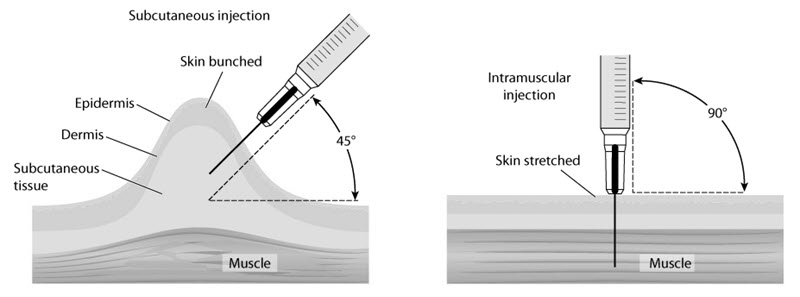
How site choice affects comfort and results
Both IM and SC routes can work. The “right” approach depends on your formulation, prescribed dose, and clinical rationale. In my experience, the biggest practical differences patients notice are usually:
- Injection-site soreness profile (varies by person and route)
- Ease of administration (IM can be harder to landmark correctly)
- Consistency (patients do best when they can reliably inject safely into the correct site)
Expected Side Effects: What’s Normal vs. What’s Concerning
When you’re learning what happens after taking b12 injection, it helps to separate “expected” from “call your clinician.”
Common, usually mild side effects
- Injection-site pain, redness, or bruising
- Temporary itching or mild swelling at the site
- Headache or nausea (less frequent)
- Fatigue changes as your body adjusts (varies widely)
Concerning symptoms that warrant medical advice
Contact your clinician promptly (or seek urgent care if severe) if you experience:
- Signs of an allergic reaction: hives, facial/lip swelling, wheezing, trouble breathing
- Severe or rapidly worsening injection-site reaction: intense swelling, severe pain, spreading redness, pus
- Fainting or persistent dizziness after injection
- Worsening neurologic symptoms instead of improvement or stabilization
One lesson I learned early in training sessions: people often normalize significant redness or worsening pain because it “feels like the shot.” Don’t. Escalate if symptoms intensify or spread.
How to Track Response After B12 Injections (So You Don’t Guess)
To truly understand what happens after taking b12 injection, track both symptoms and (when appropriate) labs. Here’s a practical approach I recommend to patients and caregivers.
Symptom checklist (simple, effective)
- Energy/fatigue level
- Brain fog/mental clarity
- Appetite
- Balance or coordination changes
- Numbness/tingling (if present)
- Shortness of breath or exercise tolerance
Lab markers your clinician may use
Your clinician decides what to order, but commonly used indicators include serum B12 and related markers. This matters because symptoms can have multiple causes (iron deficiency, thyroid issues, sleep disruption, medications, and more).
How long before you should expect improvement?
If B12 deficiency is the primary driver, you often see some change within a few weeks—while neurologic improvements can take longer. If nothing changes after the initial course and dosing is correct, that’s a signal to revisit the diagnosis and plan rather than simply repeating injections indefinitely.
Injection Safety and Technique: Key Things I Emphasize
I’m not going to pretend technique is “optional.” In my hands-on experience, safe administration is what prevents most avoidable complications (pain, bruising, infection, inconsistent absorption).
Rotation and site management
Use a consistent rotation schedule as directed so you don’t keep injecting into the same exact spot. This reduces local tissue irritation and makes it easier to notice abnormal reactions.
Don’t inject into irritated tissue
Avoid areas that are:
- red, hot, swollen, or bruised
- infected or scarred in a way your clinician advised against
- otherwise not approved for your specific technique
Use your prescribed dose and schedule
Different people require different dosing frequencies depending on the cause of deficiency. Following the prescription is part of what makes outcomes predictable.
FAQ
What happens after taking b12 injection if I’m truly deficient?
You typically see gradual improvements in fatigue and related symptoms over days to weeks, with slower recovery possible for neurologic symptoms. You may also notice immediate injection-site soreness. Labs (ordered by your clinician) are the most reliable way to confirm repletion and response.
Do IM and SC vitamin B12 injection sites change the outcome?
They can. Both routes can be effective, but absorption, comfort, and suitability differ by formulation and patient situation. Your clinician should choose the route based on your prescription and clinical needs.
When should I worry about side effects after a B12 injection?
Seek medical advice promptly for signs of allergy (hives, swelling, breathing difficulty) or severe/worsening injection-site reactions. If neurologic symptoms worsen instead of stabilizing or improving, contact your clinician.
Conclusion: Your Next Practical Step
Vitamin B12 injections can meaningfully improve symptoms when deficiency is present, but the key is understanding what happens after taking b12 injection: expect localized soreness, watch for symptom trends over days to weeks, and use labs and clinician follow-up to confirm the diagnosis is being corrected.
Next step: Start a simple tracking note (energy, brain fog, numbness/tingling) from the day of your first dose, and schedule/confirm the follow-up plan your clinician recommends for labs and reassessment.
Discussion