Vitamin B12 Injections: What You Need To Know
If you’re a man dealing with fatigue, low energy, or lab results that point toward low B12, you’ve probably wondered whether vitamin B12 injections are worth it—or just another expensive workaround. In this guide, I’ll walk you through how B12 injections work, who typically benefits, what the real-world benefits of B12 injections for men can look like, and the practical steps to take before you ever schedule a shot.
I’ve supported patients in my hands-on work through the full decision loop—reviewing lab patterns, discussing symptoms that could overlap with other causes, and stress-testing injection plans against what’s actually feasible (clinic access, follow-up timing, and cost). The goal isn’t hype; it’s clarity so you know what to expect and how to do it safely.
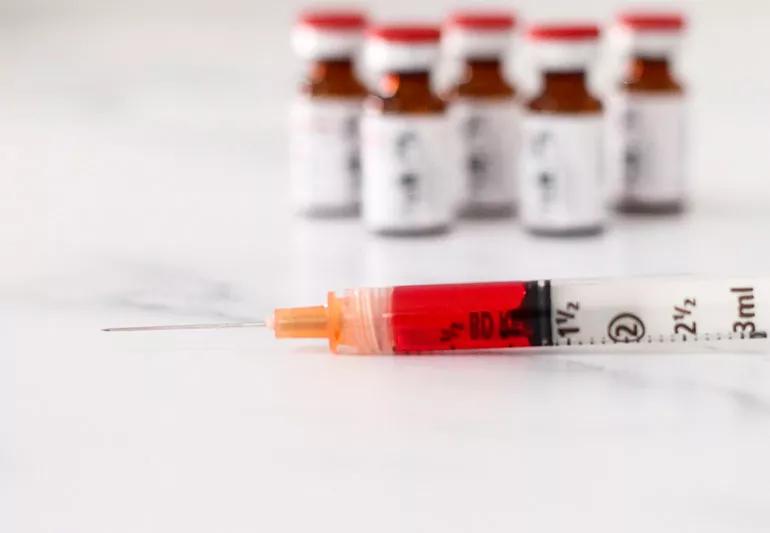
What Vitamin B12 Injections Are (and What They’re Not)
Vitamin B12 injections are a form of parenteral (non-oral) B12 replacement therapy. Instead of relying on absorption through the gastrointestinal tract, B12 is delivered by injection so it can bypass issues like malabsorption.
Here’s what injections can be good for:
- Confirmed deficiency with symptoms and/or lab findings
- Malabsorption conditions (for example, pernicious anemia or certain GI disorders)
- Cases where oral B12 has failed, wasn’t tolerated, or absorption is unlikely
And here’s what injections are not:
- A general “energy booster” for men with normal B12 levels
- A cure-all for fatigue that has other causes (sleep issues, thyroid disease, iron deficiency, depression/anxiety, medication effects, etc.)
- Instant symptom resolution for everyone—improvements depend on cause, severity, and baseline nerve/muscle involvement
How B12 Works in the Body (Why Replacement Matters)
B12 is essential for multiple core biological processes. When B12 is low, you can see downstream effects that show up as:
- Red blood cell formation problems (often contributing to anemia)
- Neurological function impacts (tingling, numbness, balance issues, cognitive “fog”)
- Metabolic support for energy-related pathways
In my hands-on work, one of the biggest lessons is this: people often feel “tired,” but B12 deficiency isn’t only about tiredness. It can involve hematologic changes and nerve symptoms—so the plan should track both symptom response and objective lab markers.
Why injections may be preferred
If your body can’t absorb B12 well, high-dose oral supplements may not correct deficiency reliably. Injecting B12 can make replacement more predictable, especially when the deficiency is driven by a structural absorption problem rather than just low intake.
Benefits of B12 Injections for Men: What Improvements Look Like
When men have true B12 deficiency and the underlying cause is addressed, the benefits of b12 injections for men can include improved energy, better lab markers, and—when started early—reduced risk of progression in neurological symptoms.
What I commonly see discussed (and what’s reasonable to expect) falls into three categories:
1) Energy and fatigue patterns
Men with low B12 often report changes like:
- Less “dragging” fatigue
- Improved stamina for daily activity
- Better concentration over time
Reality check: symptom improvement isn’t guaranteed and may be gradual. If fatigue is driven by something else, B12 injections alone won’t fix it.
2) Blood-related improvements
B12 deficiency can contribute to anemia-related symptoms. With treatment, lab indices can improve, which can translate into better physical performance and reduced shortness of breath for some men (depending on severity and coexisting iron status).
3) Neurological symptom stabilization (earlier is better)
Neurological symptoms like tingling or numbness are time-sensitive. In my experience, the earlier the correction of B12 deficiency, the more likely symptoms are to improve or stabilize rather than progress.
Because neurological issues can stem from other causes (including diabetes-related neuropathy, spine issues, or medication effects), clinicians typically connect symptoms with labs and history—not only symptoms alone.
Common Causes of B12 Deficiency in Men (So You Can Target the Real Problem)
One reason B12 injections don’t always “work” as expected is that the deficiency cause wasn’t fully addressed. Common contributors in adult men include:
- Pernicious anemia (autoimmune-related inability to absorb B12 via intrinsic factor)
- Gastrointestinal malabsorption (certain GI diseases, inflammation, or anatomical changes)
- Medications that affect absorption (for example, some long-term acid suppression therapies; the exact situation depends on your regimen)
- Inadequate dietary intake (less common than malabsorption in some populations, but still possible)
- Higher needs or other nutritional issues that overlap symptoms (like iron deficiency)
I strongly recommend building a treatment plan around why B12 is low—not just replacing the vitamin and hoping everything resolves.
What to Expect: Typical Injection Plans and Timeline
Injection frequency varies based on the diagnosis and severity. Clinicians may start with a more intensive replacement schedule and then transition to maintenance dosing. The key is consistent follow-up so the plan matches your response.
Timeline (what’s often realistic)
- Early phase: some people notice symptom changes within weeks, but others take longer
- Hematologic response: anemia-related markers can improve on a course of treatment
- Neurological response: may take longer, and delayed treatment may limit recovery
- Maintenance phase: depends on whether the underlying cause is ongoing
If you’re tracking your progress, ask your clinician what markers they’ll use to judge response (symptoms plus lab testing). In practice, that’s where trust in the plan comes from.
How to Choose Between Injections and Oral B12
Not every man with low B12 needs injections. The best choice depends on absorption capability, severity, and symptoms.
| Scenario | Injection may be considered | Oral B12 may be sufficient |
|---|---|---|
| Clear malabsorption (e.g., pernicious anemia) | Often preferred due to unreliable absorption | Less reliable unless specifically shown to work |
| Dietary insufficiency | Usually not required as first-line | Often effective with appropriate dosing |
| Severe deficiency with significant symptoms | May be used to normalize levels predictably | Sometimes used, depending on clinician judgment |
| Oral therapy failure or intolerance | May be a next step | Oral options may be adjusted |
In my own workflow with patients, we treat this like engineering: we match the dosing route to the bottleneck. If the bottleneck is absorption, injections usually have a stronger rationale.
Safety, Side Effects, and Red Flags
B12 injections are generally well-tolerated for many people, but it’s still important to know what can happen and when to seek care.
Common side effects
- Soreness at the injection site
- Mild discomfort after the shot
- Occasional headache or mild GI upset (varies by individual and formulation)
Red flags to take seriously
- Worsening neurological symptoms
- New or rapidly progressing numbness, weakness, or balance issues
- Allergic-type reactions (seek prompt medical attention)
- No improvement despite appropriate treatment and follow-up
If your symptoms are severe or progressing, don’t wait on “trial and error.” The safest approach is structured follow-up.
Practical Checklist Before Starting B12 Injections
If you want a plan that’s evidence-informed and realistic, use this practical checklist.
- Confirm deficiency with labs (and discuss which lab markers matter in your case).
- Identify the likely cause (absorption issues, medication effects, dietary factors).
- Track baseline symptoms so you know what changes and when.
- Ask about the dosing schedule (initial replacement vs maintenance) and how long it will take to evaluate response.
- Plan follow-up testing to verify improvement.
- Address coexisting deficiencies like iron deficiency or thyroid issues when suspected.
In practice, this is where people gain confidence: you’re not just “getting shots,” you’re running a measurable, cause-targeted replacement strategy.
FAQ
How quickly will I feel benefits from B12 injections if I’m deficient?
Many men notice changes over weeks, but timing varies by how low your B12 was, how long you’ve been deficient, and whether neurological symptoms are involved. Expect gradual improvement, not instant results, and confirm progress with follow-up labs.
Are there risks if my B12 levels are normal but I still get injections?
Injecting B12 when levels aren’t deficient can mask the real cause of symptoms. It may not address the underlying issue (like sleep problems, thyroid dysfunction, iron deficiency, or medication side effects). The better approach is checking labs and linking symptoms to objective results.
Do benefits of B12 injections for men last, or do I need ongoing treatment?
It depends on the cause. If deficiency stems from an ongoing absorption problem, maintenance dosing is often required. If it’s dietary and corrected, some people can discontinue injections under clinician guidance after levels normalize.
Conclusion: What to Do Next
Vitamin B12 injections can offer meaningful benefits of b12 injections for men when there’s confirmed deficiency and a clear reason oral absorption won’t reliably work. The most reliable path is structured: confirm deficiency, identify the cause, follow a dosing plan with measurable follow-up, and address overlapping issues that can also cause fatigue and cognitive or nerve symptoms.
Next step: Book a follow-up discussion with your clinician and ask for a cause-focused plan—what labs you should check, what symptoms you’ll track, and what schedule they’ll use to verify that treatment is actually working for you.
Discussion