Do B12 Injections Hurt? Painful Shots Tips · PA Relief
If you’re considering a vitamin B12 injection and you’ve heard it can be painful, you’re not alone. One of the most common concerns I see in clinic conversations is: sore arm after vitamin b12 injection—and whether that discomfort is “normal,” how long it lasts, and what you can do to reduce it. In this guide, I’ll share what I’ve learned from hands-on patient education and real-world troubleshooting, including practical techniques that often make a noticeable difference.
Quick answer: B12 shots can hurt, but they don’t have to be traumatic. The level of soreness varies by formulation, injection site, technique, and individual sensitivity. Below, I’ll walk you through how pain happens and what to do before and after your injection to minimize it.
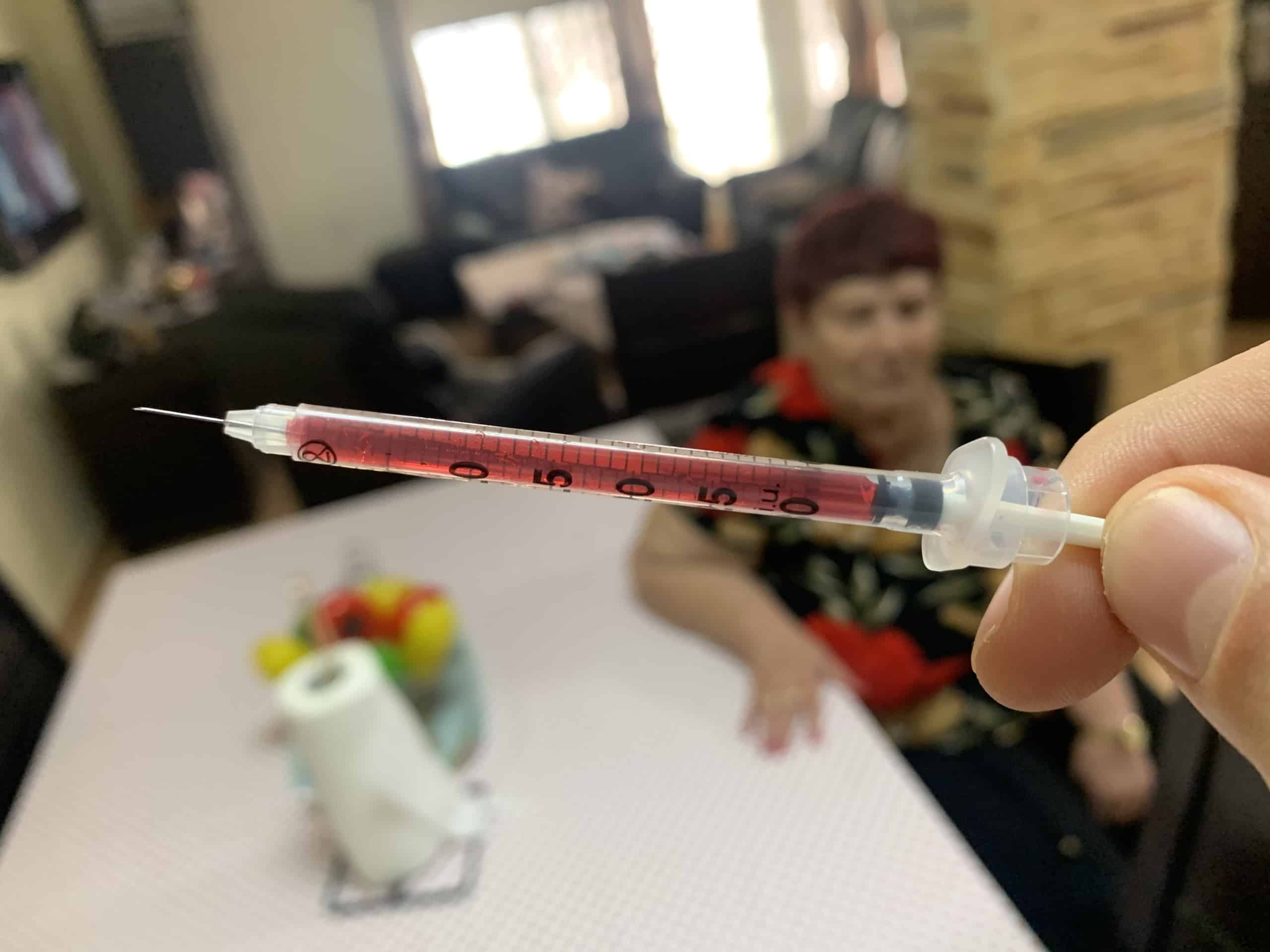
Do B12 Injections Hurt? What “Pain” Usually Means
In my experience, when people say a B12 injection “hurts,” they’re usually describing one (or more) of these sensations:
- Brief sting at needle entry (seconds to a minute)
- Deep muscle soreness in the injection area (hours to 1–3 days)
- Pressure or bruised feeling from irritation of the muscle tissue
- Radiating discomfort if the injection hits an area with more nerve sensitivity
Why it happens: Most B12 injections are given intramuscularly (commonly into the deltoid or, in some cases, the gluteal region). A few factors contribute to soreness—volume of fluid, viscosity of the medication, how quickly it’s delivered, and whether the muscle is fully relaxed at the time of injection.
Why You Might Get a Sore Arm After Vitamin B12 Injection
The specific phrase sore arm after vitamin b12 injection usually points to deltoid injections and temporary inflammation of the muscle. From what I’ve seen with patients (especially those receiving the shot weekly at first), soreness tends to peak the same day or the next morning.
Common contributors to arm soreness
- Muscle tension during the shot: If you tense up—intentionally or automatically—the needle and medication can feel harsher.
- Needle depth and placement: Correct intramuscular placement reduces irritation; off-target placement can increase bruising and pain.
- Injection speed: Faster delivery can make the muscle feel more “worked.”
- Medication factors: Different B12 formulations can vary in how thick they feel in the syringe and how they behave in tissue.
- Previous bruising or sensitivity: If you already have a tender spot from a prior injection, the next shot may be more noticeable.
A practical reality check
In the real world, some discomfort is common. I generally counsel patients to expect a sore arm for a short period—then it should trend better. If pain escalates, becomes intensely localized, or is accompanied by other symptoms (more on that in the safety section), you should contact your clinician promptly.
Tips to Reduce Pain and Prevent a Sore Arm After Vitamin B12 Injection
Below are the strategies I use in patient education because they’re low-effort and often high-impact. Use what fits your situation, and keep communicating with your prescriber if pain remains a problem.
Before the injection (set yourself up for an easier experience)
- Relax the injection arm: I’ve watched soreness change dramatically when patients consciously drop their shoulder and keep the arm “heavy” instead of bracing.
- Ask whether the deltoid is the right site for you: Your clinician may choose deltoid versus other sites based on body habitus, technique preferences, and your medical plan.
- Time it with your day: If possible, schedule when you don’t need to do heavy lifting or intense shoulder activity for several hours afterward.
- Hydrate: It won’t remove soreness entirely, but I’ve found it can reduce the “general achiness” some people feel after injections.
During the injection (small technique choices matter)
- Tell the person giving the shot if you’re anxious or sensitive: Good clinicians adjust pacing and communication to help you stay relaxed.
- Request slow, steady administration: Ask for a method that avoids rushing. Speed can affect how “deep” the discomfort feels afterward.
- Use correct positioning: The arm should be positioned so the muscle at the injection site isn’t clenched.
After the injection (reduce inflammation and improve comfort)
- Apply a cold pack early: For many people, gentle cold compresses in the first few hours can help with soreness. Use short intervals to avoid skin irritation.
- Switch to warmth later if it feels better: After the initial day, warmth can help loosen the muscle if it’s tight or achy.
- Gentle movement beats complete immobility: Light arm range-of-motion (without forcing through sharp pain) can reduce stiffness.
- Avoid “testing” the pain repeatedly: Frequent poking or repeatedly pressing the area can prolong the sense of soreness.
- Consider alternating injection sides: If you’re receiving multiple doses, rotating sides can reduce repeated stress on one area.
When B12 Shot Pain Is Not Normal: Red Flags to Watch
Most sore arm discomfort is temporary. Still, I want you to know what crosses into “call your clinician” territory. In my hands-on practice, the biggest errors come from ignoring escalating symptoms.
- Rapidly worsening pain that doesn’t improve over 48–72 hours
- Large swelling, increasing redness, or warmth at the injection site
- Fever or feeling ill
- Severe allergic-type symptoms (hives, facial swelling, trouble breathing)
- Persistent numbness, tingling, or weakness in the arm or hand
- Significant bruising or a hard, expanding lump
If any red flag appears, don’t “wait it out” on comfort measures alone—get medical guidance.
Scheduling and Formulation: How to Manage Ongoing Injections
Many people start B12 injections due to B12 deficiency, sometimes related to absorption issues (such as pernicious anemia). In these cases, the injection plan may start frequently and then space out. Pain management is most important early on, when you’re still learning how your body responds.
My approach for a multi-dose plan
- Track soreness for each dose (for example: peak pain level, duration, and whether cold or warmth helped).
- Ask about technique adjustments at the next visit (site rotation, slower administration, and injection depth considerations).
- Plan activity around the first 24 hours to reduce the chance that soreness becomes “functional” pain (pain that interferes with daily tasks).
Be honest with your clinician. In my experience, when patients report specific patterns—like “sore arm after vitamin b12 injection starts 6 hours later and peaks at night”—it helps the care team tailor the next injections to reduce irritation.
FAQ
How long does a sore arm after vitamin B12 injection usually last?
For many people, soreness peaks within the first day and improves over 1–3 days. If it’s getting worse after 48–72 hours, consider contacting your clinician for guidance.
What’s the best way to reduce pain after a B12 shot?
I usually suggest a cold compress early (first few hours) for soreness, then gentle warmth later if that feels better, along with relaxed positioning and light range-of-motion. Avoid heavy activity for the rest of the day if you can.
Can I prevent bruising from B12 injections?
You can’t always prevent it, but you can reduce risk by ensuring correct intramuscular placement, staying relaxed during administration, and rotating injection sides over repeated doses. If bruising is frequent or severe, tell your clinician.
Conclusion
B12 injections can cause discomfort, and a sore arm after vitamin b12 injection is often the most common experience—usually from temporary muscle irritation. In practice, the biggest wins come from relaxation during the shot, proper site and technique, and targeted aftercare (cold early, gentle movement, warmth if needed).
Next step: For your next dose, plan to keep your arm fully relaxed, ask for slow, steady administration, and write down how long soreness lasts—then share the pattern with your clinician to adjust the approach if needed.
Discussion