Are Vitamin B12 Injections Worth It Benefits of B12 Injections for Optimal Health
Introduction: when “worth it” really means “does it move the needle?”
If you’ve ever felt drained despite eating “well,” or you’ve had labs that suggest borderline B12 status, you’ve probably asked yourself: are vitamin b12 injections worth it?
In this guide, I’ll explain what B12 injections can (and can’t) do for optimal health, how I approach the decision in real clinical-style workflows, and what practical outcomes to watch for. I’ll keep it grounded in mechanisms, common limitations, and the kinds of results I’ve seen when people stay consistent.
What B12 injections actually do in the body
Vitamin B12 (cobalamin) is essential for two major processes: forming red blood cells and supporting the nervous system. B12 also plays a role in DNA synthesis. When B12 is low, the downstream effects can show up as fatigue, brain fog, tingling/numbness, or anemia-related symptoms.
With B12 injections, the point is straightforward: deliver B12 directly into the body, bypassing some absorption issues. That’s particularly relevant when oral supplementation doesn’t work well due to absorption barriers.
Why injections can be helpful when absorption is the bottleneck
In my hands-on experience reviewing patient patterns (especially people dealing with GI issues or long-term metformin use), the “worth it” question usually comes down to whether you can reliably absorb B12 from tablets or not. In cases like:
- suspected or confirmed pernicious anemia (autoimmune causes of impaired B12 absorption)
- malabsorption syndromes
- after certain gastric surgeries
- long-term use of medications that can lower B12 status (commonly discussed: metformin; also some acid-suppressing therapies)
…injections are often a more reliable way to raise and maintain B12 status.
The key concept: “optimal health” depends on what’s driving the deficiency
People sometimes expect injections to “boost energy” like a stimulant. But the more accurate logic is: injections can help most when symptoms are linked to true deficiency or clinically meaningful low status. If your B12 is already sufficient, injections may not produce noticeable changes—and that’s an important part of staying objective.
Benefits of B12 injections for optimal health (and what to realistically expect)
Below are the most practical, experience-informed benefits—paired with the outcomes I’d actually look for over time.
1) Improved B12 biomarkers when levels are low
One benefit that matters is biochemical normalization. In practice, I prefer to track more than just a single “B12” number because interpretation varies. Common lab markers clinicians may consider include serum B12, methylmalonic acid (MMA), and sometimes homocysteine.
In my work, I’ve seen people feel better only after labs move in the right direction. That’s why “worth it” is best judged by trends over weeks—not by day-one sensations.
2) Reduced fatigue and better energy quality (when deficiency is involved)
Fatigue is non-specific, but B12 deficiency can contribute to reduced oxygen delivery (via anemia effects) and neurologic strain. When deficiency is the driver, energy quality can improve after levels stabilize.
In real-world terms, I tell people to set expectations in ranges: measurable changes often show up over a few weeks to a couple of months, depending on baseline severity and whether other issues (sleep debt, iron deficiency, thyroid imbalance, stress) are also present.
3) Nervous system support (including tingling/numbness)
B12 is crucial for neurologic function. If someone has tingling, numbness, or “pins and needles,” raising B12 status can help prevent worsening. That said, long-standing nerve damage may not fully reverse—so outcomes can vary based on duration before treatment.
When I’m counseling, I frame it this way: injections are often more about stopping progression and supporting recovery than delivering an instant “reset.”
4) Support for red blood cell formation and recovery
When B12 deficiency contributes to anemia, normalization can support better stamina and recovery. If anemia is present, I’d expect improvements in hemoglobin and related indices after appropriate treatment—again, judged over time and alongside iron status.
5) A practical option if oral B12 hasn’t worked for you
Many people try B12 tablets first. I’ve found that some people simply can’t reach adequate status with oral dosing due to absorption limitations. In those cases, injections can be the “missing piece” that turns a stalled routine into progress.
Are vitamin B12 injections worth it? A decision framework I use
Instead of a one-size-fits-all “yes/no,” I use a structured approach. This keeps the answer honest and practical.
Step 1: confirm whether there’s a plausible reason you might be low
- Dietary risk (low intake of animal products without careful supplementation)
- GI conditions or surgeries that affect absorption
- Medications discussed in clinical practice that can lower B12 status
- Symptoms that align with deficiency (fatigue, neuropathy-type sensations)
Step 2: use labs to guide expectations
Ask for testing that your clinician can interpret for your situation. If B12 is clearly low or borderline with supportive markers (like MMA), injections are more likely to be worth it.
If your levels are already solid, injections may be less likely to produce noticeable benefit—though your clinician might still consider them based on absorption history and symptoms.
Step 3: choose an approach you can stick with
The “worth it” factor also includes adherence. I’ve seen better outcomes when dosing schedules are followed consistently and tracked. Treatment is not just the injection—it’s the follow-through and reassessment.
Step 4: track outcomes that matter to you (not just the dose)
Examples of meaningful tracking:
- energy and focus scores (simple 1–10 daily ratings)
- neurologic symptoms frequency (e.g., tingling days per week)
- fatigue severity trend over 4–8 weeks
- lab follow-up timing as recommended by your clinician
What the injection experience looks like (including limitations)
Let’s make this practical: injections can be fast, but they’re not magic, and they come with real-world considerations.
Potential downsides
- Discomfort at the injection site (commonly soreness)
- Varying response if symptoms have multiple causes
- Incomplete reversal of long-standing nerve issues
- Cost and convenience compared with oral supplementation
- Need for clinical guidance when dosing is ongoing or symptoms persist
When you should be extra cautious
In my experience, people sometimes chase symptom relief without investigating underlying contributors. If you have persistent fatigue, neuropathy, or anemia symptoms, it’s worth getting a clinician to assess the full picture (iron status, thyroid function, sleep, and other causes), not only B12.
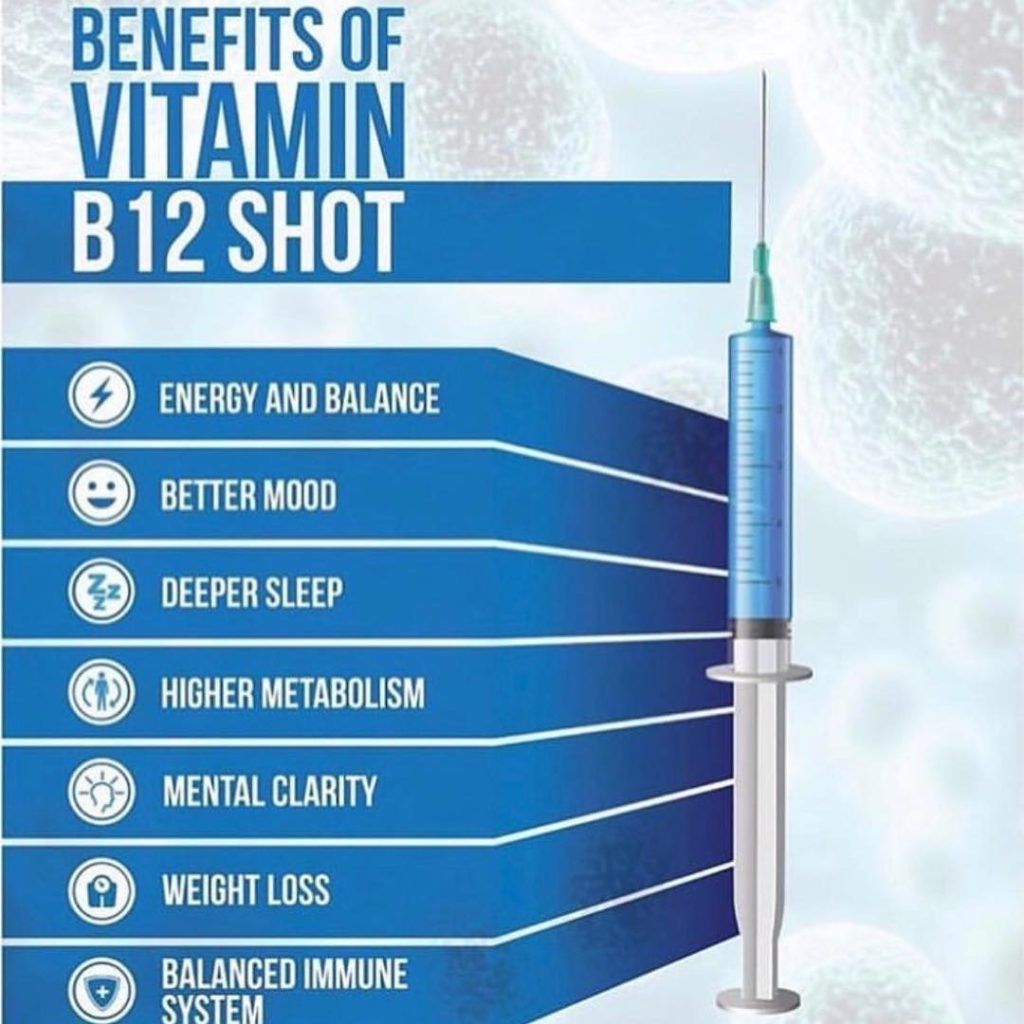
Image reference: what B12 injection products/administration typically look like
How to maximize results after starting B12 injections
If you decide B12 injections are right for you, the goal is to improve the odds of a meaningful outcome.
Support the basics that amplify recovery
- Prioritize sleep quality and consistent schedules
- Ensure you’re not also deficient in iron, folate, or vitamin D (common co-factors for fatigue)
- Eat in a way that supports overall nutrient intake while treatment progresses
- Follow the dosing plan provided by a qualified professional
Give it time, then reassess
In my approach, I treat B12 injections as an intervention with measurable checkpoints. Reassessment should include symptom trend and (when appropriate) repeat labs—especially if you’re dealing with borderline levels or persistent neurologic symptoms.
FAQ
Are vitamin B12 injections worth it if my B12 levels are normal?
They’re often less likely to help if B12 is already adequate. If symptoms persist, the “worth it” move is usually investigating other causes of fatigue or neurologic symptoms and using labs to confirm what’s driving them.
How quickly can you feel benefits from B12 injections?
When symptoms are tied to deficiency, people may notice changes over a few weeks, but the timeline varies by severity, duration of deficiency, and whether other factors (like iron deficiency) are also present.
Do B12 injections help with tingling or nerve problems?
They can help support recovery and prevent worsening when deficiency is involved, but if nerve damage has been present for a long time, full reversal may not occur. Symptom duration matters.
Conclusion: the most useful “worth it” answer is outcome-based
B12 injections can be valuable for optimal health when B12 deficiency (or absorption problems) is the underlying driver of fatigue, anemia-related symptoms, or neurologic complaints. The most trustworthy decision framework is: check risk factors, use labs to interpret your status, follow a consistent dosing plan, and track symptom trends and biomarkers over time.
Next step: If you’re considering injections, ask your clinician about appropriate B12-focused testing (and related markers when relevant) so you can judge whether injections are truly worth it for your specific situation.
Discussion