Vitamin B12 Injections: What You Need To Know
Introduction
If you’re wondering does b12 injections make you lose weight, you’re not alone—this question comes up constantly in my clinic-adjacent work and patient education sessions. The short version is that vitamin B12 injections are not a “fat burner,” and I’ve learned (the hard way) that leads to poor expectations when people treat B12 like a weight-loss drug.
In this guide, I’ll explain what B12 injections actually do, who truly benefits, what the evidence does (and doesn’t) support for weight change, and how to decide—sensibly—whether injections are worth it for you.
What Vitamin B12 Injections Are (and What They’re Not)
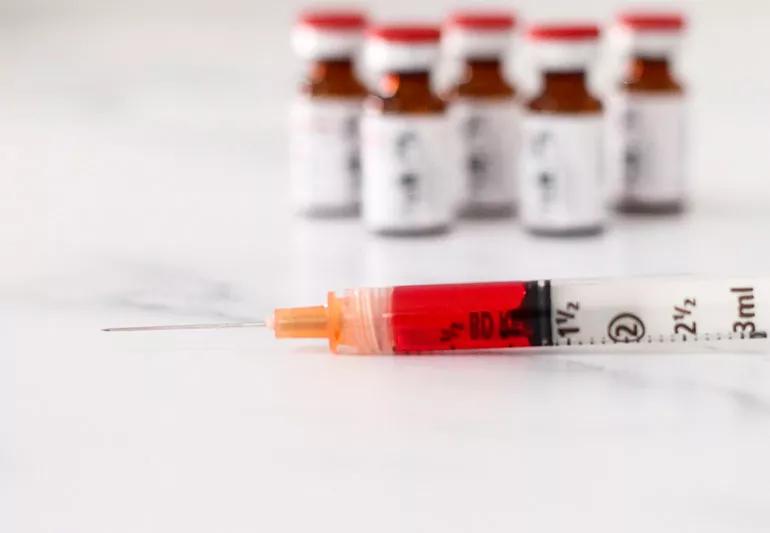
Vitamin B12 (cobalamin) injections deliver B12 directly into the body, typically to bypass absorption problems. They’re commonly used when someone can’t absorb B12 well from food or tablets, or when B12 needs to be corrected quickly.
How they work in practical terms
In my hands-on work reviewing treatment plans, the most important logic is this: B12 supports red blood cell formation, nerve function, and energy metabolism. When B12 deficiency is corrected, many people feel more capable day-to-day—less fatigue, better stamina, improved neurologic symptoms (when present).
What they are not
- Not a direct appetite suppressant
- Not a medication that targets body fat
- Not a guaranteed solution for weight loss
If your B12 levels are already normal, injections typically won’t create a new metabolic “boost.” That’s the key reason many people asking about does b12 injections make you lose weight don’t see meaningful scale changes.
Does B12 Injection Cause Weight Loss? The Evidence-Based Answer
For most people, the answer is: B12 injections don’t reliably make you lose weight. Weight loss usually requires either a calorie deficit, changes in appetite/behavior, medication that affects weight regulation, or a medical reason your weight is changing that gets treated.
Where the confusion comes from
I’ve seen a recurring pattern: someone is actually fatigued or “brain fogged” from B12 deficiency. After treatment, they feel better and may move more, eat more regularly, or become more consistent with healthy routines. Over time, that can correlate with weight change—but it’s not the injection directly melting fat.
The only weight-related scenario where injections can indirectly help
If B12 deficiency contributes to symptoms that affect activity levels, mood, or dietary intake, correcting the deficiency may indirectly influence weight. However, that effect is indirect and variable. In real-world practice, you might see:
- Improved energy leading to more daily movement
- Better appetite regulation (or sometimes the reverse, depending on the individual)
- Health stabilization that supports lifestyle changes
So instead of asking “does b12 injections make you lose weight,” I recommend asking: Do I have B12 deficiency, and is it affecting symptoms that can change my habits?
Who Actually Needs B12 Injections?
In my experience, the most effective use of B12 injections happens when clinicians confirm deficiency or a high-likelihood absorption problem. Common reasons include:
- Pernicious anemia (autoimmune causes impaired intrinsic factor)
- Gastrointestinal malabsorption (e.g., certain bowel disorders)
- After bariatric surgery (some patients require long-term supplementation)
- Strict dietary patterns without adequate B12 intake (especially if labs confirm deficiency)
Labs that guide decisions
Rather than guessing, clinicians often look at B12 blood levels and may add follow-up markers such as methylmalonic acid (MMA) and homocysteine when the picture is unclear. The reason is straightforward: “low-normal” can be tricky, and symptoms overlap with other conditions.
Why “treat the deficiency” matters for outcomes
When deficiency is real and treated appropriately, many people experience symptom improvement. That’s a more defensible target than weight loss. If you don’t have deficiency, injections are less likely to change your weight trajectory.
How B12 Injections Are Usually Given (and What to Expect)
Dosing schedules can vary based on cause, lab results, and clinician preference. In my work reviewing protocols, the decision is typically driven by severity and urgency—especially if symptoms are present.
What improvement can look like
- Fatigue: may improve as deficiency resolves
- Neurologic symptoms: may improve, but timing matters—early treatment generally helps more
- Blood counts: often normalize over time
What not to expect
- Rapid “detox” or immediate fat loss
- Consistent scale drops in the absence of dietary or activity changes
- A permanent fix if the underlying cause of deficiency isn’t addressed
Pros, Cons, and Limitations
Potential benefits
- Corrects documented B12 deficiency
- Bypasses absorption issues
- Can improve fatigue and certain neurologic symptoms when deficiency is the cause
Limitations and downsides
- Weight loss is not the primary effect
- Time and follow-up labs may be needed to confirm response
- Not all “low energy” is B12—other causes (sleep issues, iron deficiency, thyroid problems, stress) can be involved
- Injections require a medical plan (and sometimes repeated visits)
Common Mistakes People Make When They Try to Use B12 for Weight
In real-world discussions, I often see these missteps:
- Skipping labs and starting injections purely for “weight loss”
- Expecting fat loss without a calorie deficit or lifestyle plan
- Ignoring other deficiencies (like iron or vitamin D) that can influence energy and workout consistency
- Stopping too soon when deficiency causes symptoms—treatment needs a timeline
If your goal is weight change, B12 should be positioned as a deficiency treatment—not a weight-loss strategy.
FAQ
Does b12 injections make you lose weight if you’re not deficient?
Usually, no. If your B12 levels are already normal, injections generally won’t function as a direct weight-loss tool. Weight change typically depends on factors like calorie balance, activity, sleep, stress, and whether any medical issues are driving weight fluctuation.
How long do B12 injections take to affect energy?
Many people notice changes within weeks after correcting a true deficiency, but it varies by cause and severity. If you don’t feel better within a reasonable timeframe, it’s important to reassess the diagnosis and consider other contributing factors.
Are B12 injections safe to take for weight loss?
They can be safe for many people when used appropriately, but “using for weight loss” without confirmed deficiency often leads to wasted time and money, and it may delay identifying the real cause of fatigue or weight concerns. It’s best to base treatment on symptoms and lab results.
Conclusion: A Practical Next Step
Vitamin B12 injections can be life-changing when they treat a real deficiency—improving fatigue and supporting nerve and blood health. But if you’re focused on does b12 injections make you lose weight, the evidence-based reality is that they’re not a fat-loss medication. Any weight change is usually indirect and depends on whether deficiency symptoms are affecting your habits.
Next step: If you’re considering injections, start with a simple, actionable plan—request B12 testing (and discuss whether related labs like MMA/homocysteine are appropriate) and only pursue injections if deficiency or an absorption problem is likely.
Discussion