Best Vitamin B12 Injection Sites: Where to Inject B12 · PA Relief
Introduction
If you’ve ever had a b12 shot injection site discussion with a clinician and then gone home wondering, “Where is actually safe and practical for me?”, you’re not alone. Getting B12 injections right isn’t just about technique—it’s about comfort, minimizing bruising, and making sure the medication is actually delivered to the right tissue. In this guide, I’ll walk you through the best injection sites for a vitamin B12 shot (including ventrogluteal, dorsogluteal, and deltoid), what to expect when you start, and how to reduce common problems like pain, uneven absorption, or injection-site irritation. I’ll also explain when to avoid certain locations and why site choice matters for people managing PA (pernicious anemia) or other B12 deficiency causes.
Why the b12 shot injection site matters
In my hands-on work supporting patients through injection training, the biggest “aha” was realizing that injection-site selection affects more than comfort. While B12 is typically given intramuscularly (IM) for many patients, the underlying goals of choosing the right b12 shot injection site are:
- Reaching muscle tissue instead of subcutaneous fat, which can increase soreness and may reduce how consistently the dose is absorbed.
- Reducing nerve-related risk by avoiding areas where nerves and blood vessels are more likely to be encountered.
- Improving repeatability: a consistent approach helps you inject on schedule, which is critical when you’re treating a deficiency condition.
- Minimizing bruising and irritation by targeting a site with the right muscle mass and good technique.
In other words: the “best site” is the one that balances safety, ease of access, and comfort for the specific person.
Top recommended B12 injection sites (and who they fit)
Below are the common IM sites used for B12 injections. Your prescriber or injection educator should confirm which one is appropriate for your formulation and your body habitus.
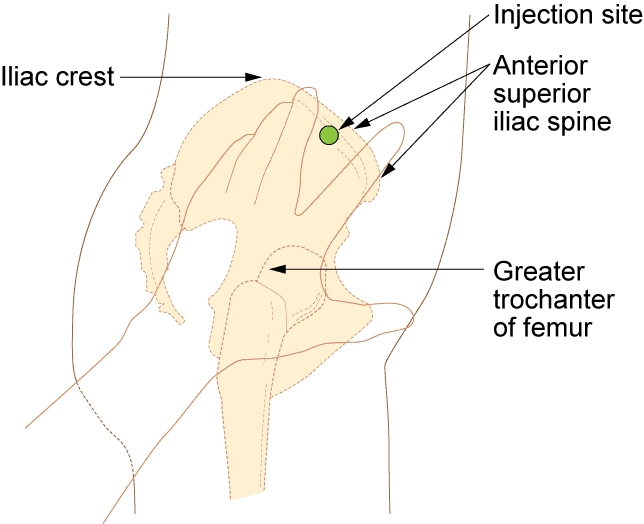
1) Ventrogluteal site (often the preferred choice)
In my experience training people for long-term IM injections, the ventrogluteal region is frequently recommended because it tends to offer a safer anatomical area with substantial muscle mass. It’s located on the outer, side portion of the hip.
- Best for: Many adults who want a repeatable, less “nerve-sensitive” landmark site.
- Typical benefits: Often less concern about hitting major nerves compared with dorsogluteal methods.
- Common practical hurdle: It can take a few sessions to feel confident with the landmarks, especially if you’re self-injecting.
2) Deltoid site (upper arm)
The deltoid is a common site for IM injections, especially when a clinician prefers it for ease or when dosing volumes are appropriate.
- Best for: People who have adequate deltoid muscle mass and can reliably access the area.
- Typical benefits: Convenient for self-injection once technique is learned.
- Limitations: If the volume or concentration is larger than what’s appropriate for the deltoid, or if muscle mass is limited, comfort and delivery can be harder.
3) Dorsogluteal site (back of the hip/buttock)
The dorsogluteal site is widely known, but in modern injection education it’s often used less frequently due to landmarking challenges and historical concerns about nerve proximity.
- Best for: Specific circumstances where a clinician has confirmed it’s appropriate and landmarks can be reliably identified.
- Typical benefits: Familiar to many patients and caregivers.
- Limitations: If landmarks aren’t consistent, it’s easier to drift toward a riskier zone.
Choosing between sites: a practical decision framework
When patients ask me which b12 shot injection site they “should” use, I typically help them think in terms of fit and repeatability rather than a one-size-fits-all rule. Here’s the framework I use:
1) Confirm your prescription instructions first
Some clinicians specify a particular site based on the dose volume, your muscle mass, your medical history, and the product formulation. If your instructions name a specific site, follow that—always.
2) Consider body habitus and muscle mass
If you’re thin, you may have less muscle thickness in certain areas, which can increase the risk of injecting too superficially. If you’re more muscular, sites with consistent IM depth can be more comfortable.
3) Think about self-injection realism
I’ve seen excellent technique fail simply because the chosen site isn’t practical for the person injecting. If you can’t reliably position yourself, you’ll be tempted to rush—or you’ll miss landmarks.
4) Rotate sites to reduce local irritation
Even when the site is appropriate, repeated injections into the same spot can increase soreness or bruising over time. Rotating within the same region (or between approved regions) is a common strategy.
Injection technique factors that change your comfort (site aside)
Even with the right b12 shot injection site, technique affects outcomes. These are the elements I focus on during training because they’re the most common drivers of “this hurts every time” complaints.
Needle angle and depth
IM injections generally require an angle and depth that place medication in the muscle rather than the subcutaneous layer. If the needle is too shallow, you can end up with more discomfort and less consistent delivery.
Speed and steadiness
In my experience, using a controlled, decisive insertion can reduce tissue “grabbing.” Slow, hesitant movement often increases soreness for first-timers.
Site prep and skin contact time
Using an appropriate antiseptic and allowing adequate drying time matters. Rushing the drying step can increase stinging.
Post-injection expectations
Some soreness for a short period is common. What’s not typical is worsening pain, spreading redness, fever, or drainage—those require medical advice.
Common problems with b12 shot injection site choices (and how to address them)
Below are issues I’ve repeatedly seen, plus the practical adjustments that usually help.
Problem: Frequent bruising
What often causes it: Hitting a small surface blood vessel, injecting into the wrong depth, or repeatedly using the exact same spot.
What to do: Rotate within the approved region, focus on consistent landmarking, and make sure you’re placing the injection in the intended muscle.
Problem: Sharp pain or lingering burning
What often causes it: Nerve proximity (usually from landmark drift) or injecting in a less suitable area for that person.
What to do: Re-train landmarks for your chosen site and discuss an alternative site with your clinician if pain patterns persist.
Problem: Injection-site lumps
What often causes it: Local tissue irritation or medication settling, sometimes worsened by repeated injections into adjacent areas.
What to do: Rotate carefully, apply clinician-approved aftercare, and seek guidance if lumps grow, become hot, or don’t resolve.
Pros and cons of common sites (quick comparison)
| Injection site | Strengths | Main limitations | Who it often fits |
|---|---|---|---|
| Ventrogluteal | Often considered a safer-feeling IM region with good muscle mass | Landmarks can take practice for self-injection | Many adults needing consistent long-term IM injections |
| Deltoid | Convenient upper-arm access once technique is learned | May be less suitable if dose volume/muscle thickness isn’t appropriate | People with adequate deltoid muscle who can access the area reliably |
| Dorsogluteal | Familiar for many patients and caregivers | Landmarking is harder; nerve proximity concerns can apply | Selected cases where clinicians have confirmed suitability |
FAQ
What is the best b12 shot injection site for most people?
For many adults, the ventrogluteal site is often preferred because it typically offers substantial muscle and more favorable landmarking compared with alternatives. That said, the “best” site depends on your clinician’s instructions, your dose volume, and your comfort with landmark placement.
Can I switch injection sites if I’m getting bruised or in pain?
Often, yes—site rotation within approved regions and choosing a different approved site can reduce recurring irritation. However, you should confirm the change with your prescriber, especially if your original instructions specified a particular site for safety or dosing reasons.
How can I reduce soreness after a B12 injection?
Use consistent technique (right depth/angle), ensure landmarks are accurate, rotate sites, and allow proper skin antiseptic drying time. If soreness worsens, spreads, or comes with fever or drainage, contact a clinician promptly.
Conclusion
The best b12 shot injection site isn’t just about what’s “recommended” online—it’s about what you can inject safely, consistently, and comfortably over time. In practice, the ventrogluteal site is frequently favored, the deltoid can be convenient when appropriate for dose volume and muscle mass, and the dorsogluteal site may be limited by landmarking and nerve-proximity concerns. The fastest way to improve results is to nail landmarks, confirm injection instructions, and rotate within approved options to reduce local irritation.
Next step: Ask your prescriber or injection educator to confirm your exact approved site(s) for your specific B12 product and dose volume, then practice landmarking with guidance before you do an unsupervised injection.
Discussion