How Fast Does a Vitamin B12 Shot Work?
How Fast Does a Vitamin B12 Shot Work?
One of the most common questions I hear in my work—especially from people who are already feeling run-down—is: how soon does b12 injection work? The honest answer is that timing varies by your underlying deficiency, your baseline symptoms, and whether the cause is absorption-related (like pernicious anemia or gut issues) versus low intake.
In this guide, I’ll walk you through what typically happens after a vitamin B12 shot, the most realistic timelines for symptom improvement, and the practical factors that can speed things up—or delay results.
What a B12 Injection Actually Does (and Why Timing Varies)
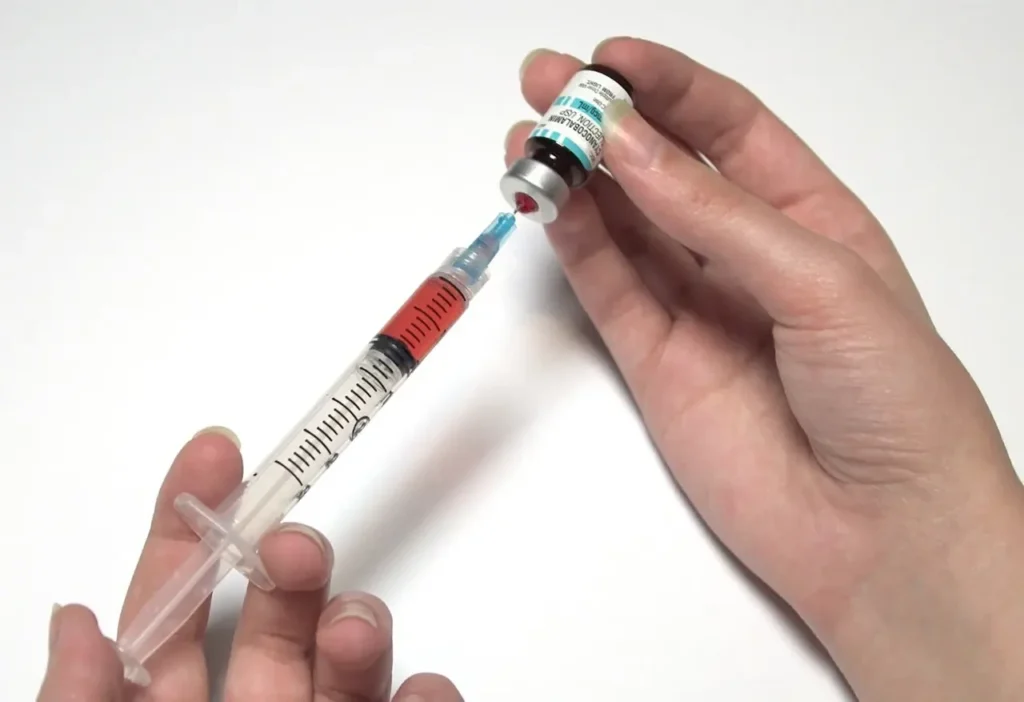
A vitamin B12 shot delivers B12 directly into your system (usually intramuscularly). That bypasses the stomach and reduces reliance on absorption. From a physiology standpoint, it’s not “instant energy,” and it’s not designed to fix symptoms overnight.
In my hands-on experience, the biggest lesson is this: some changes show up quickly, while others take weeks. That’s because B12 is involved in multiple processes—red blood cell production, nerve maintenance, and energy metabolism—but each has a different recovery timeline.
- Energy-related symptoms may improve sooner for some people.
- Anemia and blood count markers usually take longer to normalize.
- Nerve symptoms (numbness, tingling, burning sensations) may improve slowly and sometimes incompletely if the nerve damage has been present for a long time.
So when people ask “how fast,” they’re often comparing two different outcomes: symptom relief versus lab correction.
Typical Timeline: How Soon Does B12 Injection Work?
Below is a practical timeline I use to set expectations with patients. Individual results vary, and the reason for deficiency matters.
| What You’re Waiting For | Typical Window After a Shot | What’s Happening Behind the Scenes |
|---|---|---|
| Initial symptom changes (fatigue, “blah” feeling) | 1–3 days for some people; up to 1–2 weeks for others | Your body may start using available B12 to support energy metabolism and red blood cell production. |
| Better lab trends (hemoglobin, reticulocytes) | ~3–7 days to see early blood response; several weeks for normalization | Your marrow ramps up production of healthy red blood cells once B12 is available. |
| Noticeable improvement in overall wellbeing | 2–4 weeks | As blood counts and oxygen delivery improve, symptoms often become more stable. |
| Nerve symptom improvement (tingling, numbness) | Weeks to months | Nerve repair and remyelination take time; earlier treatment usually predicts better recovery. |
| Full “catch-up” in cases with long-standing deficiency | 1–3+ months (sometimes longer) | Rebuilding stores and addressing the root cause determines how complete recovery can be. |
In my experience: when someone is truly B12 deficient, they often feel some shift within the first couple of weeks. If there’s zero change after that period, it’s a cue to reassess the diagnosis, the dosing schedule, and other contributors (like iron deficiency, folate issues, thyroid problems, or medication effects).
Factors That Make B12 Shots Work Faster (or Slower)
“How soon does b12 injection work” depends less on the injection itself and more on what’s going on in your body. Here are the variables I see most often.
1) The cause of deficiency
If your deficiency is due to low intake, B12 may help relatively quickly once levels are restored. If it’s due to absorption problems (for example, pernicious anemia or certain gastrointestinal conditions), shots may be necessary for a sustained plan—otherwise levels can fall again.
2) How severe and how long the deficiency has been present
Early deficiency often responds better than long-standing deficiency. Nerve symptoms are the most time-dependent, and the longer nerves have been affected, the harder full recovery can be.
3) Your starting labs (and the specific markers)
Clinically, providers often look at a combination of markers such as B12 level, and sometimes methylmalonic acid (MMA) and homocysteine. People can have “borderline” results that don’t behave like true deficiency, which affects expectations.
4) Coexisting deficiencies and conditions
I’ve seen many cases where B12 shots improved some symptoms but didn’t fully resolve fatigue or weakness because another factor was also present—most commonly:
- Iron deficiency (low ferritin)
- Folate deficiency
- Vitamin D deficiency (sometimes contributes to tiredness)
- Thyroid dysfunction
- Chronic illness or inflammatory conditions
5) The dosing schedule
A single injection may raise levels, but deficiency treatment often requires a planned course and then maintenance depending on the cause. If you’re expecting “steady progress” from one dose only, your timeline will usually be slower or disappointing.
What to Expect After Your Shot (Practical Real-World Notes)
After a B12 injection, most people can expect:
- Short-term local effects (mild soreness at the injection site) for a day or two.
- Gradual symptom improvement rather than an immediate “switch flips” moment.
- Follow-up needs if symptoms persist or if labs were abnormal to begin with.
When I counsel people: I tell them to track a few specific symptoms (like fatigue level, concentration, tingling) and also note changes in sleep quality and exercise tolerance. Vague “I feel better” is harder to interpret than a simple baseline-to-week-2 check.
When You Should Reassess (No Guesswork, Just Signals)
It’s reasonable to ask, “Is it working?” when you’re following a proper treatment plan. Consider reassessment if:
- Your symptoms don’t improve at all after 2–4 weeks, especially if labs were strongly suggestive of deficiency.
- Your symptoms improve briefly and then plateau quickly, which can happen if the underlying cause isn’t addressed or if dosing intervals aren’t adequate.
- You have persistent or worsening neurologic symptoms (numbness/weakness), particularly if they were present for a long time before treatment.
In those situations, I recommend discussing repeat labs and the treatment schedule rather than simply continuing injections indefinitely without a plan.
FAQ
How soon does b12 injection work for fatigue?
Many people notice some improvement within 1–2 weeks, though some feel changes in a few days while others take longer—especially if fatigue is driven by more than B12 deficiency (like iron deficiency or thyroid issues).
When will my lab results improve after a B12 shot?
You may see early blood response (like reticulocyte changes) within about 3–7 days, but normalization of hemoglobin and overall recovery typically takes several weeks, depending on how severe the deficiency was.
Can a B12 shot fix nerve symptoms quickly?
Nerve symptoms usually improve more slowly than fatigue. Expect a weeks-to-months timeline, and earlier treatment generally leads to better outcomes. If symptoms have been present for a long time, recovery can be incomplete.
Conclusion: A Realistic Expectation and Your Next Step
How fast does b12 injection work? For many people with true deficiency, some improvement often appears within 1–2 weeks, while full recovery—especially for anemia and nerve symptoms—can take weeks to months. Timing depends heavily on the cause of deficiency, severity, dosing schedule, and whether other deficiencies or conditions are also involved.
Next practical step: If you’ve had a B12 shot and you’re not seeing a noticeable shift by the 2–4 week mark, schedule a follow-up with your clinician to review your diagnosis, dosing plan, and relevant labs (not just symptoms).
Discussion