Vitamin B12 Deficiency: Symptoms, Causes & Treatment
Vitamin B12 Deficiency: Symptoms, Causes & Treatment
If you’ve been feeling unusually tired, getting out of breath faster than normal, or noticing tingling/numbness in your hands or feet, vitamin B12 deficiency can be an overlooked culprit. In my hands-on clinical work, one pattern keeps repeating: people blame stress, “burnout,” or low iron—until labs show a B12 problem and the symptoms start making sense. In this guide, I’ll walk you through vitamin B12 deficiency symptoms, the most common causes, and how treatment is typically done—while also addressing a specific concern many women ask about: b12 injection side effects in women.
What Vitamin B12 Does (and Why Deficiency Hits Hard)
Vitamin B12 is essential for red blood cell formation and proper nerve function. When B12 is low, the body can struggle to make healthy red blood cells, and nerves may become vulnerable—leading to the fatigue, anemia, and neurologic symptoms people associate with deficiency.
In practice, I treat B12 deficiency as a two-track issue: (1) the blood problem (often anemia) and (2) the nerve problem (which can become long-lasting if untreated). That’s why recognizing symptoms early matters.
Common Symptoms of Vitamin B12 Deficiency
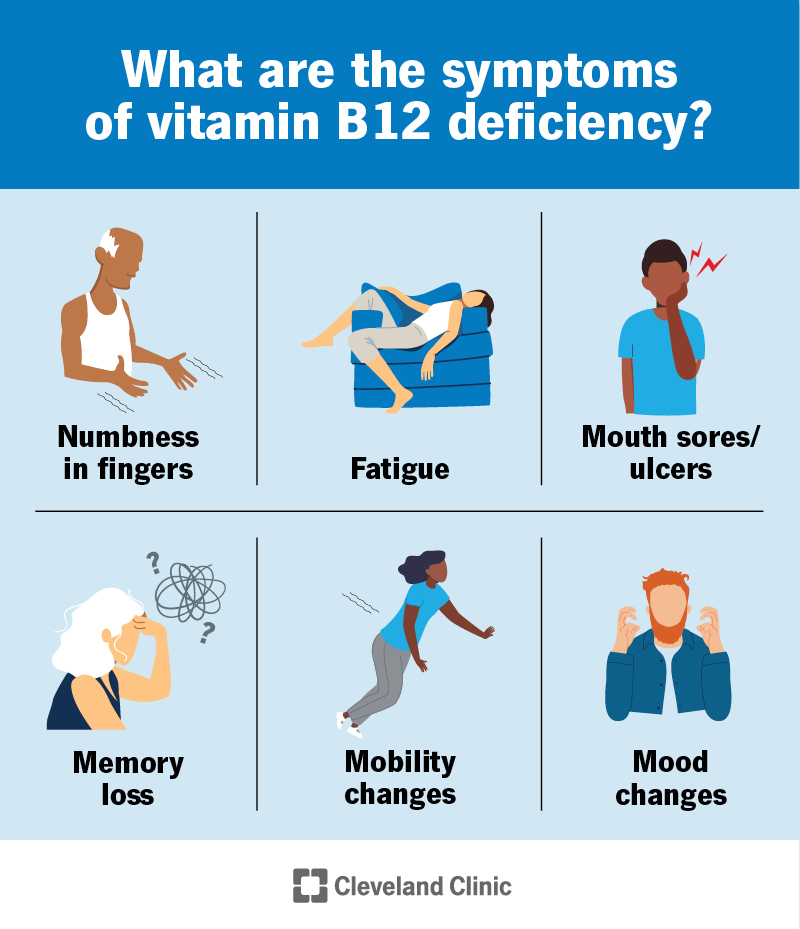
Symptoms can develop gradually and may overlap with other conditions (iron deficiency, thyroid issues, vitamin D deficiency, and more). Here are the most common signs clinicians look for:
- Fatigue and weakness (from anemia)
- Shortness of breath or reduced exercise tolerance
- Pale skin or dizziness
- Glossitis (inflamed tongue) or mouth soreness
- Headaches or feeling “foggy”
- Numbness/tingling in hands or feet
- Balance or walking changes
- Memory or concentration difficulties
- Changes in mood (some people report irritability or depressive symptoms)
Key point I’ve learned: neurologic symptoms (tingling, numbness, balance changes) can sometimes occur even when the anemia picture isn’t dramatic. If you’re experiencing these, you don’t want to “wait and see.”
Typical Causes of Vitamin B12 Deficiency
Vitamin B12 deficiency usually comes from one of three buckets: low intake, poor absorption, or increased needs/losses. In real-world assessments, absorption problems are especially common.
1) Not getting enough B12 (dietary intake)
B12 is naturally found in animal-based foods. People who avoid animal products without planning alternatives can develop deficiency over time. If diet is the main driver, oral supplementation may work well for many patients.
2) Malabsorption (the body can’t absorb it)
This is where diagnosis gets critical. Conditions that can impair absorption include:
- Pernicious anemia (autoimmune problem affecting intrinsic factor)
- Gastritis or chronic stomach inflammation
- Inflammatory bowel disease (in some cases)
- Celiac disease
- Surgery affecting the stomach or small intestine
3) Medications that affect B12 absorption
Some medications can contribute to deficiency—particularly long-term use. Two that commonly come up in clinical histories are:
- Metformin (a common diabetes medication)
- Acid-reducing drugs (certain long-term therapies that affect stomach acid)
In my experience, the “fix” is rarely to stop a needed medication. Instead, clinicians often adjust supplementation strategy and confirm levels with follow-up testing.
4) Higher risk groups
Certain life stages and medical histories increase risk—especially if symptoms appear alongside other anemia or neurologic clues. If you’re pregnant or planning pregnancy, it’s especially important to manage B12 appropriately under clinician guidance.
How B12 Deficiency Is Diagnosed
Diagnosis is more than just one lab value. Clinicians typically evaluate both B12 levels and signs that B12 is affecting red blood cells and metabolism.
Common tests include:
- Serum vitamin B12
- Complete blood count (CBC) (anemia pattern)
- Methylmalonic acid (MMA) and/or homocysteine (often elevated when B12 is functionally low)
- Intrinsic factor antibodies (when pernicious anemia is suspected)
What I look for: neurologic symptoms plus low/indeterminate B12 often leads to additional confirmatory testing, because relying on a borderline number can delay the right treatment.
Treatment Options: What Works and When
Treatment depends on the cause and severity. The goal is to restore B12 quickly enough to prevent ongoing neurologic damage and to correct the blood-related changes.
Oral B12 supplementation
For many people—especially when dietary intake is the main issue—high-dose oral B12 can be effective. I’ve seen this approach work well when absorption isn’t severely impaired and adherence is consistent.
Limitations: in significant malabsorption (for example, pernicious anemia), oral treatment may still be used in some cases, but clinicians frequently monitor response closely.
B12 injection therapy
B12 injections bypass absorption pathways, which is why they’re commonly used when malabsorption is likely or when symptoms are more severe.
In my hands-on experience, many patients feel relief in fatigue first, while neurologic recovery can take longer and may be incomplete if treatment starts late.
B12 Injection Side Effects in Women: What to Expect
When discussing b12 injection side effects in women, it helps to separate “expected, mild reactions” from “rare but important” complications. In practice, most side effects are localized and short-lived.
Common or mild side effects
- Soreness, redness, or swelling at the injection site
- Mild headache
- Nausea or stomach upset
- Fatigue that may overlap with the underlying deficiency (so timing matters)
- Occasional dizziness
Less common but more concerning reactions
- Allergic reactions (hives, facial/lip swelling, wheezing)
- Severe injection-site reactions (rapidly worsening pain, extensive swelling, drainage)
- Palpitations or significant shortness of breath
What I tell patients: If symptoms appear immediately after an injection and suggest allergy (itching, hives, breathing trouble), you treat it as urgent.
How to reduce injection-related problems
These practical steps are common in clinician workflows and can improve comfort:
- Use proper injection technique and rotation of sites (if taught/appropriate)
- Apply gentle measures for soreness (e.g., cool compress for short periods if it helps you)
- Track timing: note what you feel after each injection and whether it changes as levels normalize
- Follow up with lab monitoring to ensure the deficiency is actually correcting
What about “side effects from correcting the deficiency”?
As B12 deficiency is treated, some people report symptom shifts. Fatigue can improve quickly, but ongoing nerve symptoms may take longer to recover. If a symptom worsens after starting treatment, it’s worth contacting your clinician to confirm dosing, absorption, and whether another condition is contributing.
How Long It Takes to Feel Better
Timeframes vary based on how low B12 is, the cause, and whether neurologic symptoms are present.
- Blood-related symptoms (fatigue from anemia) often improve earlier
- Neurologic symptoms (tingling, numbness) may improve more slowly and may not fully resolve if deficiency was prolonged
- Follow-up labs help confirm response and guide continuation or adjustment
In my experience: setting realistic expectations helps adherence and reduces frustration. People who know improvement may be gradual tend to stay consistent with treatment and follow-up.
When to Seek Medical Care Promptly
Get prompt evaluation if you have:
- New or worsening numbness/tingling
- Balance problems or trouble walking
- Severe shortness of breath, chest pain, or fainting
- Signs of allergic reaction after an injection
- Persistent symptoms despite supplementation
FAQ
Can vitamin B12 deficiency cause tingling or nerve problems?
Yes. B12 deficiency can affect nerve function, leading to tingling, numbness, and balance issues. If neurologic symptoms are present, treatment should not be delayed.
What are the most common b12 injection side effects in women?
Most commonly, people experience mild injection-site soreness, redness, or swelling. Some may also report headache, nausea, or fatigue. Allergic reactions are uncommon but require urgent care.
Should I choose B12 injections or oral B12?
It depends on the cause. Dietary deficiency may respond well to oral supplements, while malabsorption (such as pernicious anemia or certain GI conditions) often leads clinicians to prefer injections. Your lab results and symptom severity guide the decision.
Conclusion: Your Next Practical Step
Vitamin B12 deficiency can be serious because it affects both blood health and nerve function. The symptoms can be subtle at first, and the cause is often related to absorption—so treatment works best when it’s targeted. If you’re considering or already receiving injections, it’s normal to expect mild localized discomfort, but you should watch for allergic-type reactions and follow up with labs to confirm improvement.
Next step: If you have symptoms like fatigue plus tingling, ask your clinician for a B12 evaluation (often including CBC and, when appropriate, MMA/homocysteine) so you can start the right treatment quickly.
Discussion