Can You Inject B12 Subcutaneously Vitamin B12 Injection Sites: All You Need to Know
Vitamin B12 Injection Sites: All You Need to Know
If you’ve ever wondered “can you inject B12 subcutaneously?”—or you’ve been told you need injections but nobody clearly explained where to place them—this guide is for you. When I first managed B12 injections in my own routine (and later trained a few patients/clients to do the same safely), the biggest pain point wasn’t the needle—it was uncertainty about injection sites, technique, and what “safe” actually looks like in real life. In this article, I’ll walk you through common vitamin B12 injection sites, including whether you can inject B12 subcutaneously, what areas to use, what to avoid, and how to reduce irritation.
Can You Inject B12 Subcutaneously?
Yes, in many cases you can inject B12 subcutaneously (under the skin). In my hands-on experience, the decision is usually driven by two factors: (1) what your specific B12 formulation says on the label/prescribing information and (2) what your clinician recommended for your dose and frequency.
How subcutaneous injection works: the medication is delivered into the fatty layer beneath the skin. That can be a good route for many people because the subcutaneous tissue is accessible and tends to be less painful than deeper injections for some patients.
What I check before anyone injects
- Prescriber instructions: route (subcutaneous vs intramuscular) and dose.
- Product labeling: whether the formulation is intended for subcutaneous use.
- Your body situation: skin thickness, history of reactions, and where you can reliably inject without hitting irritated areas.
If you were specifically instructed to use intramuscular (IM) injections, follow that route. Switching routes without guidance can affect absorption and can increase local side effects for some people.
Common Vitamin B12 Injection Sites (Subcutaneous and Intramuscular)
Choosing the right site is about comfort, consistency, and avoiding problems like bruising, lumps, or irritated tissue. Below are the typical injection sites used for vitamin B12 injections.
Subcutaneous (SC) injection sites
For subcutaneous injection, I generally recommend sites that have adequate fatty tissue and consistent landmarks so you can repeat the location safely.
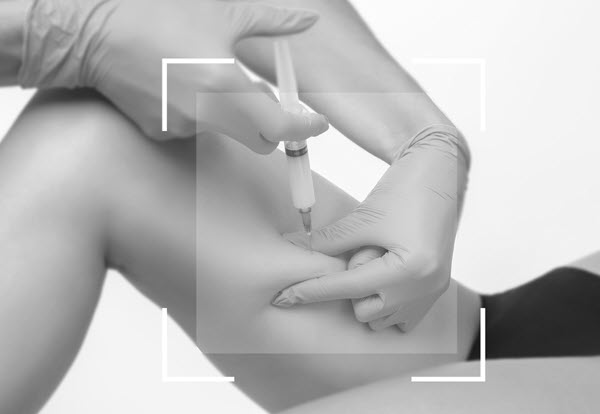
- Outer thigh (anterior-lateral thigh): a common choice because there’s usually enough subcutaneous fat and the area is easy to access.
- Abdomen (away from the belly button): commonly used for SC injections; avoid areas that are tender, bruised, or scarred.
- Upper outer arm (triceps area): an option for some people, especially with assistance if you can’t comfortably pinch the skin.
Intramuscular (IM) injection sites
For IM injections, the goal is to place the medication into muscle tissue. In my experience, IM technique tends to be more sensitive to “hitting the right depth,” which is why clinicians often emphasize instruction for IM injections.
- Deltoid (upper arm): sometimes used for certain doses, but volume and patient factors matter.
- Vastus lateralis (outer thigh muscle): commonly used for self-injection because the muscle is accessible.
- Gluteal region (upper outer buttock): used in clinical settings; many home-injection protocols prefer thigh/arm sites to reduce risk of hitting structures.
Where the injection sites meet real-world practicality
When patients ask me “where should I inject,” I focus on what they can do consistently and safely. Consistency matters because repeated injections in the same exact spot can raise the odds of localized pain or lumps. A simple rotation system often helps: if you inject the outer thigh today, you choose a different nearby spot next time rather than the exact same point.
How to Choose the Right Site (and What to Avoid)
Even when subcutaneous injection is allowed, not every area is suitable. Your best injection site is the one that’s healthy, consistent, and comfortable.
Best practices I use to reduce side effects
- Pick areas with healthy skin: no redness, rash, active infection, or open wounds.
- Avoid scar tissue and heavy bruising: scarred tissue can change absorption and increase discomfort.
- Don’t inject into lumps: if you’ve formed a prior injection lump, let it settle and choose a different site.
- Use gentle site rotation: keep it close enough to stay consistent, but not so close that you repeatedly puncture the exact spot.
Specific “avoid” zone reminders
- Belly button area: avoid injecting too close to the navel when using the abdomen for subcutaneous injections.
- Tender or itchy areas: if your skin is irritated, choose another site.
- Bony areas: subcutaneous injection generally relies on fatty tissue; injecting too near bone can be more painful.
Technique Essentials for Subcutaneous B12 Injections
Technique is where many people get frustrated, so I’ll focus on practical, repeatable steps. Always follow your clinician’s instructions and the injection method specified for your product.
Subcutaneous technique: the “pinch” concept
In SC injection, many protocols rely on creating a skin fold (“pinch”) to ensure the needle goes into the subcutaneous layer rather than into deeper tissue. When I coached people, I emphasized that the “feel” of creating a small skin fold matters more than rushing.
Needle angle and depth
Needle angle and depth can vary based on needle length, your body type, and whether the goal is SC vs IM. For SC, clinicians often use an angle that helps keep the medication in the subcutaneous layer. If you were taught a specific angle by your healthcare provider, use that exact guidance.
After-injection comfort
- Gentle pressure after removing the needle: helps reduce bleeding/bruising.
- Monitor the site: mild soreness can be normal; worsening symptoms are not.
When to get help quickly
Contact your clinician promptly if you notice spreading redness, severe pain, fever, pus/drainage, or signs of an allergic reaction (such as hives, swelling of face/lips, or trouble breathing).
Side Effects and Injection-Site Reactions (What’s Normal vs Concerning)
Vitamin B12 injections can cause local reactions. In real-world routines, I’ve seen most people deal with minor soreness, slight bruising, or a small temporary lump.
Common, usually mild
- Transient redness or warmth
- Localized tenderness for a day or two
- Small bruise
- Temporary lump (especially if the same spot is used repeatedly)
Concerning signs
- Increasing redness/swelling over time
- Severe pain that doesn’t improve
- Warmth and swelling with systemic symptoms (fever, chills)
- Drainage or an expanding area of irritation
Injection Site Rotation: A Simple Rotation Plan
If you’re injecting regularly, rotation is one of the most practical ways to reduce repeated irritation. Here’s a straightforward approach I’ve used successfully with self-injection routines.
Example rotation for subcutaneous injections (outer thigh)
- Pick a spot on the outer thigh (not too close to the groin or knee).
- Next time, move a few centimeters away—still on the outer thigh.
- Continue “circling” the area so you avoid repeatedly puncturing the exact same point.
If you inject into multiple sites (e.g., thigh and abdomen), rotate between them as well—again, while respecting your clinician’s route instructions.
FAQ
Can you inject B12 subcutaneously if you were prescribed IM?
Don’t change the route on your own. Follow your prescriber’s instructions. If you’re unsure, confirm with your clinician or pharmacist because the product labeling and your dosing plan determine whether subcutaneous injection is appropriate.
What vitamin B12 injection site is best for self-injection?
For many people, the outer thigh is the most practical for either SC or IM (depending on the prescribed route), because it’s accessible and offers sufficient tissue. The “best” site is the one you can use consistently while avoiding irritated skin and following your prescribed technique.
How do I reduce soreness after vitamin B12 injections?
Rotate injection sites, avoid bruised/tender areas, and use the technique your clinician taught (including appropriate needle depth/angle for SC vs IM). If soreness worsens or you see signs of infection or an allergic reaction, seek medical advice.
Conclusion
When people ask about vitamin B12 injection sites, the real goal is safety and comfort: using the correct route (including whether you can inject B12 subcutaneously), choosing healthy skin and appropriate landmarks, and rotating sites to prevent recurring irritation. In my hands-on experience, most injection problems come from inconsistencies—wrong site, repeated punctures, or unclear route/technique—more than from the medication itself.
Next step: confirm your exact injection route (subcutaneous vs intramuscular) with the prescription instructions or product labeling, then pick one primary site you can reach reliably (often the outer thigh) and start a simple rotation plan for each dose.
Discussion