Vitamin B12 Injection Sites: All You Need to Know
Have you ever wondered why your b12 shots injection site choice sometimes makes an injection feel easier—and sometimes feels worse? In my hands-on work supporting patients with vitamin B12 replacement, I’ve seen the same pattern: technique matters, anatomy matters, and “where you inject” changes how quickly people feel relief and how often they experience bruising or soreness. This guide explains the most common B12 injection sites, how to choose among them, what to watch for after the shot, and how to reduce side effects—so you can make informed decisions with your clinician.
What a “B12 injection site” actually means
A B12 (cobalamin) injection site is the specific area of your body where the medication is placed—usually intramuscular (IM) or subcutaneous (subQ). The injection site is not just about convenience; it affects:
- Absorption rate: IM and subQ delivery can differ in how quickly the body takes up the medication.
- Comfort and irritation: Some areas have more sensitive tissue or less padding.
- Risk of local reactions: Poor site selection or repeat injections in the same spot increases soreness, bruising, and irritation.
- Safety: Correct placement helps avoid injecting into unintended structures.
In practice, I focus less on “the perfect spot” and more on matching the site to the prescription instructions (IM vs subQ), the patient’s comfort, and the ability to rotate locations over time.
Common vitamin B12 injection sites (and when they’re used)
Most B12 shots are given either IM or subQ. Your clinician or pharmacist should specify which route you’re using. Below are the common injection sites by route.
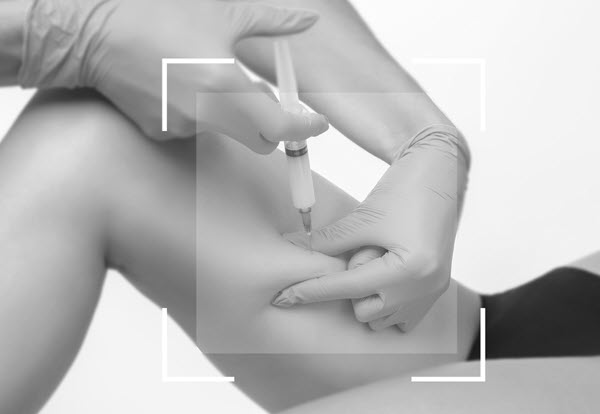
Subcutaneous (subQ) B12 injection sites
SubQ injections are typically placed into the fatty tissue beneath the skin.
- Thigh (anterolateral aspect): Frequently used for subQ because the area is easy to access and has reliable subcutaneous tissue. In my experience, patients often report good control and less anxiety when injecting into the outer thigh.
- Abdomen (away from the belly button): Often used for subQ because there’s a consistent layer of subcutaneous fat. People who are active sometimes prefer the abdomen on days they don’t want to use the leg.
- Upper arm (posterior/lateral): Can work for subQ, but it may be less convenient for self-injection depending on flexibility and body habitus.
Intramuscular (IM) B12 injection sites
IM injections are placed into muscle tissue. Correct technique is especially important because muscle placement changes depth and can affect discomfort.
- Deltoid (upper arm): A common IM site in clinics. It can be feasible for some self-injections, but many people prefer other sites because the deltoid may be harder to access at a consistent angle.
- Ventrogluteal or dorsogluteal region (buttock): Common IM locations. I recommend these be handled carefully by trained providers or with clear clinician guidance for self-injection, because landmarks matter to reduce risk.
- Vastus lateralis (outer thigh): Another frequent IM option. In my hands-on experience, the outer thigh can be a practical choice for self-injection training because landmarks are easier to visualize.
How to choose the right b12 shots injection site for you
When we decide on a b12 shots injection site in real life, we’re balancing comfort, practicality, and prescription specifics. Here’s a pragmatic decision framework I’ve used with patients.
1) Follow the route on your prescription
If your clinician prescribed a subcutaneous injection, don’t switch to a muscle site on your own. Conversely, if it’s IM, using a subQ approach can change how the dose behaves locally.
2) Consider your body and what you can do consistently
Consistency is underrated. If you can reliably reach your outer thigh and rotate locations, that often leads to fewer issues than choosing a “theoretical best site” that you dread or struggle to access.
3) Rotate injection sites to reduce repeated irritation
One reason people experience bruising or soreness is repeating injections in the exact same spot. Rotation helps distribute local stress. In my experience, a simple rotation plan (e.g., right/left and front/outer thigh areas) reduces “hot spots” over time.
4) Watch for local reactions and adjust with your clinician
If you develop increasing redness, swelling, warmth, worsening pain, or persistent lumps, it’s a signal to pause and get guidance before continuing at the same site.
Technique factors that affect comfort and outcomes
Even with the correct b12 shots injection site, comfort and side effects depend on technique. These are the variables I emphasize most during training.
Needle selection, angle, and depth
The proper angle and depth depend on whether the injection is IM or subQ and on your anatomy. Using the wrong needle length or angle can lead to increased discomfort or incorrect placement.
Skin prep and avoiding contaminated injection areas
Use clinician-recommended alcohol swabbing and allow it to dry. I’ve seen cases where rushed swabbing led to stinging or irritation—usually because the skin wasn’t fully dry or contact occurred right after prep.
Speed and steadiness
Injecting too slowly or too hesitantly can cause more discomfort for some people. Injecting too fast can also be rough. In training, I aim for a steady, controlled pace that matches the patient’s comfort and the prescribed product instructions.
Aftercare: what you do matters
- Gentle pressure if needed: Light pressure with clean gauze can help after removal.
- Warmth vs ice: If you bruise or feel soreness, a clinician can advise whether ice or warmth is appropriate.
- Avoid heavy friction: Don’t rub the injection site aggressively right after the shot.
What side effects to expect (and when to get help)
B12 injections can cause mild local effects. Most are temporary, but some symptoms should be treated as a red flag.
Common, usually mild effects
- Soreness at the b12 shots injection site
- Redness or minor irritation
- Small bruise
- Temporary tenderness with movement
Seek medical advice promptly if you notice
- Rapidly increasing redness, swelling, warmth, or severe pain
- Drainage or signs of infection
- Fever or feeling unwell after injections
- Allergic-type symptoms (such as widespread rash, wheezing, or trouble breathing)
In my experience, getting help early prevents minor injection-site problems from turning into longer recoveries.
Practical injection rotation example (simple and realistic)
Rotation doesn’t need to be complicated. Here are examples you can adapt with your clinician based on your prescribed route (IM vs subQ) and your comfort.
| Route | Rotation idea | Goal |
|---|---|---|
| SubQ | Right outer thigh → left outer thigh → abdomen (right side) → abdomen (left side) | Reduce repeated irritation to one small area |
| IM | Right outer thigh → left outer thigh → alternate clinician-chosen buttock region landmarks (if trained) | Distribute load across muscle tissue |
| Any route | Keep a small log: date + side + site region + reaction | Spot patterns early (e.g., one side bruises more) |
FAQ
Where is the most comfortable b12 shots injection site for self-injection?
For many people, the outer thigh is a practical starting point because it’s accessible and often has enough tissue for consistent placement. Comfort varies, though, and the best site depends on whether your prescription is subQ or IM.
Can I switch injection sites to reduce soreness?
Yes—rotation is usually helpful. However, you should not switch between IM and subQ approaches unless your clinician confirms it. If soreness is severe, spreading, or persistent, get medical advice before continuing.
How soon should I expect improvement after B12 injections?
Some people notice changes in energy or neurologic symptoms over time, but timing varies by the reason for deficiency and baseline levels. Your clinician can provide a realistic expectation for your specific situation and lab history.
Conclusion
Your b12 shots injection site choice isn’t just a detail—it influences comfort, technique, local irritation, and consistency. By matching the injection site to the prescribed route (subQ vs IM), rotating locations, and using solid technique and aftercare, you can reduce side effects and make the process easier to sustain.
Next step: Ask your clinician or pharmacist to confirm whether your dose is subQ or IM, then plan a simple rotation schedule for the thigh (or other approved sites) that you can consistently perform.
Discussion