How to Give B12 Injections at Home to Yourself · PA Relief
How to Give B12 Injections at Home to Yourself · PA Relief
Needing B12 replacement can feel intimidating when you’re supposed to inject yourself. If you’ve ever looked at the needle supplies on the counter and wondered whether you’re doing it safely, you’re not alone. In this guide, I’ll walk you through practical, real-world steps for b12 at home injections—including how to prepare, what to watch for, and how to reduce common mistakes.
When B12 injections are prescribed, consistency matters
In my hands-on work with patients managing pernicious anemia and other causes of B12 deficiency, the biggest “hidden variable” isn’t the medication—it’s missed doses, timing drift, and technique-related issues that lead to unnecessary discomfort or incomplete absorption over time.
For many people, injections are prescribed specifically because oral B12 isn’t sufficient for their condition. That means your routine needs to be repeatable: same schedule, correct dose, and safe handling every time. This article focuses on technique and safety habits you can carry into your home injection routine.
Before you inject: gather supplies and confirm details
Set yourself up so the injection is calm and controlled—because rushing is when errors happen. I always tell people: complete the paperwork and medication checks before you open any needles or syringes.
1) Confirm the prescription specifics
- Medication name and concentration (B12/cyanocobalamin or hydroxocobalamin, depending on your prescription)
- Dose amount (mL and/or mg units as prescribed)
- Injection site directed by your clinician (commonly intramuscular, but instructions can vary)
- Frequency and schedule (weekly, monthly, etc.)
If anything about the bottle/vial label or the plan differs from what you expected, pause and contact your prescriber/pharmacy before proceeding.
2) Use the right injection supplies
Most home injection plans follow a similar setup. You’ll typically need:
- Sterile syringe and appropriate needle size (your prescriber/pharmacy will specify)
- Alcohol swabs
- Clean gauze or cotton balls
- A puncture-proof sharps container for immediate disposal
- Gloves (optional, but often helpful if you prefer extra cleanliness)
3) Prepare the workspace
- Choose a clean, well-lit surface.
- Wash hands thoroughly and keep supplies within reach.
- Lay out everything so you don’t improvise mid-procedure.
- Let alcohol swabs air-dry after wiping (don’t blow on the site).
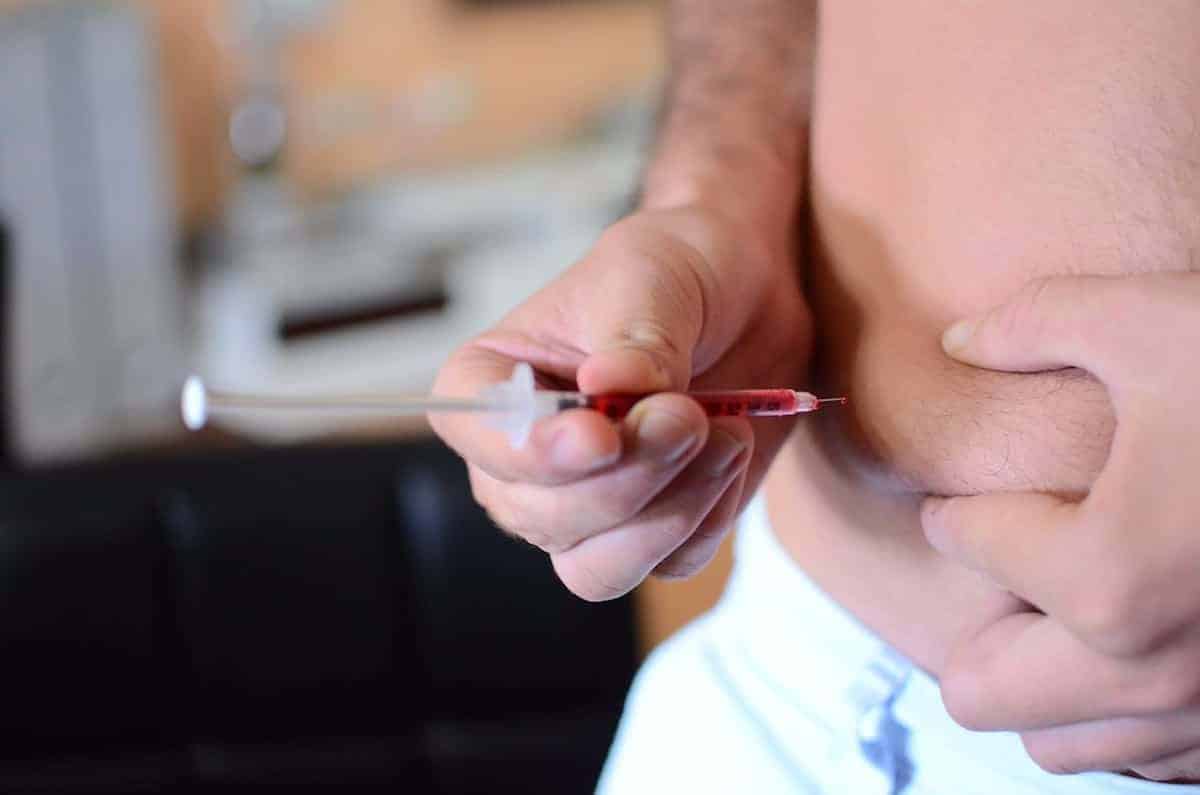
Step-by-step: how I guide self-injection safely
Technique matters more than many people expect. When I teach patients, I focus on small, repeatable motions that reduce pain, bruising, and contamination risk.
Step 1: Inspect the medication
- Check the vial/ampule expiration date.
- Confirm the medication looks as expected per your product instructions (some formulations should be clear; others may look slightly different—follow the label guidance).
- Do not use if you notice unexpected particles, discoloration, or damage to the vial.
Step 2: Prepare the dose (and avoid common syringe mistakes)
- Use sterile technique: open supplies without touching needle tips or injection surfaces.
- Draw up the prescribed amount carefully.
- If you’re instructed to remove air bubbles, do it using the method your clinician/pharmacist taught you.
Lesson learned: In clinics, I’ve seen people lose track of the correct volume when switching between measuring units (mL vs. “units”). That’s why I recommend labeling a small note for yourself: “Inject exactly X mL.”
Step 3: Choose the injection site and rotate
Common intramuscular sites include the upper outer buttock, thigh, or upper arm—depending on your prescribed plan. If your clinician specified a site, follow that exactly.
- Rotate locations to reduce soreness and scarring.
- Avoid areas that are bruised, irritated, infected, or tender beyond normal expectation.
Step 4: Clean the skin
- Use a fresh alcohol swab.
- Wipe in a circular motion, then let the skin air-dry.
- Try not to touch the site after cleaning.
Step 5: Administer the injection
Follow your clinician’s instructions for needle angle and depth. In general, the goal is steady control rather than “digging” aggressively.
- Use a comfortable grip and stable posture.
- Insert the needle smoothly.
- Inject the medication at a steady pace.
- Withdraw the needle promptly when complete.
Step 6: Aftercare
- Apply gentle pressure with gauze if needed.
- Avoid rubbing vigorously—gentle pressure is usually enough.
- Dispose of the needle and syringe immediately in a sharps container (do not recap unless your instructions specifically allow it).
- Record the date, site, and any symptoms (soreness, bruising, etc.).
Practical tip: I’ve found that a simple calendar or phone reminder reduces missed doses more reliably than “mental tracking.” If your regimen is weekly or monthly, build it into your existing routine.
Safety, troubleshooting, and when to call for help
Home injections should not feel like a gamble. There are clear signs that you should contact your clinician promptly.
What’s normal
- Mild soreness or tenderness at the injection site
- Light bruising
- Temporary discomfort that improves over a day or two
What isn’t normal
- Increasing redness, swelling, warmth, or worsening pain
- Drainage, fever, or signs of infection
- Severe or persistent allergic-type symptoms (e.g., widespread rash, difficulty breathing)
- Uncontrolled bleeding or fainting that doesn’t resolve promptly
Common technique issues (and what I’d adjust)
- More soreness than usual: consider site rotation, slower injection pace, and letting the alcohol swab fully dry.
- Bruising: ensure correct site selection and avoid injecting into already bruised tissue.
- Difficulty reaching a site: choose a site you can access safely (upper outer buttock vs. thigh vs. arm) as directed by your prescriber.
- Worry about hitting the wrong area: if you’re ever unsure about location or depth, ask for an in-person or virtual demonstration from a clinician—then repeat with coaching until you’re comfortable.
The most reliable improvement I’ve seen comes from “one correction at a time.” If you change multiple variables at once, you can’t tell what helped.
Make it easier over time: comfort habits that help adherence
Adherence is where outcomes live. In home care, comfort habits often matter as much as the dose.
Reduce anxiety
- Practice the movements without the needle first (positioning, cleaning, steady breathing).
- Use a consistent injection time and routine.
- Keep the environment predictable: same chair, same lighting, same supplies.
Track what you learn
I recommend logging:
- Date and time
- Injection site
- Dose (exact volume)
- How the site felt afterward (0–10 pain scale)
- Any unusual reactions
This creates a feedback loop. If one site repeatedly causes more soreness, you’ll see the pattern and can adjust with clinician guidance.
Coordinate with your care plan
Keep your follow-up labs and appointment schedule as directed. If your symptoms change or you have concerns about effectiveness, your clinician may adjust your regimen. Your injection technique supports that plan—it doesn’t replace it.
FAQ
How do I know which injection site is right for my prescription?
Your clinician/pharmacy will specify the injection route and site for your medication. Follow that instruction exactly. If you’re unsure or can’t access the site safely, ask for a demonstration and repeat it with coaching until you’re confident.
Can I reuse needles or share syringes with someone else?
No. Needles and syringes must be sterile and used once. Never share injection supplies—this increases contamination and injury risk. Dispose of used items immediately in a sharps container.
What should I do if I miss a scheduled B12 injection?
Don’t guess the timing. Contact your prescriber or pharmacy for the correct plan. They can tell you how to resume based on your dosing frequency and the medication type.
Discussion