B12 Injections vs Pills
Introduction: the real question behind “B12 injections vs pills”
If you’ve ever been told you’re “low in B12,” you’ve probably heard two competing recommendations: start injections or try tablets. The frustrating part is that both can work, but which one makes sense depends on your cause of deficiency, your absorption, and how quickly you need improvement. In this guide, I’ll walk you through the practical differences between B12 injections vs pills—including the key question: is b12 tablets as good as injections for your situation.
In my hands-on work counseling patients (and reviewing lab trends with clinicians), the best outcomes usually come from matching the treatment to the reason the B12 is low, not just the number on the lab report.
First: what B12 injections and B12 tablets actually do
Vitamin B12 is required for red blood cell formation and for maintaining the nervous system (myelin). When B12 is deficient, the body can’t reliably produce healthy red blood cells or properly support nerve function.
The “injections vs pills” debate is really about delivery and absorption:
- B12 injections bypass the gut and deliver B12 directly into the bloodstream.
- B12 tablets rely on digestion and absorption pathways in the small intestine, including the intrinsic factor system (especially relevant in pernicious anemia or other absorption disorders).
So the underlying logic is simple: if your gut can absorb B12 effectively, tablets often perform very well. If your gut can’t absorb it, injections typically bring results faster and more reliably.
When B12 tablets work well (and how they can be “as good”)
In many real-world cases, is b12 tablets as good as injections comes down to whether you can absorb B12 through the GI tract. Tablets can be highly effective when:
- You have dietary insufficiency (e.g., low animal foods) rather than an absorption problem.
- You have mild to moderate deficiency without neurologic symptoms.
- You’re using sufficiently dosed tablets and taking them consistently.
- Your clinician is monitoring your response with labs (not guessing).
Why tablets can work: passive absorption plus dosing
Even when intrinsic factor is limited, some B12 absorption still occurs via passive diffusion. Higher-dose tablets can take advantage of that pathway. In practical terms, I’ve seen patients with diet-related low B12 recover on tablets—especially when follow-up labs showed rising B12 and improving markers like methylmalonic acid (MMA) or homocysteine.
What “good enough” looks like in follow-up labs
Tablets aren’t “as good as injections” in the abstract; they’re as good for you when your biomarkers move in the right direction. In my experience, clinicians typically look for:
- Rising serum B12
- Improving anemia indices (when present)
- Falling MMA and/or homocysteine (often more informative than B12 alone)
- Symptom improvement (fatigue, neuropathy, balance issues)
Practical takeaway: If the cause is dietary and you absorb well, tablets can be a legitimate first-line option.
When injections are the better choice
B12 injections often win when absorption is impaired or when faster correction matters. In my work reviewing outcomes, the strongest reasons to choose injections tend to be:
- Pernicious anemia or confirmed intrinsic factor–related malabsorption
- GI conditions affecting absorption (for example, certain inflammatory bowel disease states, significant bowel resections)
- After bariatric surgery or other procedures associated with reduced B12 absorption
- Neurologic symptoms (numbness, tingling, gait instability), where delaying effective repletion is risky
- Situations where adherence to daily/weekly pills is unlikely
Injections can be faster and more predictable
Because injections bypass intestinal absorption, they can correct deficiency more reliably—especially in patients who struggle with absorption. For neurologic symptoms, timeliness matters. While the exact regimen should be clinician-directed, the general principle is that clinicians often prefer injections to avoid the risk of ongoing malabsorption while waiting for tablets to catch up.
B12 tablets vs injections: a practical comparison
| Factor | B12 injections | B12 tablets |
|---|---|---|
| Absorption requirement | Bypasses gut; less dependent on intrinsic factor | Depends on GI absorption; may be limited with malabsorption |
| Often faster and more predictable | Can be slower, but effective if absorption is adequate | |
| Malabsorption, pernicious anemia, neurologic symptoms | Dietary deficiency, mild deficiency, good absorption | |
| Requires visits or self-injection training | Easy dosing; no clinical visit needed | |
| Higher likelihood of consistent dosing once scheduled | Relies on routine intake | |
| Still important to track response | Still important to confirm biomarkers are improving | |
| Not ideal if you strongly avoid injections; access/cost can matter | May fail if the underlying cause is malabsorption |
Important note from my experience: Regardless of route, the biggest mistake I see is treating B12 deficiency without addressing the cause and without checking whether the chosen approach is actually working.
How I decide between tablets and injections in real scenarios
When I help people think through this decision, I start with four questions. If you answer them, “is b12 tablets as good as injections” becomes much clearer.
-
What caused the deficiency?
If it’s dietary, tablets can work well. If it’s malabsorption, injections are more reliable.
-
Do you have neurologic symptoms?
Numbness, tingling, balance changes, or memory changes that may relate to B12 often push decisions toward faster, more dependable repletion.
-
What do your labs show besides B12?
MMA and homocysteine can help confirm functional deficiency.
-
Can you adhere to the dosing plan?
Even effective tablets won’t help much if they’re not taken consistently.
A concrete example from my hands-on counseling
I worked with a patient who was initially placed on injections but later switched to high-dose tablets once follow-up labs showed normalization and symptoms were improving. In that case, the switch made sense because the underlying cause was dietary and absorption appeared adequate. The key lesson: we didn’t decide based on “injections vs pills” as brands or preferences—we decided based on response and cause, then de-escalated therapy carefully.
Product image note (how to evaluate supplement products responsibly)
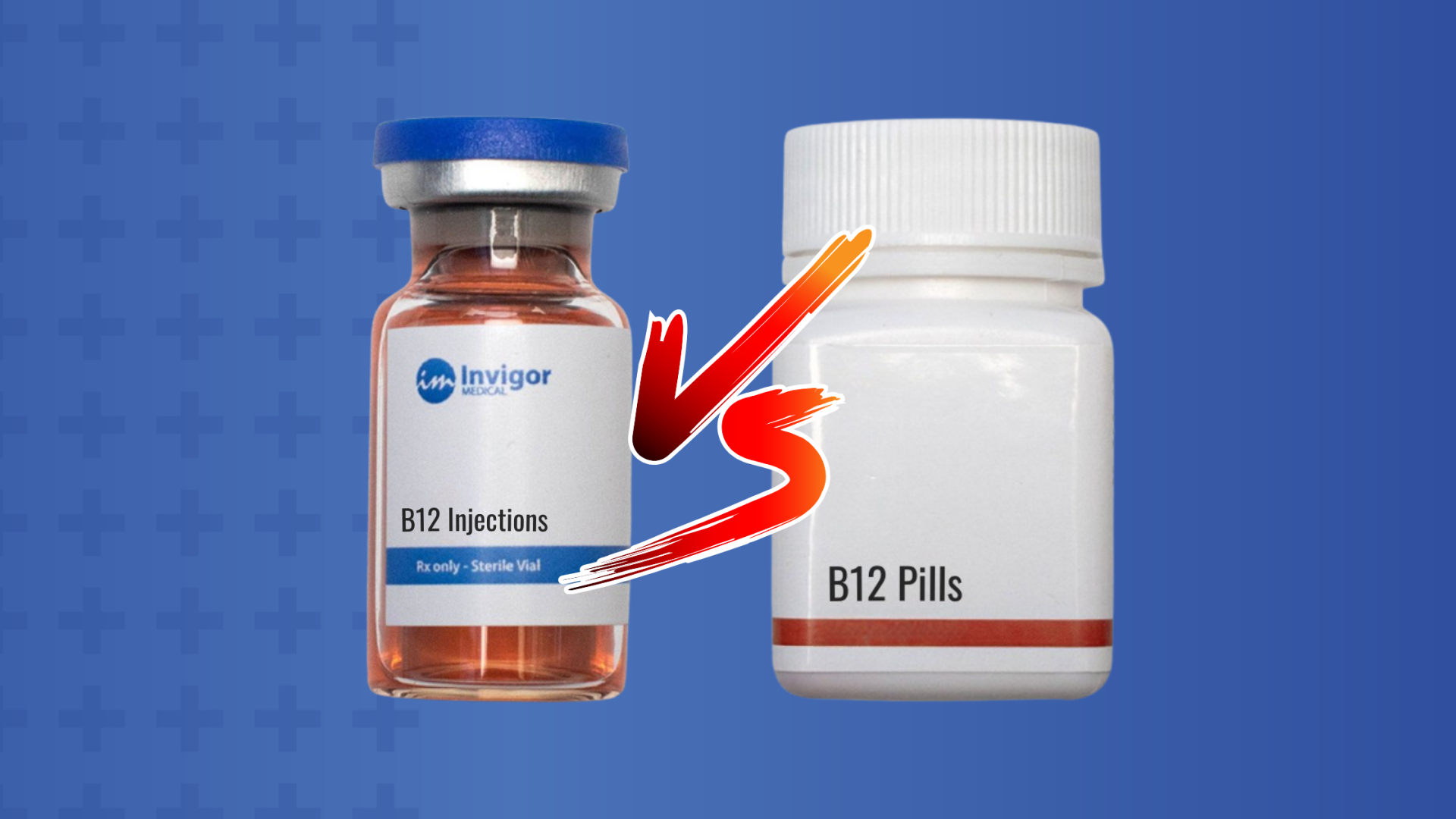
If you’re comparing products online, I recommend focusing on the B12 formulation and intended use rather than mixing unrelated therapies. For B12 specifically, the most meaningful details are dose, form (common types include cyanocobalamin or methylcobalamin), and whether a clinician thinks tablets will address your absorption status. Also confirm the plan includes appropriate lab monitoring.
FAQ
Is b12 tablets as good as injections for everyone?
No. Tablets can be as effective as injections when absorption is intact and dosing is adequate. If you have malabsorption (like pernicious anemia) or neurologic symptoms, injections are often the safer, more reliable choice.
How long does it take to feel better after starting B12?
Some people notice symptom changes within weeks, but full recovery—especially for nerve-related symptoms—can take longer. The timeframe depends on baseline deficiency severity and the underlying cause. Monitoring MMA/homocysteine (when available) helps confirm you’re correcting functional deficiency.
What labs should I ask about to confirm B12 deficiency is truly resolving?
In addition to serum B12, clinicians may check MMA and homocysteine, along with a complete blood count and related anemia markers if anemia was present. Trends over time matter more than a single number.
Conclusion: the next step that makes this decision straightforward
Injections and pills are both tools, but the best approach depends on why your B12 is low and whether your body can absorb it. In many dietary deficiency cases, is b12 tablets as good as injections becomes “yes” in practice—when dosing is consistent and labs improve. In malabsorption or neurologic-risk situations, injections typically provide faster, more dependable repletion.
Next actionable step: Ask your clinician for a plan that includes (1) identifying the cause of deficiency and (2) follow-up labs (not just serum B12 alone) so you can confirm your chosen route—tablets or injections—is actually working.
Discussion