Cyanocobalamin Injection: Vitamin B12 Deficiency Relief — Mountainside Medical
Cyanocobalamin Injection: A Practical Guide to Vitamin B12 Deficiency Relief (and What to Expect)
If you’ve ever watched a patient (or yourself) struggle with fatigue, tingling, or “brain fog,” you know how quickly vitamin B12 deficiency can disrupt daily life. In my hands-on work reviewing treatment plans and troubleshooting injection routines, one theme comes up repeatedly: people want relief, but they’re also understandably worried about dosing, injection technique, side effects, and how to confirm they’re on the right track.
This guide explains how a cyanocobalamin injection supports vitamin B12 deficiency relief and what to consider when working with vitamin b12 injection vials. You’ll get a clear, clinician-style understanding of how it works, what results typically look like, and how to use the medication safely and effectively.
What a Cyanocobalamin Injection Actually Does
Cyanocobalamin is a form of vitamin B12. After injection, your body converts cyanocobalamin into the active coenzyme forms needed for critical processes—especially:
- Red blood cell production (helping prevent the anemia pattern seen in B12 deficiency)
- Nerve maintenance (supporting myelin-related function, which is why deficiency can cause neuropathy symptoms)
- DNA synthesis in rapidly dividing cells
In practical terms, cyanocobalamin injections are often chosen when B12 absorption from oral options is limited (for example, certain gastrointestinal conditions, neurologic symptoms that need faster correction, or situations where adherence to daily oral therapy is difficult). In my experience, the “why injections” conversation is where most confusion begins—so here’s the core logic: if absorption is unreliable, delivering B12 directly can be a more dependable route to restoring levels.
Who Typically Needs B12 Injections (and When)
Healthcare teams consider vitamin B12 injection vials when deficiency is confirmed and when faster or more reliable replenishment is desired. Common scenarios include:
- Neurologic symptoms (tingling, numbness, balance issues, burning sensations)
- Significant anemia consistent with B12 deficiency
- Malabsorption risk (e.g., certain GI disorders, post-surgical changes)
- Inadequate response to oral therapy or absorption limitations
One lesson I learned early in clinical coordination: patients often assume “low B12” alone is enough to justify injections. In reality, the decision typically weighs symptoms, lab evidence, underlying cause, and sometimes additional markers (like methylmalonic acid or homocysteine) depending on the clinician’s workflow.
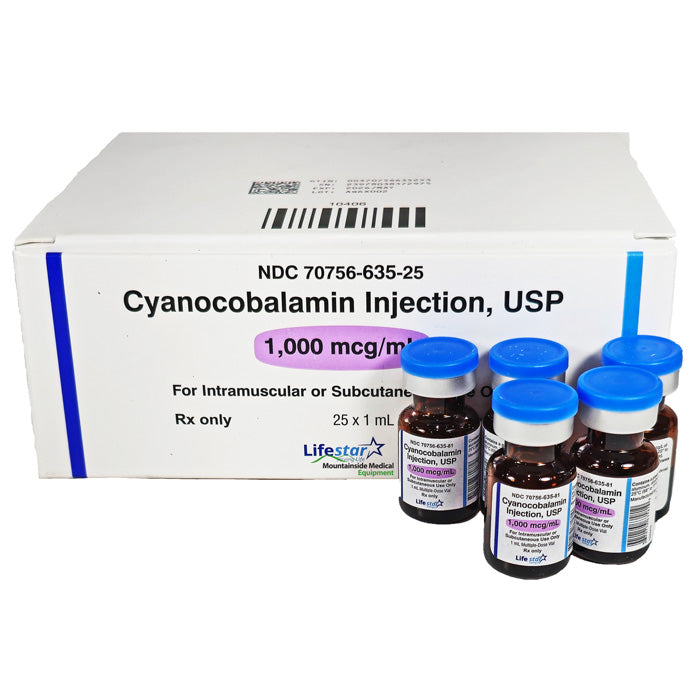
Understanding Vitamin B12 Injection Vials: Concentration, Format, and Handling
When people search for vitamin b12 injection vials, they’re usually trying to answer three questions: What strength is it? How is it given? And how do I handle it correctly? Let’s break those down in a realistic, process-focused way.
Strength and consistency
Common formulations include high-dose cyanocobalamin (often 1,000 mcg per mL in many over-the-counter and prescription vial products, though exact strengths can vary). The key is that dosing schedules are typically designed around:
- Repletion (getting stores back up)
- Maintenance (preventing recurrence)
In my hands-on review of patient instructions, I’ve seen dosing confusion happen when people treat injections like a “one-and-done vitamin.” Many plans include a short repletion period followed by less frequent maintenance.
Administration route and technique basics
B12 injections are commonly given intramuscular (IM) or subcutaneous (SubQ), depending on the prescriber’s recommendation and the specific product instructions. Your healthcare team’s guidance matters here because the correct technique affects comfort, absorption reliability, and safety.
Storage and handling
Vials should typically be stored according to the product labeling (temperature range, light protection if applicable) and used under aseptic technique. If you’re drawing medication from a vial, the process should be done with clean hands, appropriate supplies, and a plan for disposal of sharps.
Important: I’m going to keep this article focused on education rather than step-by-step injection instructions. In real-world care, incorrect technique can cause preventable issues like contamination, bruising, or improper dosing. Always follow the prescriber instructions and the medication labeling provided with your specific vial.
What Results to Expect: Timing, Symptoms, and Lab Follow-Up
When patients ask about how fast cyanocobalamin injection vials work, I anchor expectations to two realities I’ve seen repeatedly:
- Some improvement can happen early (especially regarding fatigue related to anemia correction)
- Neurologic symptoms often improve more slowly and may require longer-term maintenance
Typical symptom trajectory
While individual responses vary, a commonly observed pattern in clinical practice is:
- Energy and anemia-related symptoms: may improve over days to weeks
- Neurologic symptoms: may take weeks to months, sometimes with incomplete recovery depending on severity and duration of deficiency
Lab monitoring is part of trust
To confirm the plan is working, clinicians often re-check labs after the repletion phase or at scheduled intervals. In practice, that can include serum B12 and sometimes additional markers depending on the scenario. I’ve found that patients do best when lab follow-up is part of the plan—not an afterthought.
Safety and Side Effects: What’s Common vs. What Requires Action
Cyanocobalamin injections are generally well tolerated, but side effects can occur. From an evidence-aligned, patient-centered standpoint, it helps to know the difference between expected minor effects and signs that should prompt medical contact.
Possible side effects
- Injection-site reactions: soreness, redness, or swelling
- Mild headache or dizziness in some people
- Temporary GI discomfort (less common)
When to contact a clinician promptly
- Signs of allergic reaction (rash, swelling, trouble breathing)
- Severe or worsening symptoms after injections
- Concerns about dosing schedule or unexpected lab trends
In real-world care coordination, the biggest “safety” wins often come from early communication: if symptoms change or side effects feel unusual, it’s better to ask than to ignore.
Pros, Limitations, and How to Use Injections Effectively
Even when cyanocobalamin injections are the right choice, they’re not the entire solution. Here’s a balanced view based on common clinical tradeoffs.
Advantages
- Reliable replenishment when absorption is limited
- Potentially faster correction than oral therapy in certain situations
- Predictable dosing when given as scheduled
Limitations
- Requires administration planning (clinic visits or trained technique at home)
- Ongoing maintenance may be necessary if the underlying cause persists
- Neurologic recovery can be slower and not always complete
My practical checklist for better outcomes
- Track symptoms (fatigue, tingling, balance) and note timing relative to injections
- Schedule lab follow-up as your clinician recommends
- Address the root cause (if malabsorption or dietary issues exist, injections may need to be paired with a longer-term plan)
- Use the exact vial instructions for your specific product
FAQ
How do I know if I should use vitamin B12 injection vials instead of oral B12?
Typically, injections are considered when deficiency is confirmed with symptoms, when absorption is impaired, or when faster replenishment is clinically preferred. Your clinician uses your medical history, exam, and labs to decide the best route for your situation.
How long does it take to feel better after a cyanocobalamin injection?
Many people notice improvements in energy or anemia-related symptoms over days to weeks, while neurologic symptoms often take longer—weeks to months—and may depend on how long the deficiency existed before treatment began.
Can I switch from injections to maintenance therapy later?
Often, yes—many treatment plans include an initial repletion phase followed by maintenance. Whether that maintenance is continued with injections, oral high-dose B12, or another approach depends on the cause of deficiency and your response on follow-up labs.
Conclusion: Your Next Best Step
Cyanocobalamin injection vials can be a dependable, clinically grounded option for vitamin B12 deficiency relief—especially when absorption is an issue or when symptoms are impacting daily function. The most important success factors I’ve seen are staying consistent with the prescribed schedule, planning lab follow-up, and pairing the injection approach with a plan to address the underlying cause.
Next step: If you’re considering injections, bring your latest B12-related labs and symptom timeline to your clinician and ask for a clear repletion-and-maintenance plan (including when you’ll re-check labs and what symptom changes to expect).
Discussion