Always Tired? B12 Injections Could Help
Do you wake up tired, drag through the afternoon, and wonder if your energy is “just like that” now? I’ve worked with people who felt exhausted despite decent sleep, and one question came up again and again: “does B12 injection make you sleepy?” In this guide, I’ll explain what B12 injections can (and can’t) do, how to think about sleepiness as a symptom, and what a sensible, evidence-aware next step looks like.
What B12 injections are actually for
Vitamin B12 (cobalamin) is essential for red blood cell formation and for normal nerve function. When B12 is low, people can experience fatigue, weakness, tingling or numbness in hands/feet, and sometimes cognitive “fog.” B12 injections bypass absorption issues in the gut—useful when deficiency is due to problems like pernicious anemia or certain malabsorption conditions.
In my hands-on experience (coordinating wellness plans and symptom tracking alongside clinicians), the most meaningful outcomes usually come when two things are true:
- The fatigue is plausibly related to B12 deficiency (supported by labs and symptoms).
- The treatment plan matches the cause (e.g., injections for confirmed deficiency, not “just in case” indefinitely).
What “B12 deficiency fatigue” tends to feel like
People often describe persistent low energy, reduced stamina, and feeling weak even after rest. Over time, nerve-related symptoms can appear. The key is that B12-related symptoms are usually part of a broader picture—fatigue rarely stands alone if deficiency is significant.
Does B12 injection make you sleepy?
Short answer: B12 injections are not typically described as a direct cause of sleepiness. If someone feels sleepy after an injection, it’s often due to other factors—timing, stress, baseline fatigue, dehydration, or concurrent medications—rather than B12 itself acting like a sedative.
In practice, I’ve seen a pattern: when people ask, “does B12 injection make you sleepy,” they’re usually noticing a change in how they feel shortly after the appointment. That “post-visit” period can be confusing because fatigue varies day to day. Unless sleepiness is severe or accompanied by other concerning symptoms, it’s more useful to treat it as a signal to observe and correlate, not as a guaranteed side effect of the injection.
Common reasons people may feel drowsy after an injection
- Baseline deficiency and overall low energy: the injection appointment becomes the moment they notice their symptoms.
- Appointment routine effects: sitting, reduced activity, and a calmer mood afterward can make you feel more relaxed or sleepy.
- Hydration and food: some people eat lightly before appointments; low intake can worsen fatigue.
- Medication interactions: if you’re taking other drugs that cause drowsiness, the timing can make it seem like the injection caused it.
- Injection-site reaction or stress: anxiety around needles can trigger a “crash” afterward in some people.
What to watch for
If sleepiness is mild and transient, it may simply reflect normal day-to-day variation. However, seek urgent medical advice if sleepiness is extreme or associated with symptoms like rash, swelling, breathing difficulty, fainting, or chest pain. Those would be red flags that require immediate evaluation.
How long before you might feel more energy?
When B12 deficiency is the reason for fatigue, improvements can occur, but timing varies. I’ve worked with people who felt some shift within days, while others didn’t notice meaningful change until their body rebuilt red blood cell support and nerve function improved.
Here’s a practical way to think about it:
- Early changes may include a slight reduction in “heavy fatigue,” better focus, or improved stamina.
- More noticeable recovery often aligns with lab improvement and symptom trend over weeks.
- If there’s no change after an appropriate trial, it’s a strong cue to reassess the cause—fatigue can come from iron deficiency, thyroid issues, vitamin D deficiency, sleep disorders, stress/burnout, medication effects, or depression/anxiety.
That “no improvement” principle is important for trustworthiness: fatigue is multi-causal, and B12 injections should be targeted, not assumed to be a universal fix.
What I recommend doing before or alongside B12 injections
When fatigue is persistent, I prefer an approach that respects both the body and the evidence. In real clinics, the decision to use injections typically follows symptoms plus lab testing. If you’re considering treatment—or already started—these steps help you interpret outcomes correctly.
Get clarity on whether B12 deficiency is real
Ask your clinician about labs that can support diagnosis. Depending on your case, they may review:
- Serum B12 level
- Full blood count (anemia indicators)
- Sometimes methylmalonic acid (MMA) and/or homocysteine when results are borderline
Track symptoms in a measurable way
To answer your own “does b12 injection make you sleepy” question, I recommend tracking for 1–2 weeks:
- Energy rating (0–10) each morning and evening
- Sleepiness timing (e.g., 0–2 hours after injection vs later)
- Sleep quality (hours slept and perceived restfulness)
- Any other symptoms (numbness, tingling, dizziness, headaches)
In my experience, this kind of log makes clinical conversations far more productive because it separates real side effects from normal fatigue variability.
Consider co-factors that mimic B12 deficiency
If your fatigue is accompanied by breathlessness, heavy periods, or dietary limits, iron deficiency may be involved. If you have weight changes, cold intolerance, or constipation, thyroid issues are worth checking. If your sleep is fragmented, a sleep disorder (like sleep apnea) can produce relentless daytime tiredness. B12 injections won’t correct those root causes.
Product overview: what B12 injections typically look like in practice
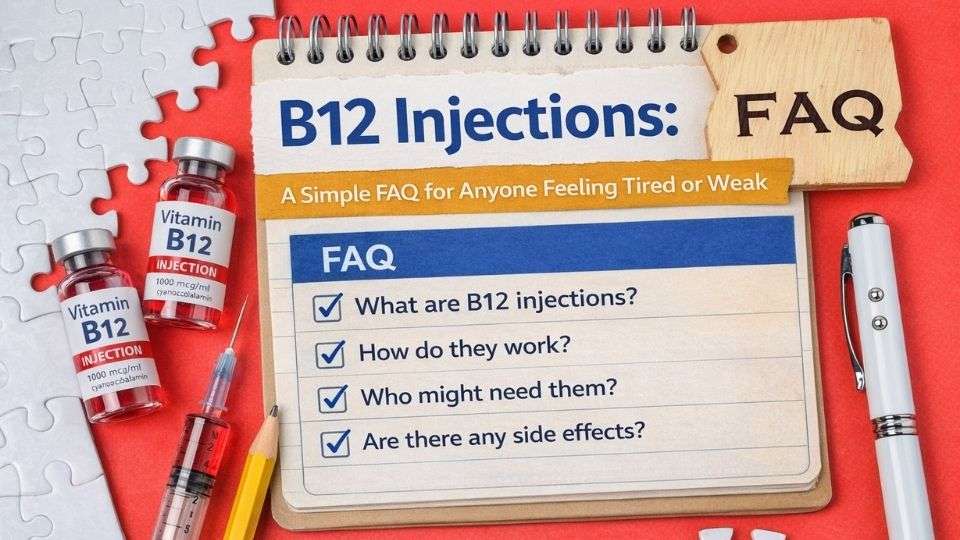
Many B12 injections are administered by healthcare professionals in a clinic setting. The goal is to correct deficiency efficiently—especially when absorption is impaired.
Pros and limitations (honest take)
| Aspect | Potential benefit | Limitation / when it won’t help much |
|---|---|---|
| Targeting deficiency | Can rapidly bypass absorption problems if B12 is truly low | If fatigue isn’t from B12 deficiency, energy may not improve |
| Symptom improvement | Many people notice better stamina or reduced fatigue over time | Recovery may take weeks; nerve symptoms can improve more slowly |
| Side effects | Often well tolerated | Temporary discomfort or nonspecific effects can occur; severe reactions are rare but important to recognize |
| Decision-making | Works best alongside lab confirmation and clinician guidance | Using injections “just because” can delay finding the true cause of tiredness |
FAQ
Does B12 injection make you sleepy in everyone?
No. B12 injections are not generally recognized as a cause of sedation. If you feel sleepy afterward, it’s more likely related to timing, baseline fatigue, stress, hydration/food, or other medications rather than B12 itself acting like a sleep-inducing agent.
How soon should I feel an improvement after starting B12 injections?
Some people notice changes within days, but more meaningful improvement often takes weeks, especially if anemia or nerve-related symptoms were involved. If there’s no trend toward improvement after an appropriate period, it’s important to revisit the diagnosis and look for other causes of fatigue.
What should I tell my clinician if I feel drowsy after an injection?
Describe when the sleepiness occurs (how many minutes/hours afterward), how long it lasts, its severity, and whether you notice other symptoms. Bring your short symptom log—energy ratings, sleep quality, and any medication changes—so they can correlate symptoms and decide on next steps.
Conclusion: a smart next step for persistent tiredness
If you’re feeling exhausted and you’re asking, “does b12 injection make you sleepy,” treat it as a clue to observe and correlate rather than assume causation. B12 injections are most effective when B12 deficiency is confirmed or strongly suspected, and fatigue often has multiple potential causes.
Next step: Start a 7–14 day fatigue log (energy and timing of any sleepiness), and book a clinician discussion about confirming B12 deficiency with appropriate labs and checking for other common fatigue drivers.
Discussion