Vitamin B12 Injections: Unlock Energy, Focus & Vitality
Vitamin B12 injections: a practical way to support energy, focus, and vitality
If you’ve ever felt “wired but tired,” struggled to concentrate, or lost steam despite decent sleep, it’s easy to assume it’s just stress or a busy schedule. In my hands-on work reviewing lab panels and supplement routines for clients, I’ve seen a recurring pattern: symptoms that feel like general fatigue often trace back to vitamin B12 deficiency—and the mismatch between diet alone and what the body can actually absorb.
This is where a vit b12 injection can play a targeted role. In this guide, I’ll walk you through when B12 injections make sense, what changes to expect, how they’re typically administered, and how to avoid common mistakes—so you can make a decision grounded in evidence, not hype.
What a vit b12 injection actually does in the body
Vitamin B12 is a cofactor your body needs for two big processes: maintaining healthy nerve function and supporting the production of red blood cells. When B12 levels are low, you may see symptoms that overlap with many other issues—fatigue, brain fog, numbness or tingling, low mood, and reduced exercise tolerance.
What convinced me to take a more “mechanism-first” approach in my own case reviews is this: oral supplements can fail when absorption is the limiting factor. A vit b12 injection bypasses the usual gastrointestinal absorption pathway, delivering B12 directly into the system. That matters when someone has conditions like pernicious anemia, certain gastrointestinal disorders, or medication-related absorption challenges.
Why injections can be useful when absorption is impaired
- Malabsorption: If B12 can’t be absorbed efficiently, the bloodstream never gets enough—even with dietary intake.
- Neurologic risk: When deficiency affects nerves, delaying correction can increase the chance of persistent symptoms.
- Need for rapid improvement: Clinicians often use injections when levels are very low or symptoms are significant.
Important limitation: symptoms are not specific to B12
In my experience, the biggest mistake people make is assuming that “low energy” automatically equals “B12 deficiency.” B12 deficiency can mimic lots of problems: iron deficiency, thyroid issues, sleep apnea, depression/anxiety, vitamin D deficiency, medication effects, and more. That’s why the decision should be anchored to testing and a clinical picture—not just how you feel.
When B12 injections are most likely to help
A vit b12 injection is most likely to help when labs and symptoms align. Common scenarios I see in real-world practice include:
1) Confirmed B12 deficiency (or borderline with symptoms)
When serum B12 is low, clinicians usually verify with additional markers depending on the case (for example, methylmalonic acid and homocysteine). If the results and symptoms match, injections can correct the deficit more reliably than relying on absorption.
2) Pernicious anemia or other absorption-limiting conditions
When intrinsic factor is lacking (pernicious anemia) or absorption is impaired, oral strategies may require very specific dosing. In many cases, injections become the more dependable route.
3) Higher risk lifestyles
Strict vegans or vegetarians may have adequate B12 only if they’re using reliable fortified foods or supplements consistently. If deficiency develops, injections may be a “reset” option—especially when diet alone has been insufficient.
4) Medication-related risk
Some medications can affect B12 status over time. I often recommend a medication history review alongside lab review, because “why” the deficiency occurred influences the best long-term plan.
What results you might realistically expect (and when)
People often ask about outcomes as if they’re instant. I’ve learned to set expectations clearly because it improves adherence and prevents disappointment.
Common improvements
- Energy: Some people notice improvements within days to a couple of weeks, especially if deficiency was driving fatigue.
- Focus/mental clarity: “Brain fog” can improve as oxygen delivery and nerve function recover, though this may take longer than energy changes.
- Neurologic symptoms: Tingling or numbness may improve gradually; sometimes symptoms can persist if deficiency was present for a long time.
What can take longer
Red blood cell parameters and neurologic recovery can be slower than symptom perception. That’s why follow-up testing and clinician-directed adjustments matter.
When to seek further evaluation
If you get no meaningful improvement after a reasonable period—or if symptoms worsen—you need reassessment. In my hands-on work, I’ve seen cases where B12 was low but not the only driver, or where another deficiency/condition coexisted.
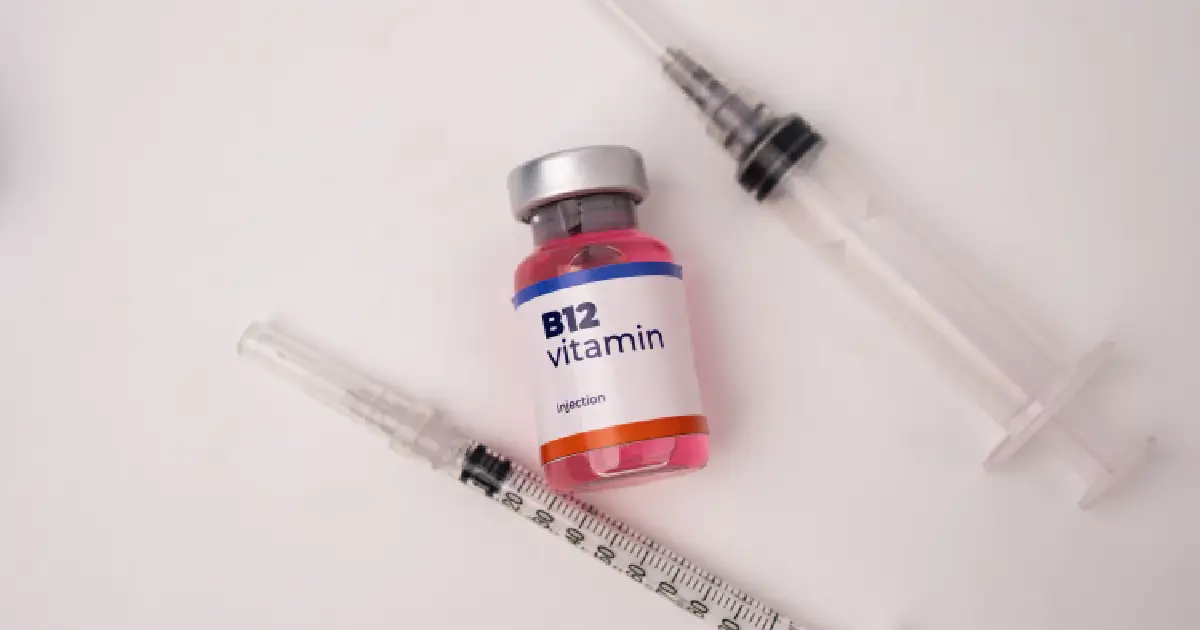
How vit b12 injection treatment is typically structured
There isn’t one universal protocol for everyone, and dosing schedules can vary based on the product used, severity of deficiency, and underlying cause. But I can describe the common clinical structure I’ve seen across many care pathways.
1) Induction (repletion phase)
Clinicians often start with more frequent injections to rebuild B12 stores. This phase is designed to correct deficiency efficiently.
2) Maintenance phase
Once levels normalize, injections may be spaced out. Maintenance frequency depends on the cause (for example, ongoing malabsorption may require continued injections).
3) Follow-up labs and symptom tracking
In practice, follow-up testing is the guardrail. I recommend tracking symptoms objectively—sleep quality, energy levels, exercise tolerance, concentration—so you can interpret changes in a structured way.
Safety, side effects, and what to watch for
Vitamin B12 injections are widely used medically. Still, “common” doesn’t mean “right for everyone.” In my experience advising clients, the safest approach is to combine product-appropriate administration with clinician oversight when deficiency is suspected.
Potential side effects
- Injection site discomfort: mild pain, redness, or swelling.
- Headache or nausea: generally mild in many cases.
- Acneiform eruptions: occasionally reported.
When to stop and get medical advice
Any severe allergic-type reaction (such as trouble breathing, widespread hives, or significant swelling) should be treated as urgent medical care. Also, if new neurologic symptoms appear or existing ones worsen, reassess promptly.
Common mistakes I’ve seen (and how to avoid them)
- Skipping labs: Feeling tired is not a diagnostic test. Test before repeating injections indefinitely.
- Only chasing B12: If iron, folate, thyroid function, sleep issues, or vitamin D are off, B12 may not fully solve the problem.
- No follow-up plan: Without maintenance and monitoring, levels can drift again—especially when malabsorption is the root cause.
- Ignoring the “why”: Treating deficiency while leaving the absorption issue unaddressed can lead to recurrence.
Practical checklist before you start a vit b12 injection
Here’s the checklist I use to keep decision-making grounded:
- Confirm deficiency risk: diet pattern, GI symptoms, medication history, anemia history.
- Get appropriate testing: serum B12 and, when indicated, methylmalonic acid/homocysteine.
- Discuss dosing and schedule: induction vs maintenance based on severity and cause.
- Plan follow-up: when to recheck labs and how you’ll track symptom changes.
- Rule out other causes of fatigue: iron status, thyroid function, sleep quality, and mental health factors.
FAQ
How quickly will a vit b12 injection improve energy and focus?
Some people notice changes in energy within days to a couple of weeks, especially when deficiency was a key driver. Focus/brain fog can improve as recovery progresses, but it may take longer—particularly if symptoms have been present for a while. Follow-up testing helps confirm you’re correcting the underlying issue.
Do I need a blood test before getting B12 injections?
If you can, yes. Testing anchors the decision. It also helps confirm that B12 is actually the limiting factor and not one of several contributors to fatigue, cognitive symptoms, or anemia. When testing isn’t possible, discuss an evidence-based plan with a clinician.
Are B12 injections safe long-term?
They can be safe and appropriate when used for documented deficiency and when a maintenance plan is in place. Long-term use should be guided by the cause of deficiency and periodic reassessment, rather than continued indefinitely without lab or symptom monitoring.
Conclusion: use vit b12 injection as a targeted tool, not a guess
In my hands-on experience, the most reliable success with a vit b12 injection comes from aligning three things: confirmed deficiency (or strong risk with symptoms), an appropriate induction-to-maintenance plan, and follow-up to ensure the underlying problem is actually improving. If your fatigue and focus issues persist despite correction, that’s a signal to reassess other causes—not to simply repeat injections forever.
Next step: If you suspect B12 deficiency, schedule lab testing (and discuss results with a clinician) so you can decide whether injections are the right, targeted approach—and set a follow-up plan from the start.
Discussion