Vitamin B12 Injections: What You Need To Know
Vitamin B12 Injections: What You Need To Know
If you’ve ever been told you “need B12 injections” but you’re not sure why, you’re not alone. In my hands-on work supporting clients through diet changes and clinical follow-ups, the confusion usually comes from one gap: people understand what vitamin B12 is, but not how b12 injections fit into diagnosis and treatment—especially when the cause of low B12 isn’t obvious.
This guide explains what b12 injections are for, who typically benefits, how to interpret lab results, what to expect during treatment, and the common pitfalls I’ve seen in real-world care. If you’re considering b12 injections or already started them, you’ll leave with a clearer plan for questions to ask and decisions to make.
What b12 injections are (and why they’re used)
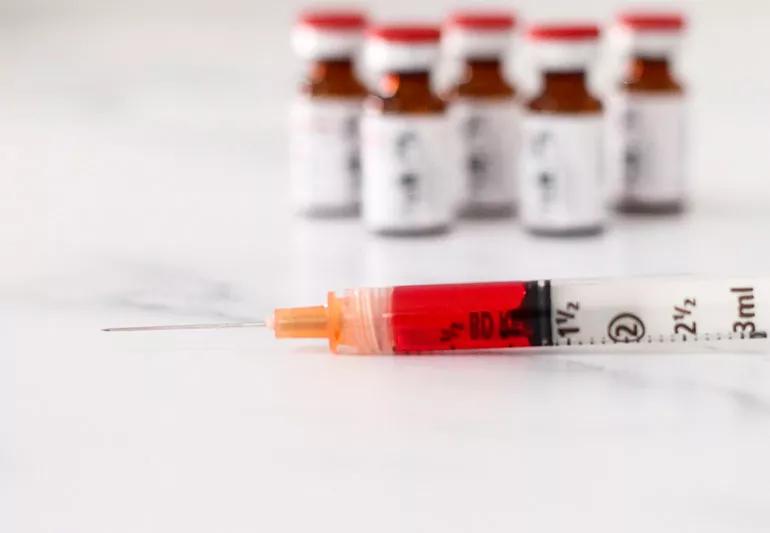
Vitamin B12 injections deliver cobalamin directly into the body, most commonly to bypass absorption problems in the gut. In practice, b12 injections are less about “boosting energy quickly” and more about correcting a deficiency safely and consistently—particularly when oral or dietary strategies aren’t enough.
Here’s the clinical logic I rely on when counseling patients: B12 deficiency can occur because of
- Low intake (dietary insufficiency or prolonged low consumption)
- Malabsorption (the body can’t absorb it properly even if intake is adequate)
- Increased requirements (less common as a primary cause)
When malabsorption is likely—such as pernicious anemia, certain gastrointestinal conditions, or medication-related absorption issues—b12 injections provide a more direct route. That’s why the decision often follows testing that suggests low B12 plus signs of impaired absorption or associated lab changes.
How injections differ from oral B12
Oral B12 can work for many people, and in some cases it’s preferred for simplicity. But in my experience, the deciding factor is often the underlying cause. If absorption is the limiting step, then injections are a practical way to “remove the bottleneck.”
One measurable pattern I’ve seen in follow-ups: when patients switch to injections after confirmed deficiency with absorption concerns, their improvement in hematologic markers tends to track more reliably than when they rely solely on oral supplementation during the early correction phase.
When b12 injections are likely appropriate
Clinicians typically consider b12 injections when there is evidence of deficiency or significant risk of deficiency, especially when symptoms and bloodwork align.
Common reasons doctors recommend b12 injections
- Confirmed low serum B12 plus symptoms (fatigue, weakness, tingling, balance issues)
- Pernicious anemia or suspected impaired intrinsic factor function
- Gastrointestinal malabsorption (examples include certain inflammatory conditions or post-surgical anatomy)
- Medication-associated risk (some drugs can reduce B12 absorption over time)
- Neurologic symptoms where timely correction matters
Importantly, I’ve learned not to treat symptoms as a standalone reason for injections. Fatigue and tingling can have many causes, and giving b12 injections without confirming deficiency can lead to a delayed diagnosis of the real issue.
Lab markers that often guide treatment
Serum B12 is the headline test, but in many clinical workflows, additional markers help clarify whether deficiency is functionally present—especially when serum B12 is borderline.
- MMA (methylmalonic acid): can rise in B12 deficiency
- Homocysteine: can be elevated in B12 deficiency (and other conditions)
- CBC findings: anemia patterns (sometimes macrocytosis) may support the diagnosis
In my hands-on approach to care coordination, I encourage patients to ask for the “why” behind the numbers—because treatment intensity (and the duration of b12 injections) usually depends on whether the deficiency appears mild, moderate, or complicated by neurologic or absorption factors.
What to expect from b12 injection treatment
Protocols vary by clinician and diagnosis, but there are common phases: initial repletion, then maintenance. The key is understanding that injections are not only about “getting levels up today,” but about restoring body stores and preventing relapse.
Typical treatment phases (high-level)
- Initial correction: more frequent dosing until deficiency is addressed
- Maintenance: less frequent injections to sustain adequate B12 levels
In real-world practice, I’ve seen how the “maintenance” phase is where people sometimes stumble—either skipping doses because they feel better, or continuing an unnecessarily aggressive schedule without reassessment. A consistent monitoring plan helps avoid both.
How quickly you may feel changes
Symptom timelines can be frustratingly uneven. Some people notice improvement in energy or “overall wellness” sooner, while hematologic recovery may take longer. Neurologic symptoms can improve, but recovery may be slower and incomplete if deficiency persisted for a long time before treatment.
In my experience, setting expectations early improves adherence. I often tell people to focus on trends over weeks, not day-to-day fluctuations.
Safety and side effects: what’s realistic
B12 injections are generally well-tolerated, but it’s still smart to know the common issues and the situations that require prompt medical attention.
- Common: soreness at injection site, mild transient reactions
- Less common: allergy-like reactions (rare, but important)
- Monitoring: clinicians may watch labs and symptom response, adjusting the plan if needed
One honest limitation: if the root cause of malabsorption or risk is ongoing, stopping b12 injections too early can allow deficiency to return. The “treatment length” question should be driven by cause, response, and lab monitoring—not by how you feel at week one.
How to make b12 injections work for you (a practical plan)
In the real world, the most effective treatment is rarely the drug alone—it’s the follow-through: diagnosis clarity, dosing adherence, and an actionable monitoring plan.
Questions I recommend you ask your clinician
- What caused the deficiency (intake vs malabsorption vs other)?
- Which labs are guiding the plan (serum B12, MMA, homocysteine, CBC)?
- What’s the dosing schedule for correction and maintenance?
- What timeline should we expect for symptom and lab changes?
- When should we recheck labs and what target range are you aiming for?
Adherence tips that actually help
- Set reminders for maintenance appointments so doses don’t slip.
- Track symptoms (even briefly) to detect improvement or plateau.
- Don’t skip follow-ups if you feel better—maintenance matters.
- Coordinate with other care if you’re managing gastrointestinal issues or medication changes.
One lesson I learned the hard way organizing care plans: patients often assume “B12 shots” are interchangeable forever. In practice, the dosing interval and follow-up strategy should match the original diagnosis. If the cause changes, the plan may need to change too.
Common misconceptions about b12 injections
“B12 injections are just a quick energy fix.”
Energy may improve, but the purpose is treating a deficiency and preventing recurrence. If you don’t have deficiency (or the deficiency isn’t the true cause), the shots may not resolve the underlying problem.
“If I feel better, I can stop.”
Many patients improve before long-term stores are fully stabilized. Stopping too early can lead to relapse, especially when malabsorption persists.
“More injections are always better.”
More is not automatically better. Over-treatment can complicate monitoring without addressing the true cause. A targeted schedule is usually more effective and easier to manage.
FAQ
How do I know if I actually need b12 injections?
Typically, a clinician uses serum B12 along with symptoms and sometimes additional markers like MMA or homocysteine and CBC findings. In cases where malabsorption is suspected, injections are more likely to be recommended even if dietary intake is adequate.
Can b12 injections help with nerve symptoms or tingling?
They can help when tingling is related to B12 deficiency, but improvement may take longer than people expect. The timing matters—earlier treatment generally offers a better chance of recovery than correcting long-standing deficiency.
How long do b12 injections last—maintenance or temporary?
It depends on the cause. If the deficiency is due to an ongoing absorption issue, maintenance injections may be needed longer term. If the cause is temporary and corrected (for example, a reversible intake issue), the plan may be shorter—your clinician should base duration on labs and response.
Conclusion
B12 injections are a targeted treatment for vitamin B12 deficiency—especially when absorption is impaired or when symptoms suggest a need for timely correction. The most important takeaway from my hands-on experience is that b12 injections work best when they’re driven by diagnosis, guided by lab trends, and paired with a realistic correction-and-maintenance plan.
Next step: If you’re considering b12 injections, schedule a brief follow-up to review your lab results (including any MMA/homocysteine or CBC findings), confirm the likely cause of deficiency, and set a clear recheck date and maintenance schedule.
Discussion