Uses of Bacteriostatic Water for Injections and Where to Get It
Uses of Bacteriostatic Water for Injections and Where to Get It
If you’ve ever had to manage a multi-dose vial for compounded medications, a home medication workflow, or a post-mixing “how long can I keep this” question, you’ve probably asked the same thing I did the first time: can you buy bac water over the counter—and what are the real-world uses of bacteriostatic water for injections?
In this guide, I’ll explain what bacteriostatic water is used for, where it fits in injection preparation, the practical limits people often miss, and what to expect when trying to source it. I’ll also note safety considerations that matter when you’re handling injectable supplies.
What Bacteriostatic Water for Injections Is (and Why It Exists)
Bacteriostatic water for injections is sterile water intended for injection use that includes a small amount of a bacteriostatic agent to inhibit microbial growth. The goal is straightforward: help keep a once-opened, multi-dose vial from becoming contaminated over a period of time when used correctly.
In hands-on work, the difference is less about “making it safer to use anytime” and more about “buying time” between punctures for properly handled, correctly stored vials. I’ve seen teams waste hours when they assume bacteriostatic water removes all contamination risk. It doesn’t—it reduces the ability of microbes to grow. That’s an important distinction when you’re working under real-world constraints like limited vial size, scheduling multiple doses, or compounding.
Bacteriostatic vs. Sterile Water for Injection
Think of it like this:
- Sterile Water for Injection: sterile, but generally not formulated for repeated punctures with the same “growth inhibition” purpose.
- Bacteriostatic Water: sterile plus a bacteriostatic agent intended to slow microbial growth in a vial used for multiple entries.
The correct choice depends on your medication, the pharmacy/compounding instructions, and the approved storage/handling guidance that comes with the product you’re reconstituting.
Common Uses of Bacteriostatic Water for Injections
Bacteriostatic water is most commonly used as a diluent or reconstitution vehicle for medications that are supplied as powders and need to be mixed before injection.
1) Reconstituting Multi-Dose Injectable Medications
One of the most practical reasons people seek bacteriostatic water is to reconstitute a vial that will be drawn from more than once. In my workflow experience, this is usually about reducing waste: instead of discarding unused medication, correct reconstitution and handling can allow planned dosing schedules.
Typical examples include compounded or reconstituted injectables where a pharmacy provides specific instructions for reconstitution and storage. Always follow the exact directions for the medication you’re preparing.
2) Diluting Certain Injectable Formulations
Some injectable drugs are supplied in formats that require dilution to achieve an intended concentration. Bacteriostatic water may be used if the drug’s preparation instructions allow it and the final mixture’s stability and storage conditions are defined.
3) Supporting Injection Preparation in Clinical or Pharmacy Workflows
In regulated settings, bacteriostatic water is part of standardized preparation when multi-dose access is expected. The key difference between “works in theory” and “works in real life” is technique—sterile handling, correct needle/syringe selection, and avoiding contamination during punctures.
4) Compounding and Reconstitution by Professionals
When a licensed compounding pharmacy supplies a medication that requires dilution/reconstitution, they may specify bacteriostatic water (or another diluent). In practice, I’ve seen that the “right” diluent is often chosen based on formulation compatibility and stability data, not just convenience.
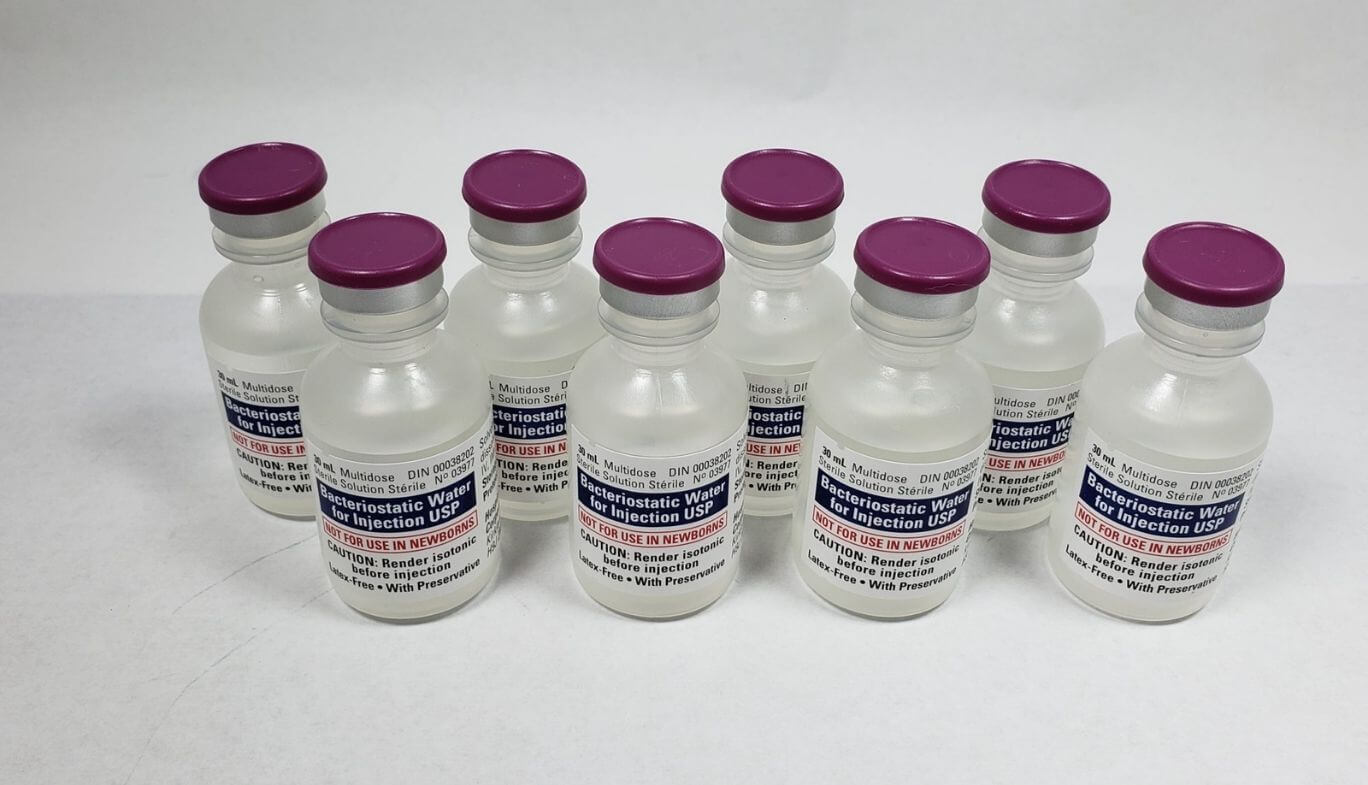
Can You Buy BAC Water Over the Counter?
This question comes up constantly because people want an efficient way to restock injection supplies. The honest answer is: availability varies by country and by local regulations, and the “over the counter” route may not apply everywhere.
In some places, bacteriostatic water may be sold without a prescription through medical supply stores or pharmacies; in others, it may require a prescription or professional authorization, even if it’s relatively simple as a sterile diluent. Restrictions can also change over time.
In my hands-on experience helping teams plan supply procurement, the best approach is to treat this as a compliance question, not just a shopping question. If the product you need is for reconstitution of a specific medication, the pharmacy that provides the drug may also supply the diluent—or at least specify what diluent is permitted—so you stay aligned with approved instructions.
Where People Typically Get Bacteriostatic Water
- Pharmacies: sometimes available directly or as part of a supply package.
- Medical supply retailers: availability depends on jurisdiction and product listing.
- Clinics and compounding pharmacies: may provide it based on the preparation plan.
If you’re specifically trying to answer “can you buy bac water over the counter,” the practical step is to check local purchasing rules in your area and confirm whether the product requires a prescription or can be sold directly by a retailer.
Important Handling and Safety Considerations (What People Often Get Wrong)
Bacteriostatic water isn’t a license for unsafe technique. The bacteriostatic agent is there to inhibit growth, but contamination can still occur at the moment a vial is punctured or if storage conditions aren’t followed.
Follow the Medication’s Instructions
Different drugs have different stability windows after reconstitution (and sometimes after dilution). Even if the diluent allows multiple entries, the drug mixture may have a shorter usable timeframe. Always use the instructions provided by the prescriber/pharmacy for that specific medication.
Use Proper Sterile Technique
- Use clean, sterile supplies and correct needle/syringe technique.
- Avoid touching the vial stopper or needle tip.
- Maintain appropriate storage temperature and protect from conditions the medication instructions warn against.
Label Your Vials and Track Draw Dates
In real-world handling, the biggest preventable issue is losing track of “when it was mixed” or “when it was first punctured.” I recommend labeling with date/time of reconstitution and keeping a consistent system for tracking.
Watch for Compatibility Issues
Not every injectable powder is intended to be reconstituted with every diluent. Compatibility depends on the drug’s formulation. If your medication instructions specify bacteriostatic water (or do not), don’t improvise—stick to the approved method.
Pros and Cons of Using Bacteriostatic Water
| Aspect | Benefits | Limitations |
|---|---|---|
| Multi-dose workflows | Designed to help inhibit microbial growth between punctures when used correctly | Does not eliminate contamination risk; technique and storage still matter |
| Convenience | Can reduce waste when reconstituting powders for planned dosing | Usable time depends on the medication, not only the diluent |
| Decision-making | Often recommended in specific reconstitution/dilution instructions | May be restricted by local regulations and retailer policies |
FAQ
Can you buy bac water over the counter?
It depends on your location. In some areas it may be sold without a prescription through pharmacies or medical supply retailers, while in other areas it may require a prescription or professional authorization. Check local purchasing rules and confirm what your specific medication’s instructions allow.
Is bacteriostatic water safe to use for reconstitution?
When used exactly as directed for the intended injectable medication and handled with sterile technique and correct storage, it is commonly used as a reconstitution diluent. Safety still depends on the drug’s compatibility and stability after mixing.
How long can bacteriostatic water be used after opening?
Bacteriostatic water itself is designed for multiple entries, but the practical “usable period” depends on the medication mixture’s stability and storage guidance provided for that specific drug. Use the drug instructions, not assumptions about the diluent alone.
Conclusion: What to Do Next
Bacteriostatic water for injections is mainly used to reconstitute or dilute injectable medications—often for multi-dose workflows—where a bacteriostatic agent helps inhibit microbial growth. The key takeaways are to follow your medication’s specific preparation and storage instructions and to confirm local purchasing rules when you’re asking can you buy bac water over the counter.
Next step: If you have a specific injectable medication in mind, get the reconstitution/dilution instructions from your prescriber or pharmacy and then check your local retailer/pharmacy options for the exact diluent they approve.
Discussion