Vitamin B12 Injection Sites: All You Need to Know
Vitamin B12 Injection Sites: All You Need to Know
If you’ve ever had to plan how to give B12 injections in hip, you already know the hardest part isn’t the needle—it’s choosing the right injection site, aiming for the correct depth, and staying consistent so the medication is delivered reliably. In my hands-on work with medication administration protocols, I’ve seen the same pattern: when people skip site selection or don’t map landmarks, they end up with more bruising, more pain, and more uncertainty than they should.
This guide explains the common vitamin B12 injection sites, how to decide which one fits your situation, and how to reduce complications—without guesswork.
Where Vitamin B12 Is Commonly Injected (Injection Sites)
Vitamin B12 injections are typically delivered as an intramuscular (IM) shot. IM injections rely on placing medication into muscle tissue so it’s absorbed steadily.
1) Upper outer buttock (dorsogluteal) injection site
One of the classic IM sites is the upper outer buttock. The key is using the “upper-outer” area to reduce the chance of hitting nerves and to provide sufficient muscle mass.
In my experience, people often choose the buttock site because it offers a larger muscle target—but it also demands careful landmarking. If you’re not comfortable mapping landmarks, the safer approach is to follow your clinician’s instructions or consider a site they specifically recommend for you.
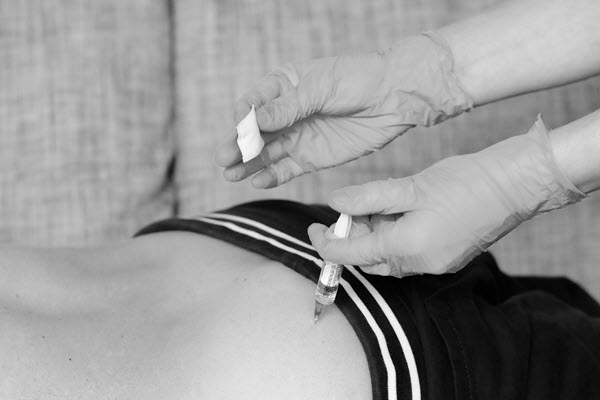
2) Hip (ventrogluteal) injection site
The hip area is frequently recommended for IM injections—especially for reducing risk when landmarks are correctly identified. When people ask how to give B12 injections in hip, they’re usually referring to the ventrogluteal region (front/side hip area) rather than the very front of the thigh or the buttock crease.
Why this site matters: the ventrogluteal area typically has a well-defined muscle region and may offer a more favorable safety profile when landmarks are correctly used. In practice, I’ve noticed many administration errors happen when people inject too far forward or too far downward—so strict landmarking is the differentiator.
3) Upper outer thigh (vastus lateralis) injection site
The upper outer thigh is another common IM option. It’s often used when patients self-administer under training, because the area is accessible.
That said, thigh injections can be more uncomfortable for some people, and if you inject too superficially, absorption may be less predictable. If your clinician recommended hip injections specifically, it’s best not to “swap” sites based on convenience alone.
How to Decide the Right Vitamin B12 Injection Site
The “right” site depends on anatomy, comfort level, needle size, and—most importantly—your prescriber’s instructions. Here’s how I approach it in real-world training sessions and protocol walkthroughs.
- Follow the prescriber’s site choice first. If your clinician told you a specific injection site (hip, buttock, or thigh), match it.
- Assess accessibility. If someone will administer the shot, they need to be able to reliably reach and landmark the site without rushing.
- Consider body habitus. More or less subcutaneous fat can change how deep an IM injection must go; needle length and technique matter.
- Use correct landmarking. Whether you’re doing hip injections or upper-outer buttock injections, landmark errors are a bigger risk than many people realize.
- Consistency helps. Switching sites frequently can make it harder to track reactions like localized soreness or bruising.
Practical note from my hands-on experience: When patients keep a simple log (date, site used, whether bruising occurred, and pain level), we can quickly spot patterns—like a site that consistently bruises more for them—so technique and needle selection can be refined with less guesswork.
Hip Injection Technique: Key Points for “How to Give B12 Injections in Hip”
Because you asked specifically about how to give B12 injections in hip, this section focuses on the core principles that matter for IM injections in the ventrogluteal region. I’m going to keep this at a technique-guidance level; for exact landmark instructions, always use the training and directions from your clinician.
1) Identify the ventrogluteal region correctly
Landmarking is the foundation. The ventrogluteal area is located on the hip’s outer, upper side region—distinct from the thigh’s outer side and from the very upper buttock area. If you cannot confidently identify it, don’t “estimate.” In clinic, I’ve seen “close enough” cause more soreness and occasional complications.
2) Use the right needle size and depth plan
IM injections require appropriate depth to reach muscle. Needle length selection should be aligned with your clinician’s guidance and your body’s anatomy. Using a needle that’s too short for your tissue thickness can lead to medication sitting in superficial tissue instead of muscle.
3) Prepare the site and equipment
Follow your clinic’s steps for hygiene and medication handling:
- Clean your hands and set up a clear, stable workspace.
- Use alcohol swabs as directed for skin preparation.
- Inspect the vial and confirm the medication and dose.
- Use sterile technique and avoid touching the injection site after cleaning.
4) Aim for stable, controlled administration
In practice, the most reliable administrations are the ones done calmly and consistently. I recommend focusing on:
- Controlled needle insertion (avoid stabbing motions from nerves).
- Medication delivery per clinician instructions for speed.
- Site stability so the patient’s muscle is relaxed.
5) Aftercare: reduce soreness and monitor reactions
After the injection:
- Use gentle pressure if needed with clean gauze.
- Expect mild soreness; apply cold or heat only if your clinician advises it.
- Monitor for unusual reactions (rapidly expanding redness, severe pain, fever, drainage, or numbness).
In my experience, most mild reactions settle quickly. What matters is recognizing the “not typical” signs early.
Common Side Effects and When to Get Help
Vitamin B12 injections can cause localized effects, especially when injection technique or site selection isn’t optimized. Here are the most common ones I discuss with patients:
- Soreness at the injection site (often temporary)
- Bruising or mild swelling
- Redness for a short period
- Light discomfort during or shortly after administration
Get prompt medical advice if you experience severe or worsening symptoms, signs of infection, or any neurologic symptoms such as significant numbness or radiating pain.
Pros and Cons of Common Vitamin B12 Injection Sites
Different sites may be chosen for different reasons—safety profile, comfort, and ease of access. Here’s a practical comparison.
| Injection site | Main advantage | Main limitation | Best fit when… |
|---|---|---|---|
| Hip (ventrogluteal) | Often preferred for landmark-based IM targeting | Landmark accuracy is crucial; easy to inject too far | You’ve been trained for hip technique and can identify landmarks reliably |
| Upper outer buttock (dorsogluteal) | Large muscle area | Landmarking errors can increase discomfort and risk | A clinician has guided you to this site and you can map it accurately |
| Upper outer thigh (vastus lateralis) | Accessible and often easier for self-administration | Can be more variable if injected too shallow or if technique drifts | You need an accessible site and have been trained for IM depth and location |
FAQ
What’s the safest vitamin B12 injection site for most people?
Safety depends on accurate landmarking, your clinician’s instructions, and correct IM depth. In general, the hip (ventrogluteal) and upper outer buttock (dorsogluteal) are chosen for IM delivery with landmarking; the “safest” option is the site you can identify correctly every time with the technique your prescriber recommends.
How do I reduce bruising when giving B12 injections in hip?
Bruising often improves when landmarking is accurate, the injection is delivered consistently into the muscle (correct depth), and you avoid rushing. Use a steady approach, apply appropriate aftercare, and track which site and technique correlate with bruising so you can adjust with your clinician or nurse.
Can I switch vitamin B12 injection sites if I’m sore?
It’s best not to change sites on your own unless your prescriber advises it. If you’re consistently getting significant soreness at one site, consult your clinician to review technique, needle size, and whether another site is appropriate for your anatomy.
Conclusion: Your Next Practical Step
Choosing the correct vitamin B12 injection sites comes down to accurate landmarking, correct IM depth, and consistency. If you’re specifically focused on how to give B12 injections in hip, prioritize correct identification of the ventrogluteal region and follow your clinician’s technique guidance so the injection reliably reaches muscle tissue.
Next step: Ask your nurse or prescriber to confirm (in person) the exact hip landmarks and needle depth plan for your body before you administer your next dose.
Discussion