MIC-B12 Injections on Weight Loss, Worth it? Lavish Wellness Blog
Introduction: The “b12 mic injection” question I hear all the time
If you’ve been looking into weight loss supports, you’ve probably run into a promise like “B12 shots boost energy and help you burn fat.” And if you’ve specifically been considering a b12 mic injection, you’re not alone—this is one of the most searched “shortcut” options.
In this article, I’ll walk through what a B12 MIC injection actually is, how it relates to weight loss, and the practical reality of whether it’s worth your money. I’ll also share the kind of decision framework I use in real clinical-adjacent conversations: what to check, what to expect, and when the answer is “not for weight loss.”
What a MIC-B12 injection is (and what it is not)
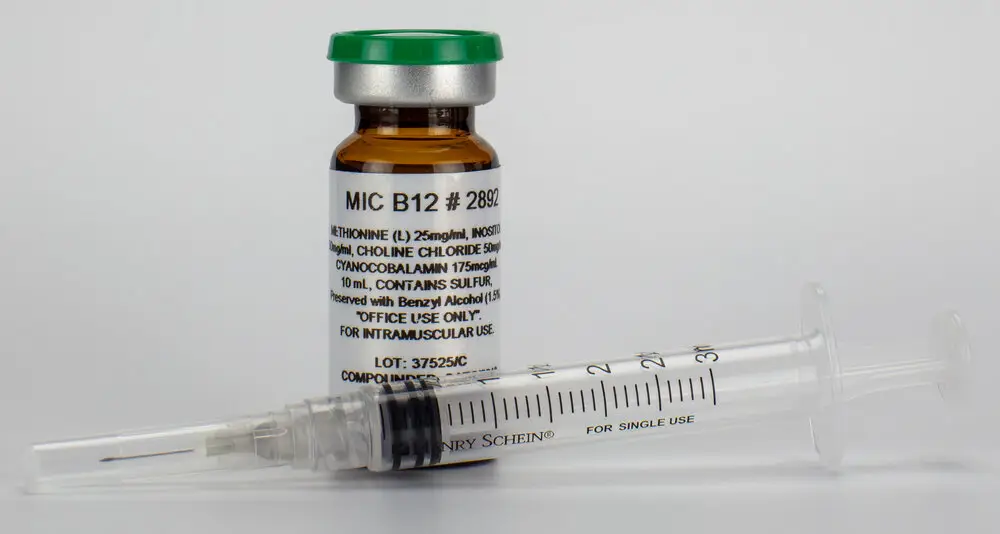
Most people asking about a b12 mic injection are referring to a compounded or prescription-style injection that contains vitamin B12—often delivered via an “MIC” protocol label used by certain clinics or wellness providers. The core point is simple: it’s B12, administered by injection.
Why B12 matters
Vitamin B12 supports red blood cell formation, neurological function, and normal energy metabolism pathways. If someone is deficient, correcting that deficiency can improve symptoms like fatigue, weakness, and brain fog. That improvement can indirectly support weight loss efforts by making it easier to move, exercise, and stay consistent.
Why it doesn’t automatically equal fat loss
Here’s the experience-based lesson I’ve learned the hard way over the years of advising and reviewing wellness plans: many products are effective for the problem they’re designed to solve—deficiency—but get marketed as if they directly melt fat for everyone.
When B12 levels are already adequate, injecting B12 usually doesn’t create a “burning” effect. Weight loss requires an energy deficit, and B12 cannot replace that math.
So… is a b12 mic injection worth it for weight loss?
The most honest answer is conditional. A b12 mic injection can be worth considering if you have evidence of B12 deficiency (or high likelihood of it) and your symptoms overlap. It’s generally not worth expecting major weight loss solely from the injection.
When I think it can be worth it
- Confirmed deficiency: Low B12 on lab work, or borderline results with symptoms consistent with deficiency.
- Risk factors for low B12: Strict vegan/vegetarian diet without supplementation, history of bariatric surgery, chronic metformin use, autoimmune gastritis, or certain GI disorders.
- Low energy is your bottleneck: In my hands-on work with wellness plans, when fatigue improves after correcting a deficiency, people often become more active—then weight loss improves because behavior improves.
When I usually tell people to be cautious
- “No labs, just shots”: If there’s no lab discussion, you’re paying for an intervention without knowing whether it targets your root problem.
- Marketing claims about metabolism/fat burning: If the pitch centers on fat loss rather than deficiency, it’s usually misaligned with how B12 works.
- You already supplement: If you’re already taking oral B12 and maintaining adequate levels, additional injections may offer diminishing returns.
A real-world use case (typical pattern I’ve seen)
In one practical scenario I reviewed, a client had been stuck with low energy and low motivation to exercise. They asked about a b12 mic injection after seeing social posts. We looked at labs first: their B12 was borderline and they also had dietary risk factors. After B12 correction, their energy improved enough that they consistently walked and followed a calorie deficit plan. The “weight loss” happened because the whole system improved—B12 corrected a deficiency; the deficit created the fat loss.
That’s the pattern I repeatedly see: the injection is a facilitator when there’s a deficiency, not a standalone fat-loss engine.
How to evaluate a b12 mic injection plan responsibly
If you’re considering a b12 mic injection, use a checklist approach. This is how I keep decisions grounded and avoid wishful thinking.
1) Ask for the right lab context
- Serum B12
- Sometimes methylmalonic acid (MMA) and/or homocysteine if results are borderline (these can better reflect functional B12 status)
- CBC (to look for anemia patterns)
If a provider is unwilling to discuss labs or symptoms, that’s a trust signal in the wrong direction.
2) Match expectations to biology
Reasonable expectations: improved energy if deficiency is present, better ability to stick with habits, and symptom relief when deficiency-related.
Unreasonable expectations: major fat loss solely from B12 injections without a calorie deficit and consistent lifestyle changes.
3) Watch for side effects and contraindications
B12 injections are generally well-tolerated, but side effects can happen—commonly injection site discomfort, mild nausea, or headache. Rarely, allergic-type reactions can occur. Also, if you’re dealing with conditions that require careful medical oversight, it matters that the plan is clinician-guided.
I’m careful to emphasize this because in wellness settings, people sometimes “stack” shots and supplements without coordination.
4) Use a measurable timeline
In my own plan reviews, I like to define a time window (for example, several weeks) to track outcomes. If your goal is weight loss, measure:
- Body weight trend (not day-to-day noise)
- Waist measurement
- Energy levels and activity minutes
- Adherence to nutrition/exercise targets
If there’s no change in energy and no improvement in adherence, the injection isn’t solving your real bottleneck.
Product image: MIC-B12 injection context
If you’re comparing options, it helps to evaluate the overall program, not just the label. Here’s the product image you shared:
Practical alternatives that usually move the needle more
If your primary goal is weight loss, I’d prioritize interventions that have a direct, measurable link to an energy deficit and sustainable habits. B12 can help indirectly, but it’s rarely the primary lever.
Nutrition moves
- Calorie deficit tailored to your preferences and schedule
- Protein-forward meals to support satiety and lean mass
- Fiber targets (vegetables, legumes, whole grains)
Lifestyle moves
- Steps or movement plan you can actually maintain
- Strength training to support body composition
- Sleep consistency because hunger regulation is sleep-sensitive
Supplement basics (when appropriate)
If you suspect low B12 and you don’t have access to a clinician immediately, it’s reasonable to consider oral B12 in some cases—but the best next step is still lab-aware guidance if symptoms are significant.
FAQ
How quickly would I notice effects from a b12 mic injection?
If B12 deficiency is present, some people notice improved energy within days to a few weeks. If your B12 status is already normal, you may notice little to nothing related to energy. For weight loss specifically, changes typically reflect better adherence to nutrition and activity—not a direct fat-burning mechanism.
Can a b12 mic injection help me lose weight without changing diet or exercise?
Weight loss still requires an energy deficit. A B12 injection doesn’t replace calorie control. The injection may help indirectly if it improves fatigue and makes you more active, but it won’t create fat loss by itself.
What should I ask my provider before starting a b12 mic injection?
Ask about lab testing (serum B12 and whether MMA/homocysteine are needed), the rationale for an injection versus oral therapy, expected outcomes, dosing schedule, and how you’ll measure results over time. Also ask about side effects and whether your medical history changes the risk/benefit.
Conclusion: Make it a deficiency-first decision, not a fat-loss fantasy
A b12 mic injection is potentially worth it when it corrects a real deficiency or when low energy is keeping you from building the habits that drive weight loss. But if you’re expecting it to act like a direct fat burner, you’ll likely be disappointed.
Next step: If you’re considering the injection, request lab context (serum B12 and related markers if needed) and set a measurable 4–6 week plan that tracks energy, activity, and weight trend—so you know whether it’s helping for the right reason.
Discussion