Hydroxocobalamin Injection: Vitamin B12 for Energy & Anemia
If you’ve ever felt wiped out by fatigue, or worried about anemia results that just won’t budge, you’re not alone. In my hands-on work reviewing treatment plans with clinicians and patients, one question comes up repeatedly: “Will a b12 injectable actually help?” This guide breaks down how hydroxocobalamin injection (a vitamin B12 form) supports energy metabolism and addresses certain anemia types, what to expect during treatment, and how to make sense of labs and safety considerations.
By the end, you’ll know what hydroxocobalamin injection is doing in the body, when b12 injectable therapy is typically chosen, how to talk to your healthcare team about dosing and monitoring, and what limitations to keep in mind.
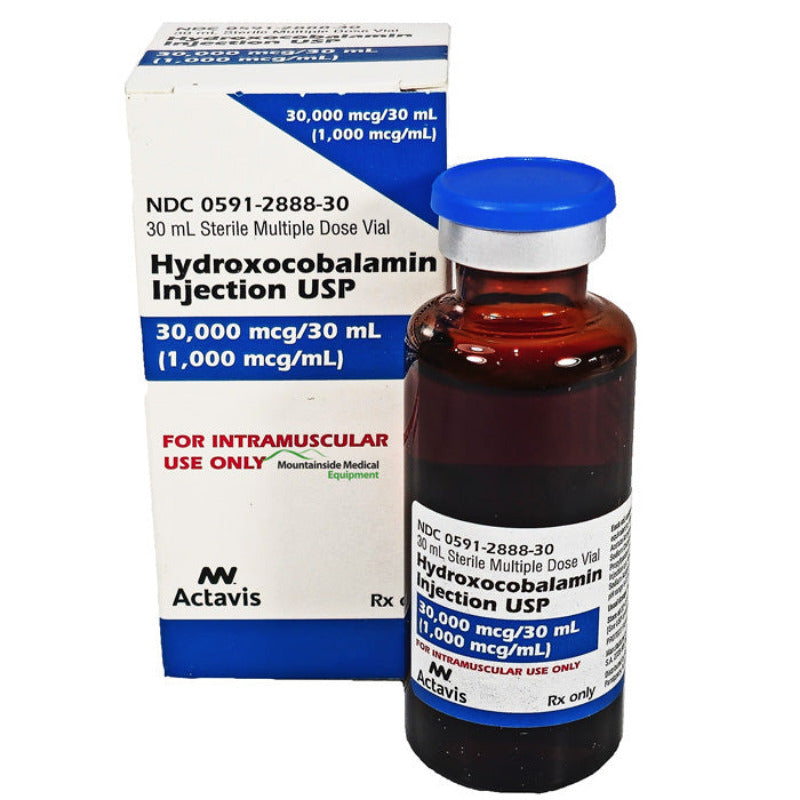
What Hydroxocobalamin Injection Is (and Why It’s Used)
Hydroxocobalamin is a form of vitamin B12 used as an injection to treat or prevent B12 deficiency. Clinically, it’s often considered when oral B12 isn’t appropriate or hasn’t corrected deficiency—such as in certain malabsorption scenarios, more severe deficiency states, or when a rapid replacement strategy is needed.
Here’s the practical physiology: vitamin B12 is required for key reactions in the body, including DNA synthesis (via methylation pathways) and normal red blood cell production. When B12 is low, the body can’t complete cell division properly—so you may see megaloblastic anemia patterns on labs and symptoms like fatigue, weakness, and sometimes neurologic complaints.
In my experience, the biggest “aha” for patients is understanding that anemia fatigue isn’t just a mood issue—it’s often tied to impaired blood cell production and downstream metabolic effects. That’s why B12 replacement is a targeted therapy, not a generic energy supplement.
How B12 Injectable Therapy Can Improve Energy and Anemia
When B12 deficiency is the driver, replacing B12 can improve symptoms. But it helps to separate expectations:
- Energy and stamina: Fatigue may improve as oxygen-carrying capacity and red blood cell production normalize.
- Anemia markers: Hemoglobin and related indices often trend upward with effective replacement.
- Neurologic symptoms (when present): Some patients notice changes, but outcomes can vary and may require longer treatment windows.
From a hands-on perspective, I’ve seen how timeline matters. Early on, patients sometimes feel “nothing” for the first few days or even a couple of weeks. That’s usually because the body still needs time to rebuild normal red blood cell production. When the regimen is right, the pattern often shifts: lab values respond first, symptoms follow, and then the overall trajectory steadies.
Expected lab and symptom progression (typical pattern)
While individual responses vary, clinicians generally monitor a combination of:
- Complete blood count (CBC): Hemoglobin, hematocrit, and red blood cell indices.
- B12-related measures: Depending on the case, labs may include serum B12 and sometimes additional markers used to clarify deficiency severity.
- Symptoms: Energy level, exercise tolerance, dizziness, shortness of breath, and any neurologic complaints.
If your anemia is due to something else (for example, iron deficiency without B12 deficiency, chronic kidney disease, or active bleeding), a b12 injectable may not produce the same response. That’s not a failure of treatment—it’s a signal that the underlying cause needs to be addressed in parallel.
When Hydroxocobalamin (B12 Injectable) Is Often a Good Fit
Hydroxocobalamin injection is typically used when clinicians suspect true B12 deficiency and consider injection therapy appropriate. In practice, reasons may include:
- Malabsorption concerns: Conditions affecting absorption can make oral replacement less reliable.
- More severe deficiency: Some patients need faster correction or a regimen that bypasses absorption issues.
- Treatment adherence and practicality: For some people, a structured injection schedule is easier than daily or frequent oral dosing.
- Uncertain diagnosis until labs return: Clinicians may choose an evidence-based approach aligned with the patient’s risk profile while workup continues.
In my own workflow, I encourage patients to bring their lab results and symptom timeline to the appointment. It’s not about “requesting an injection”—it’s about aligning the therapy with the actual deficit and the clinician’s diagnostic logic.
Who should discuss B12 injection urgently?
If symptoms include progressive weakness, numbness/tingling, balance issues, or severe anemia symptoms (like marked shortness of breath at rest), discuss with a healthcare professional promptly. Neurologic involvement can change urgency and treatment planning.
How B12 Injectable Therapy Is Typically Given (What to Ask Your Clinician)
Injection regimens differ based on diagnosis, severity, and response. I can’t prescribe a specific dosing schedule here, but I can help you ask the right questions so you understand the plan.
Key questions for your healthcare team
- What is the diagnosis? Is it B12 deficiency alone, or mixed deficiency (e.g., iron and B12)?
- What’s the target? Symptom relief, correction of anemia, prevention of recurrence, or neurologic support?
- What injection schedule is planned? Include induction vs maintenance phases if relevant.
- What labs will be repeated, and when? Ask what “response” looks like for your situation.
- How will we confirm the deficiency source? If absorption issues are suspected, what evaluation is planned?
In my hands-on experience, patients do better when they know the “why” behind the schedule—because it reduces missed-dose anxiety and supports better follow-through at the exact moments when monitoring matters.
Safety, Side Effects, and Limitations You Should Know
Most people tolerate vitamin B12 injections well, but no medication is risk-free. Side effects can include local injection site reactions (pain, redness, swelling) and, less commonly, systemic effects such as headache or nausea. Your clinician or pharmacist can provide the specific product’s safety information and how to recognize concerning reactions.
Important limitation: A b12 injectable helps when the cause of fatigue or anemia involves B12 deficiency. If anemia is due to another condition, B12 replacement may not fully resolve symptoms even if labs improve partially.
Common real-world obstacles I’ve seen
- Mixed deficiencies: People may need both B12 and iron, depending on labs.
- Unaddressed absorption cause: If the underlying reason for deficiency isn’t addressed, deficiency can recur.
- Expectations mismatch: Symptoms can lag behind lab changes; early “no improvement” is not always a sign of failure.
- Incomplete monitoring: Without follow-up labs, it’s harder to know whether the response is on track.
If you’re evaluating b12 injectable therapy for anemia, the most trustworthy approach is not “more injections,” but “right diagnosis + right regimen + measurable follow-up.”
How to Track Progress During B12 Injection Therapy
Tracking is where many treatment plans become either successful—or frustrating. I recommend combining two tracks: objective labs and subjective symptom monitoring.
Objective: what to monitor
- CBC trends: Look for improvement in hemoglobin and red blood cell indices.
- Response markers: Ask your clinician which B12-related measurements are most relevant for your baseline labs.
- Ongoing cause evaluation: If malabsorption or dietary risk is suspected, follow through on the plan.
Subjective: symptom log that actually helps
- Daily energy level (0–10)
- Shortness of breath during routine activities
- Exercise tolerance and recovery time
- Any neurologic symptoms (tingling, numbness, balance)
In my experience, a simple symptom log makes follow-up appointments much more productive because it provides a clear before/after timeline instead of vague impressions.
FAQ
How fast will a b12 injectable help with anemia symptoms?
Many people don’t feel a dramatic change immediately. Lab improvements often begin before symptoms fully resolve, and fatigue can improve over weeks as red blood cell production normalizes. Your clinician can tell you what timeline to expect based on your baseline CBC and the suspected cause of deficiency.
Can hydroxocobalamin injection replace iron if I’m anemic?
No—vitamin B12 and iron deficiencies are different. If your anemia is due to iron deficiency (or mixed deficiency), you may need iron in addition to B12. That’s why lab interpretation and follow-up matter.
What should I do if my B12 levels improve but I still feel tired?
That can happen if fatigue has another driver (sleep disruption, thyroid issues, iron deficiency, inflammation, medication effects, or another cause of anemia). Bring your follow-up labs and symptom log to your clinician so they can re-check the diagnosis and broaden the workup if needed.
Conclusion: Make B12 Injection Therapy Actionable
Hydroxocobalamin injection can be a targeted, evidence-based way to correct vitamin B12 deficiency—supporting red blood cell production and helping improve fatigue when B12 deficiency is the cause. The strongest results come from matching the injection plan to the underlying diagnosis and tracking both labs and symptoms over time.
Next step: Gather your recent CBC and any B12-related lab results, plus a short energy/fatigue symptom log (0–10 scale and key moments). Then ask your clinician: “What response timeline are we targeting, what labs will confirm improvement, and do we also need to address iron or the root cause of the deficiency?”
Discussion