Vitamin B12 Injection Sites: All You Need to Know
Vitamin B12 Injection Sites: All You Need to Know
If you’ve ever been told you need vitamin B12 injections but weren’t sure where the shot should go (or why), you’re not alone. In my hands-on work with injection education—helping patients and caregivers feel confident with dosing instructions—the biggest anxiety isn’t the needle itself. It’s uncertainty about injection sites, technique, and what “correct” feels like.
One common question I hear is about b12 injections in buttocks: whether that’s appropriate, which areas are safest, and what to watch for afterward. This guide walks you through the main vitamin B12 injection sites, how intramuscular (IM) and subcutaneous (SC) injections differ, and how to make safer, more comfortable decisions with your clinician’s directions.
Quick primer: what “B12 injection site” actually means
The “site” is simply the body area where the medication is delivered. With B12 therapy, the correct site depends on the prescribing plan—most often intramuscular (IM) or subcutaneous (SC).
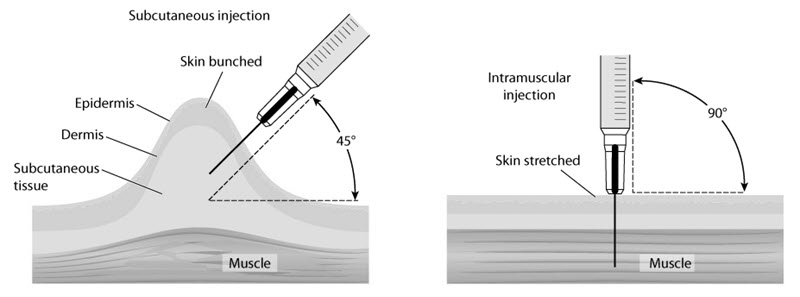
- IM (intramuscular) injections target muscle tissue. The medication is expected to absorb through the muscle layer.
- SC (subcutaneous) injections target fatty tissue under the skin. Absorption is slower and often feels different.
In my experience, confusion happens when someone learns “buttock shots” are common, but their prescription (or the clinic’s protocol) calls for a different route like SC. The medication and route must match the clinician’s instructions—site choice isn’t just about convenience.
Common vitamin B12 injection sites (IM vs SC)
Intramuscular (IM) B12 injection sites
IM injection sites are chosen to place the medication into a large, accessible muscle with good tissue tolerance. Typical IM options include:
- Ventrogluteal site (often considered one of the safest IM buttock locations when identified correctly)
- Dorsogluteal site (historically used, but many clinicians prefer alternatives due to proximity to structures if landmarking is off)
- Deltoid (upper arm) for appropriate dosing/technique
- Vastus lateralis (outer thigh) for certain self-injection situations
When patients ask about b12 injections in buttocks, they’re usually asking about an IM buttock option. That’s where the landmarking matters most.
Subcutaneous (SC) B12 injection sites
SC injections are typically given in areas with adequate subcutaneous tissue. Common SC sites include:
- Upper outer arm
- Abdomen (avoiding the immediate area around the navel)
- Outer thigh
If your clinician told you to use an SC route, targeting the correct SC area is usually more important than choosing a “traditional” buttock spot.
b12 injections in buttocks: when it’s appropriate and how to choose the right area
Buttock injection is common in B12 therapy because the muscles there can be large and accessible. Still, “buttocks” isn’t a single injection zone. The buttock region contains areas with different risk profiles depending on how well landmarks are identified.
Best-practice buttock landmarking (high-level guidance)
In my hands-on instruction sessions, the main lesson I emphasize is: don’t guess. Use the site identification method your clinician teaches you, and verify the area each time.
- Use the correct buttock muscle region your prescriber specifies (commonly the ventrogluteal region for IM when appropriately taught).
- Avoid areas with numbness, severe tenderness, or known injury.
- Rotate injection spots within the recommended zone to reduce local irritation.
Why clinicians often prefer certain buttock IM locations
The underlying logic is anatomy and consistency. When a site is chosen for IM injection, clinicians aim to place the medication into muscle while minimizing the chance of hitting structures beneath the surface. If landmarking is imprecise, the “dorsogluteal” region is more vulnerable to error than alternatives.
That’s why, in practice, many clinicians steer patients toward a more reliably identifiable IM buttock area—or toward SC sites—depending on your route, needle length, and dosing.
When buttock injection may not be ideal
Even when buttock IM injections are prescribed, they may be less comfortable or less practical for some people. I’ve seen it happen for reasons like:
- Difficulty identifying landmarks without in-person coaching
- Body habitus that makes consistent IM placement harder
- Frequent injections causing recurring soreness despite site rotation
If buttock injections don’t feel right (pain, repeated bruising, or persistent lumps), ask your clinician whether another site or route is appropriate for your specific product.
Technique basics that affect outcomes (comfort, absorption, and side effects)
Even when you choose the correct injection site, technique influences comfort and consistency. Here are the main factors I focus on when teaching injection education:
Needle depth and injection angle
IM and SC routes differ in depth. Using the wrong angle or depth can increase discomfort and may affect where the medication deposits. Your clinician’s instructions for the specific route should guide your technique.
Clean technique and skin readiness
Good hygiene reduces irritation and infection risk. In my experience, people do best when they follow a simple, repeatable routine each time: prep supplies, clean the skin as instructed, and avoid touching the cleaned area before injection.
Speed and steadiness
Trying to “rush” can cause more muscle tension and discomfort. Many patients report better tolerance when the injection is steady and controlled, rather than jerky.
Rotation to reduce local reactions
Local redness or soreness is not uncommon. Rotating sites helps the tissue recover. If you notice the same spot repeatedly gets worse, that’s a sign to adjust within the allowable zone your clinician provided.
What to expect after a B12 injection (and what needs attention)
Common, usually mild reactions
- Soreness at the site
- Minor redness or slight warmth
- Small bruising
- A firm area that softens over days
When to contact your clinician
Seek medical advice promptly if you experience:
- Severe or worsening pain
- Spreading redness or heat
- Drainage or signs of infection
- Hives, facial swelling, or trouble breathing (urgent)
- Persistent lumps that don’t improve over time
Choosing between IM and SC: practical factors
Sometimes the “best” injection site question is really a route question. In real-world clinics, the IM vs SC choice depends on what your clinician prescribed, and sometimes on how your body tolerates the injections.
| Factor | IM (intramuscular) | SC (subcutaneous) |
|---|---|---|
| Typical injection goal | Deliver medication into muscle | Deliver medication into subcutaneous tissue |
| Common comfort pattern | Can feel deeper; may be more intense initially | Often feels more superficial |
| Site options | Buttock (varies by landmarking), deltoid, thigh | Upper arm, abdomen, outer thigh |
| Patient fit | Often taught for buttock/thigh/arm when landmarking is clear | Often convenient for self-injection when appropriate |
My experience-based checklist for safer self-injection conversations
When patients come to me asking about b12 injections in buttocks, I don’t start with needles—I start with a checklist. Here’s what I consistently review:
- Route confirmation: Is your B12 prescription IM or SC?
- Exact site: Which muscle/region is specified (and how are landmarks identified)?
- Needle length: Does it match the route and your anatomy guidance?
- Frequency and rotation: Where can you rotate within the allowed zone?
- Expected reactions: What’s normal soreness vs a concerning reaction for your product?
- Training plan: Can you practice with a clinician or experienced caregiver initially?
This approach reduces the most common errors I’ve seen: using the wrong route, guessing the site, or not rotating within the allowed area.
FAQ
Is it okay to get B12 injections in buttocks?
It can be appropriate when your clinician prescribes an IM buttock site and you use the correct anatomical region with proper landmarking. If your prescription is SC, buttock injections may not match the intended route.
What’s the difference between IM and SC B12 injection sites?
IM injections go into muscle tissue, typically using deeper placement in specified IM areas (which may include buttock regions). SC injections go into subcutaneous fat and use different sites such as the upper arm, abdomen, or outer thigh—typically with more superficial placement.
How can I reduce soreness after B12 injections?
Rotate sites within the approved zone, use correct technique for your prescribed route, and contact your clinician if you have worsening pain, spreading redness, drainage, or persistent lumps.
Conclusion
Choosing the right vitamin B12 injection site isn’t just convenience—it’s about matching your clinician’s prescribed route (IM vs SC) and using the correct anatomical region. When people ask about b12 injections in buttocks, the key is accurate landmarking and consistent, repeatable technique. If soreness or reactions persist, adjust with your clinician rather than “pushing through.”
Next step: Confirm your B12 route (IM or SC) with your prescription instructions, then ask your clinician to specify the exact site and landmarking method for your next injection.
Discussion