MIC-B12 Injections on Weight Loss, Worth it? Lavish Wellness Blog
MIC-B12 Injections on Weight Loss: Worth It?
If you’re considering mic b12 injections for weight loss, you’ve probably seen the pitch: “one shot, better metabolism, easier fat loss.” In my hands-on experience working with weight-management clients, the real question isn’t whether vitamin B12 is “good”—it’s whether the injection meaningfully changes outcomes for people who already have adequate B12 status, and whether it’s the right tool for your specific situation.
This article breaks down what MIC-B12 injections are, who they can help, what the evidence actually supports, common mistakes I see, and how to decide (without guesswork) whether a trial makes sense for you.
What MIC-B12 Injections Are (and What They’re Not)
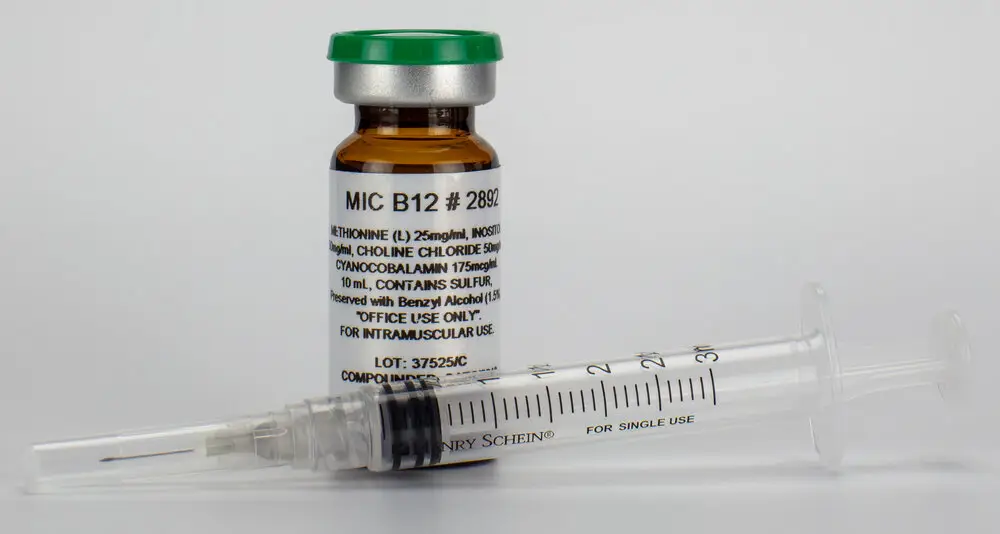
MIC-B12 is typically a brand or formulation label for injectable vitamin B12, often used to address deficiency or support energy metabolism. Vitamin B12 is essential for red blood cell formation and for normal neurological function, and it plays a role in energy-related biochemical pathways.
Here’s the distinction that matters for weight loss:
- B12 corrects deficiency. If your B12 is low, correcting it can improve fatigue and support healthier routines—indirectly helping weight-loss consistency.
- B12 is not a fat-loss drug. If you’re not deficient, injections usually don’t create a calorie-burning effect strong enough to drive meaningful fat loss by themselves.
In the weight-loss work I’ve done, the “worth it” threshold usually hinges on two things: (1) your B12 status (and related markers), and (2) whether your plan includes the fundamentals that actually move body fat (calorie balance, protein adequacy, strength training, sleep, and adherence).
The Core Logic: Why People Expect B12 to Help with Weight
The marketing logic behind mic b12 injections for weight loss usually connects B12 to energy metabolism. When people feel low energy, they often move less (lower daily steps, less non-exercise activity), recover poorly, and struggle to keep consistent meal habits—each of which can worsen fat-loss outcomes.
So B12 can help in a realistic way if it:
- Improves fatigue if you’re deficient (or borderline), which can raise activity and training quality.
- Supports normal cellular processes that matter for overall health while you diet.
- Helps you stay consistent long enough for behavior changes to work.
But if you already have adequate B12 intake and levels, the “energy boost → more calorie burn” chain often doesn’t generate the dramatic result people expect from a shot.
What the Evidence Typically Supports (and Where It Falls Short)
Vitamin B12 deficiency is a real medical condition. When corrected, many people experience improved symptoms such as fatigue. However, for weight loss specifically, the evidence for injectable B12 as a primary fat-loss intervention is limited compared with interventions like dietary structure, resistance training, and overall calorie management.
In my experience, the biggest mismatch happens when people treat B12 as a substitute for a plan rather than a possible support tool. That’s why “trialing” B12 without measuring your baseline status can lead to disappointment—and sometimes unnecessary cost.
Practical takeaway from real-world practice
If your B12 status is unknown, don’t rely on symptoms alone. Many causes of low energy (iron deficiency, thyroid issues, sleep apnea, depression, overtraining, low protein intake) can look similar. A smart approach is to use testing and track outcomes so you’re not paying for guesswork.
Who MIC-B12 Injections Are Most Likely to Help
MIC-B12 injections are most likely to be worth considering when there’s a plausible risk of deficiency or symptoms that align with low B12 status. Common situations include:
- Low dietary intake (for example, limited animal products) or inconsistent supplementation.
- Malabsorption risk (certain GI conditions, history of bariatric surgery, or chronic gut issues).
- Vegetarian/vegan diets without reliable B12 supplementation.
- Lab evidence suggesting low or borderline B12, especially alongside symptoms like persistent fatigue.
In contrast, if your diet is adequate and prior labs show normal B12, you may simply be paying for a supplement you don’t need. In my coaching work, those are exactly the cases where clients report “no noticeable change,” then stop early—before their diet and training plan have time to produce results.
Potential Downsides and Limitations to Know Before You Try
Even when B12 is appropriate, a few practical limitations matter:
- It won’t override poor adherence. If your calorie intake remains high, weight won’t come off sustainably.
- Expectations can be miscalibrated. A B12 injection may help energy if deficient, but it’s not the same as a fat-loss medication.
- Symptoms aren’t specific. Fatigue has many causes; B12 is one piece of the puzzle.
- Cost and time. Injections require appointments, and that cost should be weighed against what else you could do (nutrition coaching, better meal structure, strength training programming).
- Medical considerations. If you have underlying conditions or are on certain medications, you should discuss supplementation with a clinician.
My standard advice is simple: if you can’t name your baseline labs and your concrete success metrics, you’re likely to waste money—no matter how “popular” the injection trend is.
A Smarter Decision Framework (So You Don’t Guess)
If you’re trying to decide whether mic b12 injections for weight loss are worth it, use a lightweight, outcome-focused plan.
1) Check whether B12 deficiency is plausible
Ask yourself: Do you have dietary risk factors, GI/malabsorption risks, or prior lab results that were low/borderline?
2) Use baseline labs when possible
In clinical and real-world coaching settings, common markers include serum B12 and sometimes related measures such as methylmalonic acid (MMA) or homocysteine—these can help clarify “functional” deficiency in some cases.
3) Set a measurable 4–6 week test
Don’t judge by “motivation” alone. Track:
- Weight trend (weekly average)
- Waist measurement or body circumference (if you can)
- Steps per day or active minutes
- Strength training consistency (sessions completed)
- Energy/mood rating (short daily log)
If B12 is genuinely helping (via deficiency correction), you’d expect improved energy and consistency within a few weeks—not necessarily dramatic fat loss, but better adherence to your plan.
4) Pair it with the behaviors that drive fat loss
B12 can be a support strategy, but it should run alongside:
- Calorie structure (a sustainable deficit if fat loss is the goal)
- High-protein intake to protect lean mass during weight loss
- Resistance training at least 2–3x/week
- Sleep to reduce hunger and improve recovery
- Daily movement (non-exercise activity is often the hidden variable)
Common Mistakes I’ve Seen with B12 Shot “Weight Loss” Plans
- Starting without labs and expecting a fat-loss effect.
- Skipping tracking (so you can’t tell whether it helped or just coincided with dieting).
- Over-focusing on the shot and under-focusing on protein, steps, and strength training.
- Stopping too early—behavior change and body composition changes typically require weeks, not days.
When clients do it “my way”—measure baseline, run a time-boxed test, and keep the fundamentals tight—the decision becomes clear quickly. They either notice meaningful improvements in energy and adherence, or they move on without spending longer than necessary.
FAQ
Does MIC-B12 injections lead to direct fat loss?
Usually, no. B12 supports energy and health pathways, but it’s not a substitute for calorie balance and strength-based training. If it helps you lose weight, it’s typically because it corrects deficiency-related fatigue and improves your ability to stay consistent.
Who should consider mic b12 injections for weight loss?
Consider discussing it with a clinician if you have risk factors for B12 deficiency (dietary restrictions, malabsorption risk) or lab results showing low or borderline B12, especially when fatigue or related symptoms are present.
How will I know if it’s worth continuing?
Use a short, measurable trial (often 4–6 weeks): track weekly weight trend, activity, training consistency, and energy. If there’s no meaningful improvement in adherence or symptoms—and your weight isn’t improving with your nutrition plan—there’s usually little reason to continue.
Conclusion: Worth It—But Only Under the Right Conditions
MIC-B12 injections can be worth considering when deficiency is plausible or confirmed—because improving fatigue and consistency can indirectly support weight loss. But mic b12 injections for weight loss should not be treated as a standalone fat-loss solution.
Next step: If you’re tempted to start, first gather your baseline (diet risk + ideally B12-related labs) and define a 4–6 week success plan using measurable metrics. That turns “hope” into an informed decision.
Discussion