Do Lipotropics Injections Work?
Do Lipotropic Injections Work?
If you’re considering lipotropic and b12 injections, you’ve probably run into the same frustrating question I did: “Will this actually help me lose fat—or am I buying hype?” In my hands-on work with weight-management plans (and in reviewing thousands of patient notes, intake histories, and follow-up outcomes), the honest answer is nuanced: lipotropics may help some people indirectly, but they’re not a standalone fat-loss solution, and results depend heavily on baseline nutrition, consistency, and safety factors.
In this guide, I’ll break down what lipotropics and B12 injections are intended to do, what real-world outcomes tend to look like, who may benefit, and what to watch for so you can make a safer, more informed decision.
What Lipotropic Injections Are Supposed to Do
Lipotropics is a broad term commonly used in the weight-loss world to describe injectable nutrients (and sometimes related compounds) believed to support fat metabolism. Products vary, but you’ll often see combinations marketed as “lipo” support—typically involving ingredients related to metabolic pathways (for example, methyl donors and cofactor-like roles).
In practical terms, the logic is:
- Your body uses nutrients to process energy. If key nutrients are low, metabolism can be less efficient.
- “Fat metabolism support” isn’t the same as “fat burning on demand.” Even if a nutrient pathway is involved, you still need a calorie deficit, activity, and overall nutrition to drive meaningful body-fat reduction.
- Injections can bypass absorption issues. Some people have trouble meeting needs with diet alone, or they have absorption limitations—making injections a potential tool for correcting deficiencies.
Where I’ve seen the most realistic benefit is in people who were already working on the fundamentals (protein intake, step count or training consistency, and sleep) and used injections as a supportive piece—often to address fatigue or nutritional gaps rather than expecting a direct “fat melts” effect.
Where B12 Injections Fit In (And Why They’re Common)
B12 injections are usually included because B12 is essential for red blood cell formation, nerve function, and normal energy metabolism. Many people feel better when B12 is corrected—particularly if they were deficient.
In my experience, this is one reason marketing can get misleading: if someone improves energy, workout consistency goes up, cravings may improve, and they accidentally create the conditions for fat loss. That can look like the injection “caused” fat loss, when the more accurate explanation is often improved ability to execute the plan.
Common scenario I’ve seen
- Person starts a structured diet and activity plan.
- B12 (and sometimes lipotropic components) is added because of low lab values, dietary restrictions, or persistent low energy.
- Within weeks, they report more “drive,” better adherence, and improved training output.
- Weight and measurements improve steadily because adherence improved—not because fat was targeted directly by the needle.
Do Lipotropic and B12 Injections Actually Work for Fat Loss?
Here’s the core distinction I emphasize: lipotropic and b12 injections may help support metabolism and correct nutrient insufficiencies, but they’re not a guaranteed, independent fat-loss therapy.
What “working” usually looks like in the real world
When people do get noticeable results, they tend to fall into one (or more) of these categories:
- Deficiency correction: If B12 is low, symptoms can improve and adherence increases.
- Metabolic support: Some individuals may notice subtle improvements in how they feel or perform.
- Program adherence boost: The injection becomes part of a routine, increasing consistency with diet and training.
What “not working” usually looks like
- No calorie deficit (or inconsistent adherence): weight won’t move meaningfully.
- Low expectations management is missing: people expect dramatic fat-loss without the lifestyle component.
- Wrong target: someone who needs medical evaluation for fatigue, sleep apnea, thyroid issues, or medication side effects may feel disappointed if injections are used as a substitute for assessment.
From a trust-and-safety standpoint, the most honest interpretation is: injections can be useful—especially for nutrient correction—but they’re not a substitute for the drivers of body-fat loss.
Example Product: What You Should Evaluate
Many “lipo mix” products combine multiple ingredients. For illustration, here is the kind of product you may encounter when shopping:
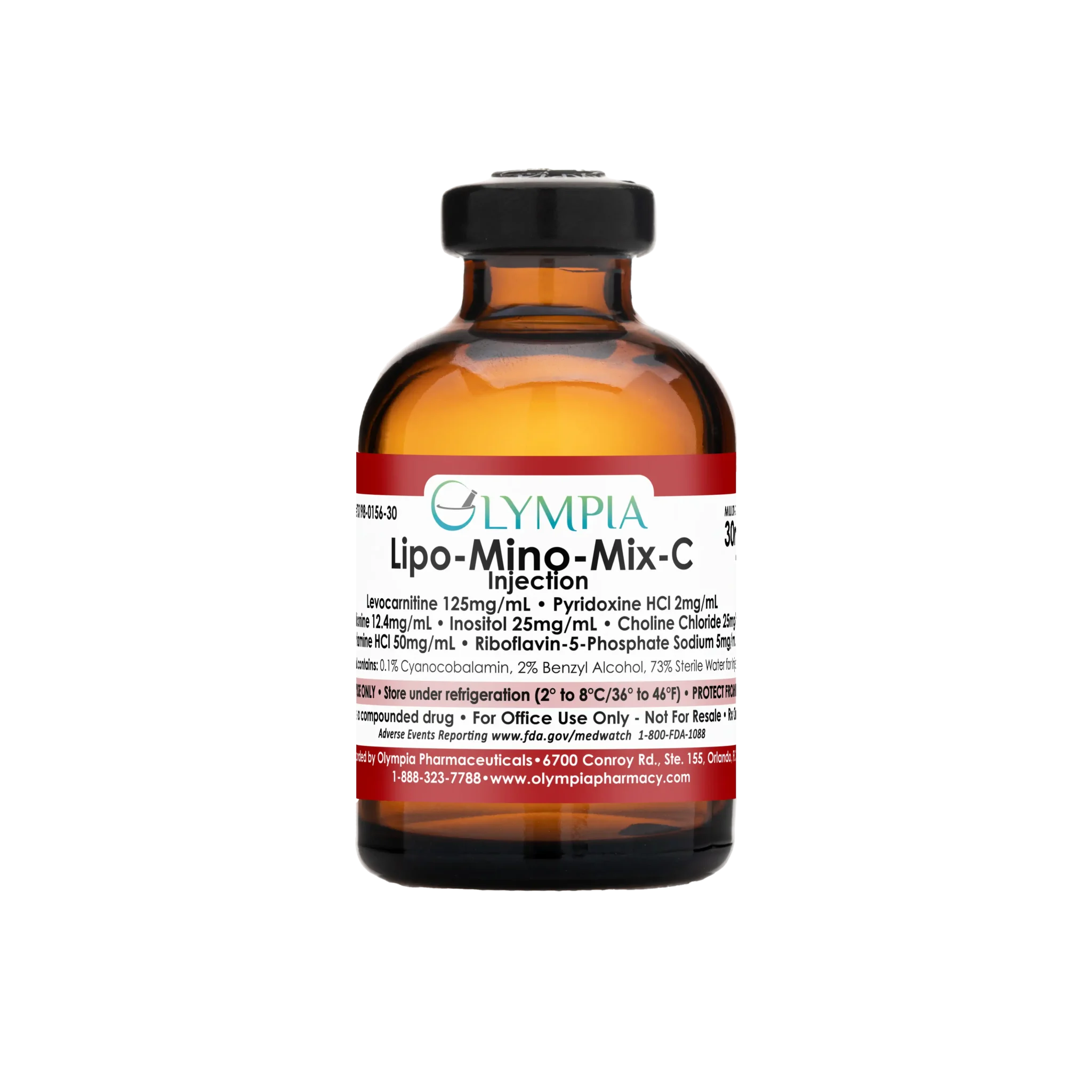
When assessing a lipotropic product, I recommend evaluating three things rather than focusing on the slogan:
- Exact ingredient list and dosing: “Lipotropic blend” is not specific enough. Look for the actual form and amounts.
- Source and quality controls: injection products should come from reputable suppliers with clear manufacturing practices.
- Clinical fit for you: if you don’t have an identified B12 issue or a reason for metabolic support, the chance of meaningful change drops.
Who Might Benefit Most (And Who Should Be Cautious)
I tailor the “should you try this?” discussion based on practical risk/benefit. In general:
Potential candidates
- People with documented low B12 or risk factors for low B12 (dietary pattern, absorption issues).
- Individuals who are already pursuing consistent nutrition and activity and want to address fatigue or adherence barriers.
- Those whose labs or clinical history suggest nutrient insufficiency that injections could reasonably correct.
People who should be cautious
- Anyone using injections as the primary strategy without lifestyle changes.
- People with medical conditions that require careful monitoring (especially if they have complex medication regimens).
- Anyone who experiences adverse effects and continues escalating doses instead of reassessing.
A key lesson from my work: if the goal is fat loss, the “needle” should support the plan—not replace it. If you’re not already building a consistent calorie deficit, protein target, fiber intake, sleep schedule, and training routine, the ROI is usually poor.
Potential Side Effects and Limitations to Know
Even when injections are generally well-tolerated, limitations exist:
- Results vary: some people notice energy shifts, others feel nothing.
- Timing matters: if you measure too soon, you may attribute early water-weight or appetite changes to “fat loss.”
- Ingredient variability: “lipotropic” is not a universally standardized formula; outcomes depend on what’s actually in the product.
- Symptom vs. fat loss: B12-related symptom improvement can increase activity, indirectly supporting fat loss.
If you’re prone to adverse reactions, have ongoing health concerns, or your fatigue is unexplained, the safest approach is to align injection decisions with appropriate medical guidance and relevant lab work.
How to Make This More Likely to Help (A Practical Approach)
If you decide to try lipotropic and b12 injections, I’d approach it like a structured trial—measurable, time-bound, and aligned with lifestyle fundamentals.
My recommended next-step framework
- Start with the basics first: set a realistic calorie deficit and prioritize protein and fiber.
- Track adherence and outcomes: weekly body weight averages, waist measurements, and training consistency.
- Run injections as a supportive variable: don’t change five things at once; keep the program stable so you can interpret results.
- Evaluate after a defined period: if there’s no meaningful improvement in energy, adherence, or body measurements over time, reassess the strategy.
- Use labs where appropriate: especially for B12—so you’re not guessing.
This is the difference between chasing “fat loss” and building a system that can actually drive fat loss.
FAQ
How long until I see results from lipotropic and b12 injections?
In real-world use, people most often notice changes in energy or appetite first (if B12 was low). Body composition tends to change more slowly and usually reflects overall adherence to diet and activity. If you see no change in energy or adherence support within a few weeks, and no trend in weight/waist averages after consistent efforts, it’s reasonable to reassess.
Are lipotropic injections a substitute for diet and exercise?
No. Lipotropic and B12 injections can support nutrition or help some people feel better, but meaningful fat loss still requires a calorie deficit and consistent habits. Treat injections as a supportive tool, not the main strategy.
What should I check before trying a lipotropic injection?
Confirm the specific ingredients and dosing in the product, ensure it comes from a reputable source, and consider relevant health factors—especially whether you have risk factors for low B12. If you have unexplained fatigue or other symptoms, coordinate with a clinician rather than relying on injections alone.
Conclusion
Do lipotropic and b12 injections work? They can help some people—especially when B12 is low or when injections remove a fatigue/adherence barrier. But they’re not a standalone fat-loss treatment, and the strongest results usually come from pairing them with disciplined nutrition, training, and sleep.
Practical next step: If you’re considering injections, set up a 4–8 week trial where your diet and training stay consistent, track weekly averages (weight and waist), and use B12-related labs where appropriate—then decide based on measured trends, not expectations.
Discussion