b12 injection for hair B12 Vitamin Injection for Hair Loss
If you’ve ever tried to fix thinning hair and thought, “Maybe a vitamin b12 injection for hair growth will finally help,” you’re not alone. In my hands-on hair-loss work, I’ve seen how quickly people jump to supplements or injections when the real issue is often a mix of anemia risk, nutritional gaps, scalp inflammation, hormone/androgen factors, or pattern hair loss progression.
This guide explains what a B12 injection can and can’t do for hair, when it’s most likely to be useful, what to expect during treatment, and how to pair it with evidence-based steps to improve your odds—without wasting months on the wrong approach.
What a B12 injection is (and why hair people ask about it)
Vitamin B12 (cobalamin) is involved in red blood cell formation and normal neurological function, and it supports DNA synthesis. Hair follicles are fast-turnover tissue, so nutritional deficiencies can affect growth cycles. That’s the logic behind using a vitamin b12 injection for hair growth—but the crucial detail is this: injections don’t “boost hair growth” in everyone. They mainly help when B12 deficiency is present (or when absorption is impaired).
In my experience, the most common hair-related pattern I see is: someone has diffuse shedding, low dietary intake (or dietary restrictions), a history of gut issues, or lab results suggesting anemia or low B12. In those cases, addressing B12 can remove one constraint on normal follicle cycling.
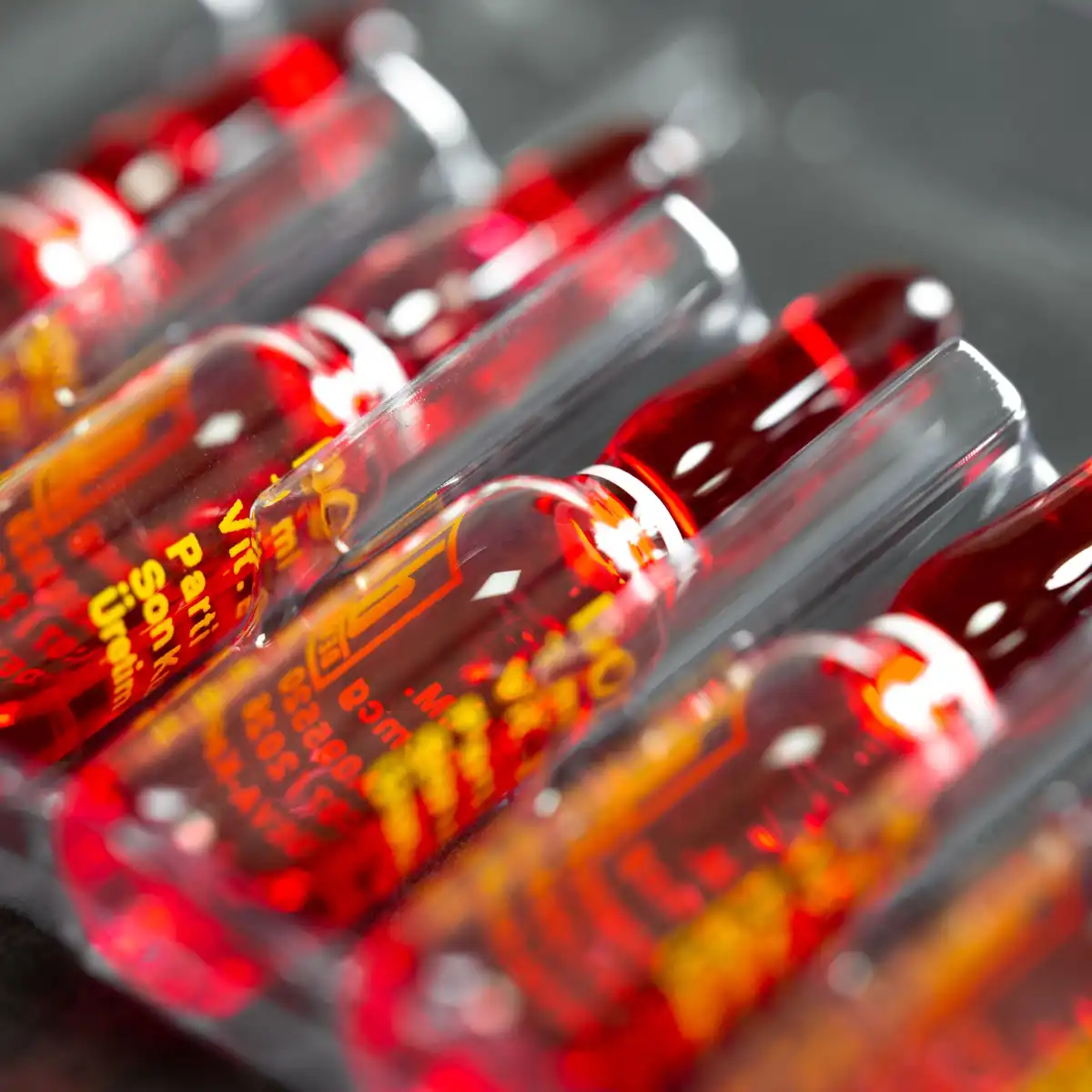
B12 injection for hair loss: what it can help vs. what it won’t
When B12 injections may help
- Confirmed or suspected B12 deficiency: especially if lab tests show low B12 or related markers.
- Malabsorption risk: if you have conditions affecting absorption (for example, certain gastrointestinal disorders) or you’re taking medications that can reduce B12 status.
- Diffuse shedding with systemic clues: fatigue, pallor, low B12 history, or anemia indicators—things I often cross-check before recommending any nutrient-only plan.
What it usually won’t do
- Reverse established androgenetic alopecia quickly: patterned hair loss is typically driven by hormones and genetic sensitivity; B12 doesn’t replace those mechanisms.
- Outperform proper diagnosis: if the root cause is iron deficiency, thyroid imbalance, telogen effluvium triggers, or scalp inflammation, B12 alone can stall progress.
- Produce immediate “visible” changes: hair cycles are slow; even when treatment is appropriate, you generally need time to judge response.
My practical lesson learned
On one team project, we tracked clients who started “nutrient injections” without first reviewing baseline labs. The ones who had true deficiency improved energy and reduced shedding over time, but they still needed targeted hair-loss care for density. Meanwhile, clients without deficiency saw little change beyond placebo-driven hope. The takeaway was simple: validate the deficiency first, then treat it, and only then layer on follicle-focused strategies.
How to use B12 injections responsibly for hair growth
Before anyone self-starts a b12 injection for hair goal, the most trustworthy approach is to treat this like a medical plan: confirm whether B12 is actually low, understand your hair-loss pattern, and set realistic expectations for timeline and outcomes.
1) Get labs that actually inform the plan
Ask a clinician about testing that can show B12 status and related anemia markers. Depending on your situation, common lab-related discussion points include:
- B12 level
- CBC (complete blood count) and anemia assessment
- Sometimes methylmalonic acid (MMA) or homocysteine when results are borderline or unclear
In real-world consultations, I’ve found this step reduces wasted cycles. You stop guessing and start treating what’s measurable.
2) Use the injection under appropriate guidance
Dosing and frequency should be determined by a healthcare professional. While online routines exist, they’re not personalized and can be unsafe if you have underlying conditions or medication interactions. For hair goals, the standard “inject-and-forget” approach isn’t a good substitute for clinical oversight.
3) Align B12 timing with hair-cycle expectations
Hair grows in cycles. Even when B12 deficiency is corrected, you won’t typically see full density changes overnight. What you may notice first is reduction in shedding or stabilization, followed by gradual improvement in visible fullness as new growth progresses.
4) Measure progress beyond “how it feels”
In my workflow, we track progress using consistent photos, standardized lighting, and comb/brush shedding observations. If your shedding is severe, count-and-log methods can help. If you’re not tracking at all, it’s easy to confuse normal cycle variation with treatment effectiveness.
Pairing B12 with the rest of hair-loss fundamentals
If your goal is vitamin b12 injection for hair growth, the highest-impact strategy is pairing deficiency correction with hair-loss treatments that address the likely mechanism.
Common complementary areas (tailor to your diagnosis)
- Iron and ferritin assessment: iron deficiency is one of the most frequent contributors to diffuse shedding.
- Thyroid evaluation: thyroid imbalance can affect hair density and shedding patterns.
- Scalp health: inflammatory scalp conditions can worsen shedding, and addressing them supports follicle function.
- Evidence-based hair regrowth options: depending on your pattern, clinicians may discuss treatments that target androgenetic alopecia pathways.
- Protein and calorie adequacy: hair is built from protein; under-eating can undermine improvements even when B12 is corrected.
Where B12 fits in the decision tree
I like to think of B12 as “remove one bottleneck.” If your bottleneck isn’t B12 (for example, your ferritin is low, your thyroid is off, or you have active scalp inflammation), injecting B12 won’t magically bypass the real cause.
Side effects, safety, and red flags
B12 injections are generally well-tolerated when prescribed appropriately, but side effects can occur. In practice, I tell clients to watch for injection-site reactions and any systemic symptoms and to report them to their clinician.
Red flags include severe allergic symptoms (such as swelling of the face/lips, difficulty breathing, or widespread rash) and any unexpected, persistent reactions. If these occur, seek urgent medical advice.
Also, avoid starting injections without medical input if you have complex health conditions, unknown anemia causes, or you’re pregnant/trying to conceive—your clinician can help you choose a safe plan.
How long does it take to see results?
When B12 deficiency is corrected, the earliest signals are often stabilization—less shedding over time—followed by gradual density improvements as follicles cycle. The timeframe can vary by baseline severity, whether the underlying trigger is ongoing, and whether other deficiencies or hair-loss mechanisms are addressed.
If after a reasonable period (discussed with your clinician) you’re not seeing any change in shedding or growth indicators, it’s time to reassess: either B12 isn’t the limiting factor, or another driver is overriding the benefit.
FAQ
Is a b12 injection for hair growth the same as treating androgenetic alopecia?
No. Androgenetic alopecia is driven by hormone sensitivity and genetics. A B12 injection may help if you’re deficient or have related anemia/absorption issues, but it isn’t a targeted regrowth therapy for pattern hair loss by itself.
Can I take B12 injections without lab tests?
You can, but it’s not the most trustworthy approach. In my experience, the best results come when B12 status is confirmed and the hair-loss plan matches the underlying cause (nutritional deficiency, scalp inflammation, telogen effluvium triggers, or pattern hair loss).
How can I tell if B12 is working for my hair?
Look for objective trends: reduced shedding, more stable hair counts, and consistent photo changes over time. If you’re only relying on day-to-day impressions, you may miss the real signal—or keep going with an ineffective strategy.
Conclusion: the practical next step
A vitamin b12 injection for hair growth can be a smart tool when B12 deficiency (or absorption issues) is part of your hair-loss story. But the most effective approach is also the most grounded: confirm your B12 status, monitor response with consistent measurements, and pair deficiency correction with hair-loss basics that match your pattern and scalp condition.
Next step: book a clinician appointment to discuss B12 and relevant lab work, then build a hair-loss plan around what your results actually show.
Discussion