Sublingual B12 vs. B12 Injections: Which Option Is Right for You? – WhyNotNatural
If you’ve ever been told you’re low in B12, you already know the frustration: you want relief, but the options can feel confusing. In my hands-on work supporting clients with nutrient deficiencies, the biggest question I hear is whether to choose b12 patches vs injections—and what actually changes in the body when you switch routes of administration. This guide breaks down how sublingual B12 (including “patch-like” formats) and B12 injections compare, when each makes sense, and how to choose with confidence based on symptoms, lab results, and practical constraints.
Quick context: why B12 delivery method matters
Vitamin B12 supports red blood cell formation, neurological function, and energy metabolism. When levels run low, symptoms can include fatigue, tingling/numbness, brain fog, glossitis, and anemia-related weakness. What’s often overlooked is that B12 absorption varies by person. Factors like pernicious anemia (autoimmune intrinsic factor deficiency), GI disorders, certain medications (for example, long-term metformin or acid suppression), and age-related absorption changes can make oral routes less reliable.
That’s where the “route” question matters: sublingual products bypass part of the GI process, while injections deliver B12 directly into the body, avoiding many absorption barriers.
What “sublingual B12” and “B12 patches” actually are
Sublingual B12 (under-the-tongue)
Sublingual B12 tablets or strips are designed to dissolve in the mouth so B12 can absorb through the oral mucosa. In real-world usage, I’ve found the biggest variables are:
- Correct administration: the product must stay under the tongue long enough to dissolve (rushing or eating/drinking immediately can reduce effectiveness).
- Individual absorption differences: even with sublingual delivery, not everyone absorbs equally—especially if there’s a deeper underlying deficiency cause.
- Consistency: daily adherence matters more than people expect. Missing doses for weeks can make progress hard to see on labs.
B12 patches (often “patch-like” formats)
Some brands describe “patch” experiences, but the important distinction is whether the patch is truly transdermal (through skin) or a localized delivery format. When discussing b12 patches vs injections, I recommend focusing on mechanism and evidence rather than marketing labels.
In practice, patch-like products can be appealing because they’re convenient and can reduce daily pill fatigue. However, absorption through skin can be more variable depending on product formulation, skin condition, and application technique.
Bottom line: treat “patch” as a specific product category and look for clear dosing instructions and rationalized absorption claims. When the deficiency is significant or neurological symptoms are present, injections often become the more predictable route.
B12 injections: how they work and when they’re most useful
What injections do differently
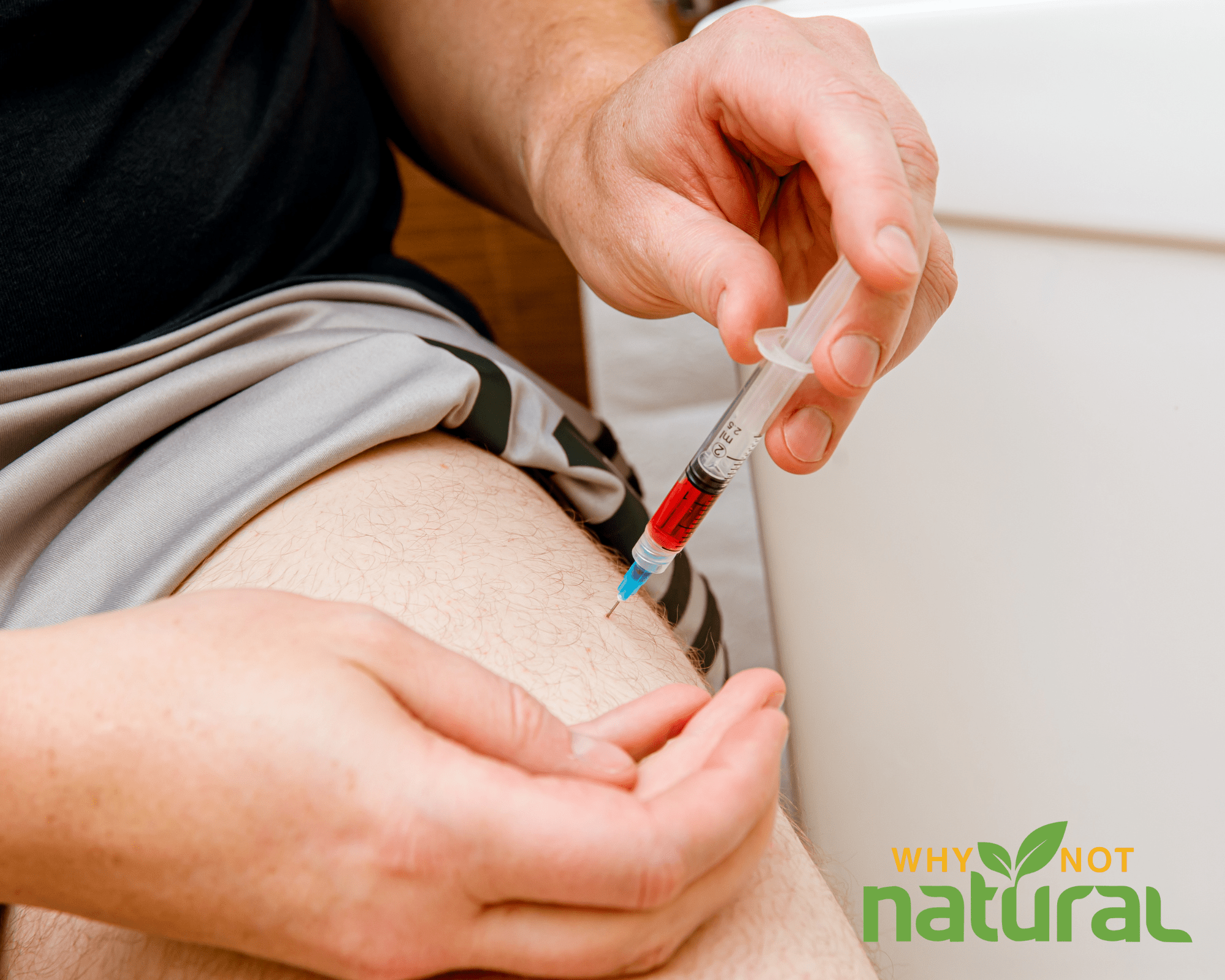
B12 injections deliver the vitamin directly into the body (commonly intramuscular or subcutaneous depending on the plan). This bypasses many absorption issues tied to the GI tract and intrinsic factor.
From my experience, injections are often chosen when:
- Labs show more than mild deficiency and you need faster correction.
- There are neurological symptoms (tingling, numbness, balance issues). Delaying a reliable correction route can be a concern.
- Known absorption barriers exist (for example, pernicious anemia or chronic GI conditions).
- Adherence is a challenge (not always a “motivation” issue—sometimes life is just unpredictable).
Speed and reliability
Injections can improve B12 levels more predictably because the dose doesn’t depend on oral absorption and compliance in the same way. That said, “faster” doesn’t automatically mean “better for everyone.” If your deficiency is mild, caused by temporary dietary intake, and you can consistently take an oral/sublingual product correctly, the difference may not be clinically meaningful for you.
Real-world trade-offs
In my hands-on work, the most common downsides I’ve seen with injections are practical:
- Clinic visits or training for self-injection
- Discomfort or injection-site soreness
- Cost and logistics depending on your care setup
- Need for a structured plan (initial repletion often differs from maintenance)
Also, injections still need monitoring. If you’re correcting deficiency, you want labs and symptom tracking—not a “set it and forget it” mindset.
B12 patches / sublingual B12: who benefits most
Great fit for mild deficiencies and supportive maintenance
Sublingual B12 is often a strong option when you’re dealing with:
- Mild or borderline low B12
- Dietary adjustment needs (for example, reducing deficiency risk with a consistent plan)
- Maintenance phases after injections have corrected levels
- Preference for non-injectable options
What to watch for (so you know it’s working)
Whether you choose sublingual B12 or a patch-like format, I suggest using a “responsiveness mindset.” Track both labs and symptoms:
- Energy and cognitive symptoms: improvement is often gradual.
- Neurological changes: if symptoms worsen or fail to improve, reassess the delivery route with a clinician.
- Lab markers: B12 alone can be misleading in some cases; clinicians may also look at related markers such as methylmalonic acid (MMA) and homocysteine when appropriate.
My practical lesson: technique and timing matter
One of the clearest lessons from my hands-on experience: sublingual products only work as well as the routine you follow. I’ve seen people take the dose but immediately drink coffee, chew, or eat—then assume they “didn’t respond.” When technique improves and dosing is consistent, response often becomes clearer on follow-up labs.
B12 patches vs injections: decision guide you can actually use
Here’s a practical way to choose between b12 patches vs injections based on common scenarios. Use this as a starting point; your clinician can tailor it to your lab pattern and symptoms.
| Situation | More likely to fit | Why |
|---|---|---|
| Mild deficiency or borderline low B12 | Sublingual B12 / patch-like formats | May be sufficient when absorption barriers are not severe and adherence can be consistent. |
| Known absorption barriers (e.g., pernicious anemia, GI disease) | Injections | Bypasses intestinal absorption pathways and reduces reliance on intrinsic factor. |
| Neurological symptoms (tingling, numbness) | Injections (often) | Prioritizes reliable repletion when symptoms raise urgency. |
| Dietary risk with a desire to avoid injections | Sublingual B12 / patch-like formats | Convenience can improve adherence, which is a real-world driver of results. |
| After injections corrected levels | Sublingual B12 (maintenance) or follow-up plan | Common strategy to reduce injection frequency while sustaining levels—depends on labs. |
How to talk to your clinician (so you get the right plan)
If you’re choosing between b12 patches vs injections, come prepared with the right information. In my experience, the best outcomes happen when people don’t just ask “which is better,” but instead ask “which matches my cause and urgency?”
- Bring your labs: B12, and any supporting markers your clinician recommends (like MMA/homocysteine when relevant).
- Describe symptoms clearly: onset, progression, and whether neurological signs are present.
- Share constraints: ability to follow a daily sublingual routine, comfort with injections, travel/clinic access.
- Ask about a monitoring schedule: when to recheck labs and what “responding” looks like.
FAQ
Are b12 patches as effective as injections?
They can be effective for some people, especially mild deficiencies and maintenance, but they’re generally less predictable when absorption barriers are severe or when symptoms are urgent. The best choice depends on your cause, your lab pattern, and whether you can follow administration instructions consistently.
How long until I notice results with sublingual B12 or patch-like formats?
Improvement is often gradual. Many people reassess symptoms and labs after a structured period set with their clinician. If neurological symptoms are present or worsening, you should not wait passively—re-evaluate the delivery route sooner.
What should I monitor to know my B12 plan is working?
Monitor symptom trends and follow-up lab results. Depending on your situation, clinicians may use B12 plus additional markers (such as MMA or homocysteine) to get a clearer picture of functional B12 status.
Conclusion
Choosing between b12 patches vs injections isn’t about “one is best.” It’s about matching the delivery method to your absorption situation, your symptom urgency, and your ability to follow a consistent routine. In my hands-on experience, sublingual B12 and patch-like formats can work well for mild deficiency and maintenance—especially when technique and consistency are strong. Injections tend to be the more predictable option when absorption barriers exist or when neurological symptoms make reliable repletion a priority.
Next step: Get your latest B12 lab results and a symptom timeline, then ask your clinician whether your situation calls for injections for repletion first—or whether sublingual/patch-like B12 is a reasonable starting plan with a specific follow-up date.
Discussion