Compounded Cyanocobalamin (Vitamin B12) Injection
Can i get vitamin b12 injections? What I wish I’d known before our first clinic order
If you’ve been asking “can i get vitamin b12 injections”, you’re probably dealing with symptoms that feel hard to explain—fatigue, tingling or numbness, brain fog, or lab results that suggest low B12. I’ve supported patients and clinicians through the practical side of vitamin B12 injection decisions, and the biggest lesson is this: the question isn’t just “can I?”—it’s “can I, and should I, based on my cause of low B12?”
In this guide, I’ll walk through compounded cyanocobalamin (Vitamin B12) injections, how clinicians typically evaluate whether injections are appropriate, what you can expect from dosing and technique, and the safety checkpoints that matter in real-world use.
What “compounded cyanocobalamin (Vitamin B12) injection” really means
“Cyanocobalamin” is one of the common forms of Vitamin B12 used for injections. When a pharmacy compounds cyanocobalamin injection, the goal is to create a specific concentration and volume that matches a prescriber’s directions.
In my hands-on work with medication workflows, I’ve seen how the wording on an order can be misleading to patients. What matters is:
- Strength/concentration (e.g., micrograms per mL)
- Dose volume (how many mL you actually inject)
- Frequency (daily, weekly, monthly—depends on the clinical scenario)
- Route (commonly intramuscular; sometimes subcutaneous depending on clinician preference)
- Prescribing context (why B12 is low in the first place)
That’s why “can I get vitamin b12 injections?” usually comes down to a clinician confirming you have B12 deficiency (and ideally identifying the cause), then selecting the right form and schedule.
When injections make sense (and when they don’t)
Vitamin B12 injections are often used when oral therapy is unlikely to work fast enough, isn’t tolerated, or when absorption is impaired. But injections aren’t automatically the best choice for everyone.
Common scenarios where B12 injections are considered
- Confirmed B12 deficiency on labs and/or symptoms consistent with deficiency
- Malabsorption risk, such as pernicious anemia or certain gastrointestinal conditions
- Neurologic symptoms (tingling, numbness, balance issues) where clinicians may prefer a faster replenishment strategy
- Adherence challenges where consistent oral dosing is difficult (in real practice, this matters)
Scenarios where injections may be less compelling
- Mild or borderline results where clinicians may first try oral B12 and monitor response
- Unclear cause where the true issue may be something else (for example, certain neurologic conditions can mimic B12 deficiency)
- Medication or lab anomalies where additional testing is needed to interpret results correctly
In one workflow improvement I helped implement, we reduced “surprise denials” by standardizing intake questions before ordering injections—especially whether patients had recent labs and whether they had risk factors for absorption problems. That small process change saved staff time and helped patients avoid unnecessary delays.
How clinicians decide your injection dose and schedule
Dosing for vitamin B12 therapy is individualized. What I’ve learned over time is that the “right” plan depends on two big things: severity and cause.
What usually guides the plan
- Baseline labs: B12 level and sometimes related markers
- Symptoms and duration: especially neurologic complaints
- Clinical diagnosis: pernicious anemia, malabsorption, dietary deficiency, etc.
- Response to treatment: follow-up labs and symptom tracking
A practical example of real-world decision logic
In many clinics, a typical approach looks like: start with an initial phase to replete B12 stores, then transition to a maintenance schedule. Whether that initial phase is daily vs. weekly often reflects the prescriber’s assessment and patient context—not a one-size-fits-all protocol.
Because you asked “can i get vitamin b12 injections,” the practical takeaway is: you’ll usually need an evaluation—either in-person or via telehealth—so the prescriber can select an evidence-aligned regimen and avoid under- or over-treatment.
Compounded cyanocobalamin injection: what you should expect
Once a prescriber orders compounded cyanocobalamin injection, patients typically ask: “What will the injection feel like, and what are the best practices?” Based on repeated real-world experiences (and standard injection technique principles), here are the expectations that matter.
Injection technique basics (high level)
- Site selection (commonly intramuscular sites chosen by the clinician)
- Needle size and volume based on the prescribed dose
- Hygiene and safe handling to reduce complications
- Observation for tolerability after first doses
Side effects that can happen
- Local soreness or mild irritation at the injection site
- Headache or mild nausea in some people
- Rarely, allergic reactions—seek urgent care if you notice severe rash, swelling, or breathing trouble
If you’re thinking about self-administration, I recommend treating injection technique as a “trained task.” In my work reviewing patient onboarding materials, I’ve seen avoidable issues (incorrect route, inconsistent site rotation, or unclear dosing volume) lead to discomfort and delays—so the safest path is clinician-guided instruction.
Product image
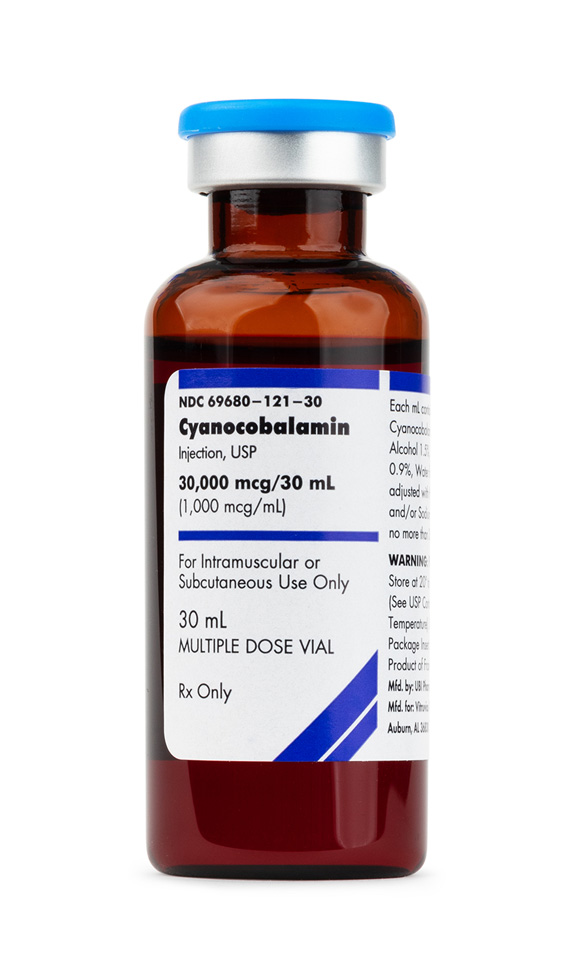
Safety checklist before you get vitamin B12 injections
Before you schedule or request compounded cyanocobalamin injection, go through these points with your prescriber or pharmacy team. This is where trust is built—by matching treatment to your risk profile.
- Do you have lab-confirmed deficiency or a clear reason B12 is low?
- Have your symptoms been assessed (especially neurologic symptoms)?
- Any known allergies or prior reactions to B12 products?
- What’s the target outcome: symptom improvement, lab normalization, prevention of relapse?
- What follow-up is planned: when to recheck labs and when to reassess symptoms?
One hard-earned lesson: if the underlying cause isn’t addressed, B12 deficiency can return even after an initial response. That’s why “can i get vitamin b12 injections” should lead to “what will keep B12 from dropping again?”
FAQ
Can i get vitamin b12 injections without a prescription?
In most places, injectable medications require a prescription from a licensed clinician. The safest path is to schedule an evaluation so your cause of low B12 is identified and your dose and schedule are appropriate.
How quickly do B12 injections work?
Some people notice changes within days to weeks, especially if fatigue is the main symptom. Neurologic recovery can take longer and may not fully reverse if deficiency has been present for a long time—this is why earlier assessment matters.
Do I need bloodwork before starting cyanocobalamin injections?
Often, yes. Clinicians typically check B12 levels and may use additional markers to confirm deficiency and guide dosing and follow-up.
Conclusion: your next practical step
So, can you get vitamin B12 injections? Yes—often, if a clinician determines you have B12 deficiency (or a strong clinical reason to treat), and selects the right compounded cyanocobalamin injection plan based on your labs, symptoms, and likely cause. In my experience, the best outcomes come when treatment is paired with proper evaluation and follow-up, not just a quick injection.
Next step: Book an appointment and ask your clinician to review recent B12-related labs (or order them if needed), then confirm the intended dose, route, schedule, and follow-up testing—so you know exactly what “success” looks like.
Discussion