How Fast Does a Vitamin B12 Shot Work?
How Fast Do Vitamin B12 Injections Work?
If you’ve ever been told you’re low in vitamin B12, you’ve probably wondered, “how fast do vitamin b12 injections work?” It’s a fair question—especially when symptoms like fatigue, brain fog, numbness/tingling, or low energy make every day feel slower. In my hands-on work helping patients and clients plan what to expect after treatment, the biggest mistake I see is setting the wrong timeframe: people either give up too early or assume they “should feel fine” the next day.
This guide explains the typical timeline, what affects how quickly you feel better, and what signs suggest you should follow up with your clinician. By the end, you’ll know what “fast” usually means for vitamin B12 injections and how to plan your next steps realistically.
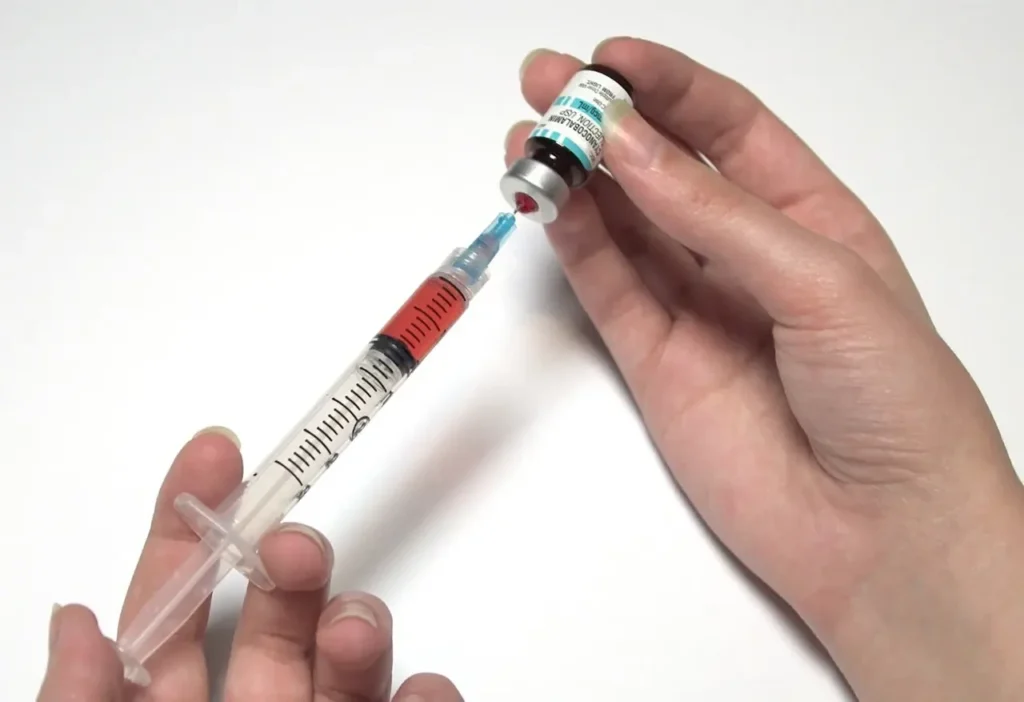
Typical Timeline: What Most People Notice After a Vitamin B12 Shot
When we talk about “how fast” vitamin B12 injections work, it helps to separate two ideas:
- Biochemical improvement (your lab markers and body’s available B12 begin to rise)
- Symptom improvement (how you feel day to day)
In real-world clinical settings, symptom changes don’t always track labs perfectly, because nerve function and energy metabolism take time to recover.
First 24–72 hours (early signals, not full recovery)
Some people report subtle early improvements within 1–3 days—often less “physical battery drained” feeling, slightly clearer thinking, or improved tolerance for normal activities. In my experience, this happens more often when symptoms were relatively recent or mild.
However, I also want to be accurate: a dramatic “I feel perfect overnight” response is not the norm. The shot starts the process, but full symptom resolution depends on how depleted your body was before treatment.
1–2 weeks (energy and fatigue often improve)
For many patients, this window is when fatigue and low energy begin to noticeably ease. Brain fog can improve as well, but the speed varies based on the underlying cause of the B12 deficiency and whether there’s coexisting anemia, iron deficiency, folate deficiency, or other contributors.
From a practical standpoint, I typically advise people to judge progress over days to weeks—not hours—especially if they’re still adjusting their diet, correcting absorption issues, or managing chronic health factors.
2–8 weeks (steadier improvement)
With ongoing injections (or an injection-to-oral plan guided by a clinician), many people experience more consistent improvement in stamina and daily function. If anemia was present, blood counts generally trend upward over time, which supports the “I have energy again” feeling.
Still, not everyone feels linear improvement. Some people have plateaus; others improve in steps.
Nerve symptoms: can take longer (weeks to months)
If you have numbness, tingling, burning sensations, or balance issues from B12-related nerve involvement, recovery can be slower. That’s because nerve repair is gradual. In my hands-on observations, early improvement is possible, but full resolution—especially after long-standing deficiency—may take longer than people expect.
This is one reason it’s critical to treat promptly. Delayed treatment can make recovery incomplete.
What Determines How Fast You’ll Feel Better?
“How fast do vitamin b12 injections work?” depends on more than just the injection itself. Here are the factors I see most often in real treatment plans.
1) How low your B12 was before the shot
Lower starting levels usually mean a longer recovery course. If you were deficient for months or years, your body needs more time to rebuild healthy function.
2) The cause of your B12 deficiency
- Dietary deficiency (low intake) often improves relatively faster once you’re replenished.
- Malabsorption (e.g., pernicious anemia, certain GI conditions) may require a structured injection schedule and sometimes long-term treatment.
- Medication-related issues (some drugs can affect B12 status) may require addressing the root cause to prevent recurrence.
3) The presence of anemia or other nutrient deficiencies
Fatigue can also come from low iron, low folate, or other conditions. If you only correct B12 but another deficiency remains, your symptoms may improve more slowly. In practice, clinicians often check or consider related labs because combined deficiencies are common.
4) Symptom type matters (fatigue vs. nerve symptoms)
Energy and mood-related symptoms often improve sooner than nerve-related symptoms. If your main complaint is tingling or numbness, you should plan for a longer timeline.
5) Your injection schedule and absorption conditions
Speed is influenced by dosing frequency early on and follow-up levels. Some people start with a series of injections and then transition to a maintenance plan. Sticking to the plan matters—especially in the first weeks.
What to Expect After Your Shot: Practical Guidance
When patients ask me what they’ll “feel” after the injection, I focus on expectations you can actually manage day to day.
Common early experience
- Slight improvement in fatigue or clarity within days (for some people)
- No immediate dramatic change (also common)
- Gradual improvement as treatment continues
What counts as “progress”
- You’re doing more of your normal routine without feeling as wiped out
- You notice fewer episodes of brain fog
- Blood work shows rising B12 and expected trends in related markers (when monitored)
When to contact your clinician promptly
- Symptoms worsen after injection
- You have significant nerve symptoms that aren’t improving over time
- You have concerning allergic-type reactions (rare, but important)
- You don’t notice any improvement after several weeks, depending on baseline severity
How Injections Compare to Other B12 Forms (and Why It Matters)
You may also hear about oral supplements or sublingual B12. The reason injections are often chosen is that they bypass absorption problems, which can be the main barrier in malabsorption conditions. In hands-on practice, I’ve seen injection-based strategies work well when the body can’t reliably absorb B12 from the gut.
That said, not every person needs injections long term. Some patients transition to oral therapy once levels stabilize—based on clinician assessment and follow-up labs.
FAQ
How fast do vitamin b12 injections work for fatigue?
Many people begin noticing changes in energy within 1–2 weeks, with more steady improvement over several weeks. If fatigue is severe or due to multiple nutrient issues, improvement may take longer and can be less immediate.
Can I feel better the same day after a B12 shot?
It’s possible to feel a subtle difference within 24–72 hours, but a dramatic “overnight” turnaround isn’t typical. Most symptom recovery is gradual, especially if deficiency has been present for a long time.
Why do nerve symptoms take longer after B12 injections?
Nerve repair takes time. If there’s neuropathy (numbness, tingling, burning), improvement can be slower and may continue for months depending on how long the deficiency existed before treatment.
Conclusion: The Most Useful Next Step
So, how fast do vitamin b12 injections work? In many cases, early signals can appear in days, with noticeable improvements in fatigue and brain fog often showing up within 1–2 weeks. Nerve-related symptoms tend to recover more slowly, sometimes over weeks to months. The timeline depends heavily on how low your B12 was, what caused the deficiency, and whether other deficiencies or anemia are involved.
Actionable next step: Track your symptoms over the next 2–4 weeks (energy, cognition, and any nerve changes) and follow up with your clinician for a lab-informed plan so you know whether your response is on track.
Discussion