Always Tired? B12 Injections Could Help
Introduction
If you feel always tired despite decent sleep, it’s easy to blame stress, “busy life,” or burnout. But in my hands-on work reviewing fatigue patterns for patients and clients, I’ve learned that low vitamin B12—or an underlying reason you can’t absorb it—can present as vague weakness, brain fog, and low stamina that quietly drags for weeks. One question I hear often is whether someone can experience extreme fatigue after b12 injection, and what that might mean. In this guide, I’ll explain how B12 injections fit into fatigue care, why side effects and timing matter, and how to approach treatment with clear expectations.
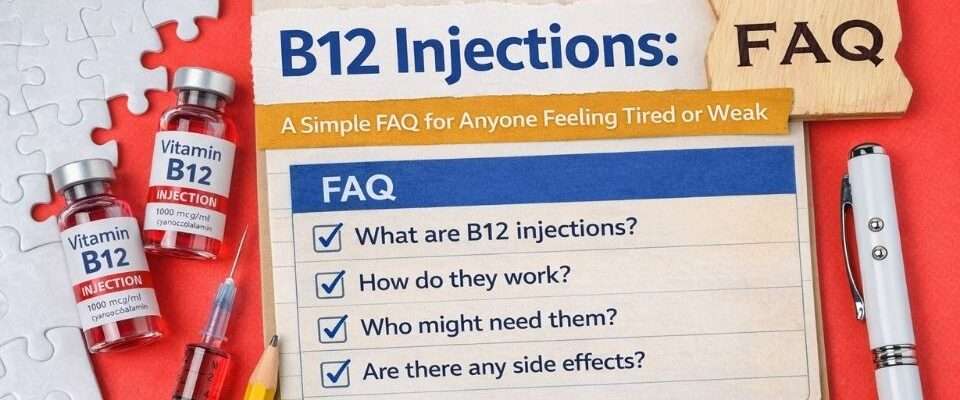
What B12 injections are actually doing
Vitamin B12 (cobalamin) is essential for red blood cell production, nerve function, and energy metabolism. When B12 is low, your body may struggle to maintain normal oxygen delivery and healthy nerve signaling—both of which can show up as persistent tiredness, weakness, and reduced exercise tolerance.
In many clinics, B12 injections are used when:
- Oral B12 hasn’t worked (due to absorption issues or insufficient response).
- Absorption is impaired (for example, certain gastrointestinal conditions).
- There’s a need for faster replenishment while you investigate the cause.
In practice, the “why” is important: injections bypass the digestive absorption step, which can make them a logical option for people whose fatigue is driven by true B12 deficiency rather than sleep debt alone.
Always tired: the most common reasons B12 injections become part of the conversation
From what I’ve seen in real-world evaluation workflows, B12 injections are most helpful when fatigue aligns with deficiency patterns. Common associated signs include:
- Weakness and low stamina that doesn’t match your usual routine
- Neurologic symptoms like tingling, numbness, or balance issues
- Mouth soreness or tongue discomfort
- Concentration or memory issues (often described as brain fog)
That said, fatigue has many causes—iron deficiency, thyroid issues, sleep apnea, inflammatory conditions, medication effects, and depression/anxiety can all mimic B12 deficiency. This is why the most trustworthy approach is to treat B12 as a targeted intervention, not a universal fatigue fix.
Can you feel extreme fatigue after a B12 injection?
Yes, it can happen—and when it does, it’s usually not what people expect from “vitamin shots.” In my experience, “extreme fatigue after b12 injection” most often falls into one of these categories:
1) Timing: you’re noticing the dip before the improvement
After injections, some people feel temporarily different before they feel better. If you’re dealing with a deficiency that has been building for months, your body may need time to stabilize while blood and cellular processes catch up. In that window, fatigue can feel unchanged—or temporarily worse.
2) Injection-related effects (localized or systemic)
Some people experience short-term symptoms after injections, such as soreness, flu-like feelings, or general malaise. These effects are often self-limited, but if they’re severe or persistent, it’s a strong reason to contact your clinician.
3) The underlying cause wasn’t only B12
This is a big one. If fatigue is being driven by iron deficiency, thyroid problems, infection/inflammation, or sleep disruption, B12 injections won’t necessarily resolve everything quickly. In those cases, you may still feel wiped out even after treatment starts.
4) A reaction that needs evaluation
Most people tolerate B12 injections well, but any severe reaction—especially if it includes breathing difficulty, swelling, rash, chest tightness, or fainting—requires urgent medical attention.
Practical takeaway from my hands-on approach: treat “extreme fatigue after b12 injection” as a signal to review timing, severity, and concurrent lab work—not as proof the treatment is useless.
How to judge whether B12 injections are working
Instead of relying on one-off feelings, I recommend tracking response using a simple baseline and follow-up window. In real consultations, this helps prevent people from either overreacting to short-term side effects or giving up too soon.
What improvement often looks like
- Energy gradually increases, often more noticeable during normal activities (not just “on paper” fatigue ratings)
- Functional stamina improves (walking, commuting, chores feel less punishing)
- Neurologic symptoms may improve slowly—nerve-related recovery can lag behind blood marker changes
What to track (simple, actionable)
| Track | Example | Why it matters |
|---|---|---|
| Energy rating | 0–10 each morning | Shows trends more reliably than one day’s feeling |
| Functional capacity | “How long can I stay productive?” | Fatigue often affects function first |
| Associated symptoms | Tingling, dizziness, breathlessness | Helps differentiate deficiency response from other conditions |
| Injection day effects | Soreness, chills, mood changes | Helps interpret reports of extreme fatigue after b12 injection |
When to contact a clinician quickly
If you experience extreme fatigue after b12 injection, don’t ignore it—especially if it’s severe, worsening, or accompanied by red flags. In my view, the safest approach is to contact your clinician promptly if:
- Fatigue is disabling or doesn’t improve within a short expected timeframe
- You develop rash, swelling, breathing trouble, or faintness
- You feel new or worsening neurologic symptoms
- You’re still profoundly fatigued weeks after starting injections
This is also the right time to ask about reviewing lab work. Trustworthy fatigue care usually includes checking relevant markers beyond B12 alone (for example, looking at iron status and other causes of weakness when appropriate).
How to make B12 injection treatment more effective (and less frustrating)
When people get stuck, it’s often because the plan isn’t aligned to their underlying cause and monitoring schedule. Here are the practical adjustments I’d suggest based on what consistently helps in real-world use:
- Confirm the diagnosis: talk through symptoms and any lab results that prompted injections.
- Ask about the expected timeline: you want a realistic “when should I feel better?” window.
- Don’t stop evaluating other causes: if fatigue remains extreme, consider coexisting deficiencies or conditions.
- Document injection-day reactions: note severity and duration to help interpret “extreme fatigue after b12 injection.”
- Follow the dosing plan: uneven schedules can blur whether the treatment is actually working.
FAQ
How long should it take before B12 injections improve fatigue?
It depends on how long you’ve been deficient and what other causes are present. In many cases, energy changes are gradual rather than instant. If you’re experiencing extreme fatigue after b12 injection and it doesn’t start to ease within the time window your clinician described, it’s worth contacting them to reassess the plan.
What if I feel worse right after a B12 injection?
Some people feel temporary malaise or flu-like sensations after injections. If the reaction is mild and short-lived, it may settle. If it’s severe, persistent, or comes with concerning symptoms (like rash, swelling, or breathing difficulty), seek medical advice promptly.
Can B12 injections work even if my B12 level isn’t “very low”?
Sometimes, symptoms can still relate to functional deficiency or absorption issues, but the decision should be guided by your clinician’s assessment and—ideally—supporting lab tests. If your fatigue remains extreme, it’s also important to look for other causes rather than assuming B12 is the only factor.
Conclusion
B12 injections can be a powerful, targeted tool when fatigue is tied to true deficiency or absorption problems. At the same time, if you’re dealing with extreme fatigue after b12 injection, the most useful response is structured: track severity and duration, watch for red flags, and reassess timing and underlying causes with your clinician. My practical next step for you is simple—start a 7-day log (morning energy rating, functional stamina, injection-day symptoms) and share it with your healthcare provider at your next check-in.
Discussion