Best Vitamin B12 Injection Sites
Introduction
If you’ve ever been told to get a vitamin B12 injection but you’re not sure where to inject—or you’re worried about pain, swelling, or doing it incorrectly—you’re not alone. In my hands-on work supporting patients through at-home injections, the biggest sticking point is confidence: knowing the right injection site, the right technique, and what normal versus abnormal reactions look like.
This guide explains the best vitamin B12 injection sites and how to approach common scenarios, including how people often use a sub q b12 injection (subcutaneous) option when appropriate. By the end, you’ll understand which sites are typically used, how to rotate them, and how to reduce the risk of irritation.
Quick primer: injection types and why the site matters
“B12 injection” can mean different delivery routes, and the route changes what “best site” means.
- Intramuscular (IM): Medication is placed into muscle (commonly the deltoid, vastus lateralis, or ventrogluteal region).
- Subcutaneous (Sub Q): Medication is placed into the fatty layer under the skin. A sub q b12 injection relies heavily on choosing a safe, accessible fatty area.
In practice, I’ve seen people get stuck when they assume all B12 shots are injected the same way. But the underlying logic is straightforward: tissue type affects absorption and local tolerance, so the site and depth must match the prescribed route.
Best vitamin B12 injection sites for subcutaneous (Sub Q) use
If your clinician has specifically instructed you on a sub q b12 injection, the “best” sites are the ones with consistent subcutaneous fat and lower risk of hitting deeper structures.
1) Abdomen (subcutaneous fat area)
Many people use the abdomen because it’s accessible and has a reliable layer of subcutaneous tissue.
- Where: choose a region on the abdomen that has adequate fat, typically avoiding areas very close to the navel.
- Why it works: the subcutaneous plane is easier to reach consistently than muscle in many body types.
- Rotation: rotate left/right and move at least a couple of finger-widths away from previous sites.
2) Outer thigh (anterior-lateral subcutaneous area)
The outer thigh is another common subcutaneous option.
- Where: use the outer, fatty area (not the deepest central areas).
- Why it works: good access and often enough subcutaneous tissue for consistent placement.
- Rotation: divide the thigh into “zones” and rotate across weeks.
3) Upper arm (triceps area)
Some patients can use the back of the upper arm (triceps region) if there’s sufficient subcutaneous fat.
- Where: the outer back portion of the upper arm where fat is present.
- Why it works: a predictable spot if you have enough tissue.
- Limitation: self-injection here can be harder—technique consistency matters.
Best vitamin B12 injection sites for intramuscular (IM) use
If your prescription specifies IM (intramuscular) administration, the “best” sites are those that place the dose into muscle safely—especially important for reducing discomfort and avoiding nerve or vessel injury.
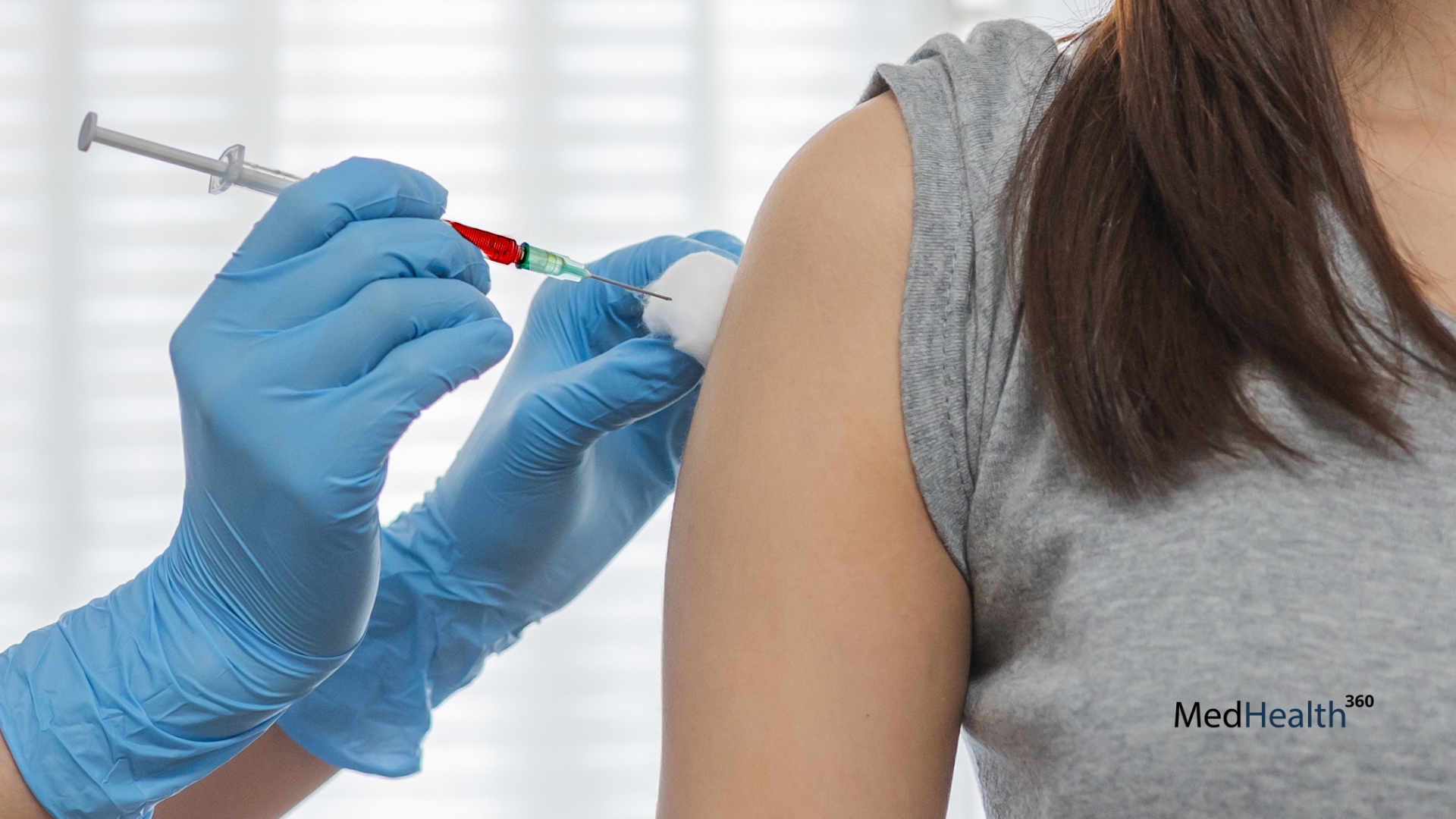
1) Deltoid (upper arm)
The deltoid is commonly used for IM injections when dosing volume and anatomy fit.
- Where: upper outer arm area (deltoid muscle).
- Why it works: widely taught site; helpful for clinics and some self-injection learners.
- Limitation: may be less ideal for larger volumes or very lean individuals.
2) Vastus lateralis (outer/front thigh)
In my experience, the thigh is often the most practical for consistent IM self-injection learning.
- Where: the outer/front thigh muscle.
- Why it works: good muscle bulk and visibility/access for many people.
- Rotation: rotate across the thigh muscle area so you don’t repeatedly irritate the same point.
3) Ventrogluteal (hip area)
The ventrogluteal region is considered a strong option for IM for many clinicians because of its safety profile when landmarks are used correctly.
- Where: specific hip landmarks used to locate the ventrogluteal site.
- Why it works: tends to reduce the chance of injecting too close to major structures when properly identified.
- Limitation: often easiest with a trained person at first due to landmark precision.
How to choose the right site (practical decision guide)
When patients ask me, “Where should I inject?” I run through a simple checklist that centers on route, comfort, and skin/tissue suitability.
| Question | What to look for | Typical site alignment |
|---|---|---|
| Does your clinician prescribe Sub Q? | Instruction explicitly says subcutaneous | Abdomen, outer thigh (subcutaneous), upper arm (if feasible) |
| Does your clinician prescribe IM? | Instruction explicitly says intramuscular | Deltoid, vastus lateralis, ventrogluteal |
| Do you have enough subcutaneous fat for Sub Q? | Tissue should pinch and feel “fatty,” not all muscle | Prefer abdomen or outer thigh if upper arm is too lean |
| Are you getting frequent lumps or irritation? | Repeated trauma to the same spot | Rotate sites and reduce reuse of exact landmarks |
| Can you consistently reach and inject safely? | Technique reliability matters as much as the location | Choose sites that match your self-injection comfort |
Technique details that reduce pain and improve tolerability
You don’t need “perfect” technique to benefit from B12, but consistent, low-trauma injection practices do make a difference. In my hands-on coaching, these are the levers that most often reduce burning, bruising, and swelling.
Rotate injection sites
Reusing the same spot repeatedly is a common cause of local lumps. I recommend rotating within the same general region (e.g., left/right abdomen) rather than bouncing across unrelated body areas every time.
Mind the skin and tissue selection
For a sub q b12 injection, you want to target the subcutaneous plane, not deep muscle. For IM, you want muscle placement—not superficial skin injection.
Use correct needle handling and sterile steps
- Use a new needle each time if your product/plan requires it.
- Clean the skin with an appropriate antiseptic method per your clinician’s instructions.
- Let skin dry before injecting to reduce sting.
Expect mild, short-lived local reactions
Some redness, mild soreness, or slight swelling can happen. What I watch for are patterns that persist or worsen across multiple injections, which can suggest irritation from repeated site use, incorrect depth, or formulation sensitivity.
Common issues and what they usually mean
Lump at the injection site
Often related to local irritation, repeated injection in the same spot, or injection technique. Rotating sites and spacing injections can help. If lumps are growing, painful, hot, or accompanied by fever, get medical advice.
Significant bruising
Bruising can occur, especially if a small vessel is hit. Consistent site selection and gentle technique usually reduce this over time.
Persistent burning or numbness
That pattern is a red flag for nerve irritation or incorrect placement. Stop and seek guidance from a clinician, particularly if it continues after the injection day.
FAQ
What is the difference between a sub q B12 injection and an IM B12 injection?
A sub q b12 injection is placed under the skin into the fatty layer, while an IM injection is placed into muscle. The prescribed route determines the appropriate injection sites and depth.
Which vitamin B12 injection sites are best for self-injection?
For many people, the thigh (outer/front) or abdomen are practical for subcutaneous administration, while the thigh (vastus lateralis) is often the most accessible IM site. The “best” site is the one you can consistently inject safely and comfortably based on your prescription.
How should I rotate injection sites to avoid soreness?
Use zones within the same general area and move to a new spot each time (e.g., alternate left/right abdomen or rotate across different points on the thigh). Avoid injecting into the exact same spot repeatedly.
Conclusion
Choosing the right vitamin B12 injection sites comes down to matching the injection route (Sub Q vs IM) with a site that has the right tissue type and is practical for consistent technique. For a sub q b12 injection, abdomen and outer thigh regions are often easiest, while IM options commonly include deltoid, vastus lateralis (thigh), and ventrogluteal (hip) when landmarks are correct.
Next step: Confirm your prescribed route (Sub Q or IM) and then pick one site you can reliably access—practice your site rotation plan (zones) so each weekly dose lands in a new spot.
Discussion