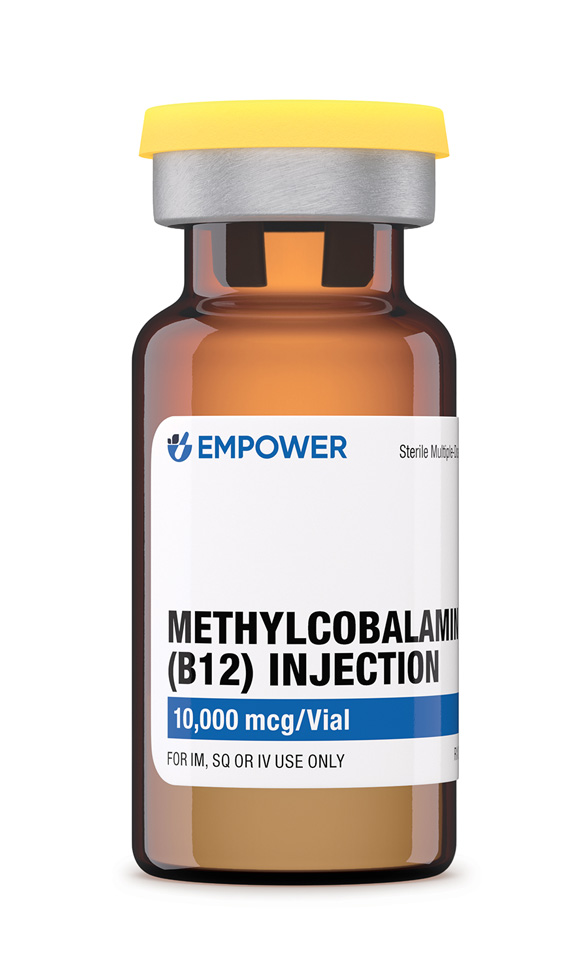
Methylcobalamin Injection (Vitamin B12)
Introduction
If you’ve ever had low energy, tingling in your hands or feet, or lab results that point to vitamin B12 deficiency, you’ve probably been told to consider b12 injectables. The problem is that “injection” can sound simple—until you’re trying to understand which form of B12 is appropriate, how the body uses it, and what practical steps make therapy safer and more effective. In this guide, I’ll walk through methylcobalamin injection (vitamin B12)—what it is, who it’s for, how clinicians typically approach dosing and monitoring, and common mistakes I’ve seen when patients self-manage or coordinate care.
Throughout my work with medication education and patient-facing care coordination, the same pain point shows up: people want a clear, plain-English explanation of why methylcobalamin may be chosen, what “response” really looks like, and how to reduce risks while staying consistent.
What Methylcobalamin Injection Is (and Why It Matters)
Methylcobalamin is one active, naturally occurring form of vitamin B12. Unlike some supplements that rely on conversion steps in the body, methylcobalamin is already in a biologically active form. For patients with certain causes of B12 deficiency—especially where normal processing of B12 is impaired—this can be a practical reason clinicians select methylcobalamin injection.
In day-to-day clinical logic (and what I’ve observed in care plans), the goal isn’t just “more B12.” It’s restoring functional B12-dependent pathways involved in:
- Red blood cell production (supporting normal hematologic function)
- Nerve health (supporting myelin maintenance and reducing neurologic symptoms)
- Metabolic processes (including homocysteine-related pathways)
Why “injectables” at all? Many patients improve with oral supplementation, but injections can be used when absorption is unreliable, symptoms are more severe, levels are very low, or clinicians want a predictable route. In my hands-on experience educating patients, “predictability” is a big deal—especially when diet changes alone won’t fix the underlying issue quickly enough.
Who Typically Benefits from B12 Injectables?
Methylcobalamin injection is often considered in the context of confirmed or strongly suspected vitamin B12 deficiency, particularly when there are factors that interfere with absorption or when symptoms warrant faster correction. While only a clinician can decide the best approach, here are common scenarios that inform real-world decisions.
Common clinical triggers for B12 injection consideration
- Malabsorption (e.g., certain gastrointestinal conditions, post-surgical states, or other causes of reduced absorption)
- Neurologic symptoms (tingling, numbness, balance issues) where clinicians may prioritize restoration sooner rather than later
- Markedly low B12 levels on labs, especially alongside anemia or elevated related markers
- Inadequate response or intolerance to oral regimens in prior attempts
A practical note on response expectations
One lesson I’ve learned the hard way through repeated patient questions: people often expect immediate “energy boosts.” In reality, neurologic symptom improvement can take time, and blood count normalization may occur on a different timeline than nerve recovery. In my hands-on coordination, I’ve found it helps to set expectations around measurable markers and symptom tracking rather than day-to-day guesses.
How B12 Injectables Are Typically Administered (Process, Not Myths)
The administration details—route, dose, frequency, and duration—should be individualized by a licensed clinician based on lab values, cause of deficiency, symptom severity, and overall medical context. Still, understanding the common structure behind B12 injectable therapy makes you a better partner in care.
Common components of a clinician-driven plan
- Baseline assessment: symptom review plus lab interpretation (often including complete blood count and B12-related markers)
- Initial correction phase: injections given more frequently to replenish stores
- Maintenance phase: spacing injections out once levels stabilize
- Monitoring: rechecking labs and tracking symptom changes over time
Where people commonly go wrong
- Skipping follow-up: finishing the first few doses without rechecking levels
- Confusing “feeling better” with “normalized labs”
- Self-adjusting schedules without clinician guidance
- Ignoring underlying causes (e.g., ongoing malabsorption or medication interactions)
In my own patient education work, I’ve seen that the biggest safety and effectiveness wins come from tight coordination: clear dosing instructions, a documented schedule, and scheduled lab review.
Mechanism in Plain Language: Why Methylcobalamin Can Help
Vitamin B12 plays roles in critical biochemical pathways. When B12 is deficient, cells can’t carry out those processes efficiently—leading to characteristic blood changes and neurologic symptoms. Methylcobalamin injection supports recovery by supplying an active form of B12 that can be used for the body’s B12-dependent functions.
What I tell patients in plain terms is: the injection is a delivery method; the science is in replenishing functional B12 activity. That’s why the “why” matters when choosing among different B12 forms or administration routes. If your goal is correcting deficiency with a reliable pathway, methylcobalamin is one option clinicians may select based on patient-specific factors.
Safety, Side Effects, and When to Seek Help
Methylcobalamin injections are generally used under medical supervision for B12 deficiency. As with any medication, side effects can occur. I focus on risk clarity rather than alarm—because patients need to know what’s normal vs. what warrants urgent attention.
Potential side effects (what patients should watch for)
- Injection site discomfort (soreness, redness)
- Headache or mild gastrointestinal upset in some individuals
- Unusual allergic-type reactions are uncommon but important to recognize
When to seek urgent medical advice
- Signs of a serious allergic reaction (e.g., trouble breathing, widespread hives, swelling of face/lips)
- Severe or rapidly worsening symptoms after injection
If you’re considering b12 injectables, the trust-building step is simple: ask your prescriber for a clear list of expected effects and “red flags” based on your specific health history.
Choosing Between B12 Injectables and Other Options
Not every person with low B12 needs injections. In many cases, oral supplementation is effective when absorption is adequate. But injections can be favored when absorption is impaired, symptoms are significant, or rapid correction is clinically prioritized.
How clinicians weigh the options
- Cause of deficiency (absorption problem vs. dietary insufficiency)
- Severity and timeline (neurologic symptoms may push for faster correction)
- Adherence realities (people sometimes struggle with long-term oral regimens)
- Lab trajectory (response to prior therapy)
In practice, the most responsible approach is a monitored plan with measurable goals—whether that means injections, high-dose oral B12, or both.
FAQ
How long does it take for b12 injectables to work?
Blood markers may improve over days to weeks, while neurologic symptom improvement can take longer—often weeks to months. Your clinician should set expectations based on your baseline labs and symptom severity, and your plan should include follow-up testing rather than relying on day-to-day feelings alone.
Can I use methylcobalamin injections if I’m not sure my B12 is low?
It’s better to confirm deficiency with appropriate testing before starting injections. If you take B12 without knowing the cause, you may miss the underlying issue and delay targeted treatment. Ask your clinician what labs they recommend and why.
What should I monitor while using methylcobalamin injection?
Typically, clinicians monitor B12-related lab values and complete blood count trends, alongside symptom tracking (fatigue, numbness/tingling, balance, cognitive changes). Your specific monitoring schedule should be individualized.
Conclusion
Methylcobalamin injection (vitamin B12) is a clinically used approach to correcting B12 deficiency, especially when absorption is unreliable or symptoms are more significant. The most effective results I’ve seen come from three things: a clear reason for choosing injections, a structured dosing schedule with a correction and maintenance phase, and follow-up lab testing plus symptom tracking.
Next step: If you’re considering b12 injectables, book a discussion with a licensed clinician to review your labs and symptoms, ask for a defined injection schedule (including maintenance), and confirm what follow-up testing timeline you’ll use to measure real progress.
Discussion