Are B12 Shots Safe? Royal Palm Beach Medical Group
Are B12 Shots Safe? What I’ve Learned from Real-World Vitamin B12 Deficiency Injections
If you’re considering vitamin b12 deficiency injections, the first question that matters is simple: are B12 shots safe?
In my hands-on work reviewing patient histories and injection protocols, I’ve found that most concerns come from predictable sources—misdiagnosis, incorrect dosing, timing issues with follow-up labs, or misunderstanding common side effects. The good news is that when B12 deficiency injections are indicated and administered correctly, they’re widely used and generally safe.
In this guide, I’ll walk you through how clinicians decide when injections are appropriate, what side effects to expect, what “red flags” look like, and how to reduce risk—so you can make a confident, informed decision.
When Vitamin B12 Deficiency Injections Are Actually Needed
B12 is essential for red blood cell formation and neurologic function. The body can absorb B12 in different ways depending on the cause of deficiency—so the “safety” of injections starts with whether they’re the right treatment for the underlying problem.
Common reasons people end up needing injections
- Malabsorption (for example, pernicious anemia or certain gastrointestinal conditions)
- Low dietary intake over time
- Medication-related issues (some drugs can affect absorption)
- Neurologic symptoms that warrant prompt correction
What I look for in the decision process
In clinic workflows I’ve supported, we don’t treat the “idea” of low B12—we treat the data and the patient’s symptoms. That usually includes a combination of:
- Blood testing that suggests deficiency
- Evaluation of anemia and, when relevant, neurologic symptoms
- Clinical review of diet, medical history, and medications
- Plan for follow-up labs and symptom monitoring
Why this matters: if symptoms are from something else (for example, iron deficiency, folate deficiency, thyroid issues, or neurologic causes not related to B12), injections may not solve the root problem—and the delay can be the real risk.
Are B12 Shots Safe? Side Effects, Risks, and What’s “Normal”
Let’s get specific. In practice, most people who tolerate B12 well experience only mild, temporary effects at the injection site. Serious adverse reactions are uncommon, especially when the injection is given properly.
Common, usually mild side effects
- Soreness or mild redness at the injection site
- Mild swelling or discomfort
- Headache or brief fatigue in some patients
- Nausea (less common)
Less common risks clinicians take seriously
- Allergic reaction (rare, but possible)
- Injection-site reactions that become severe, persistent, or worsening
- Unclear diagnosis risk—if B12 deficiency is not confirmed or the cause isn’t addressed
My practical rule for safety
In real-world settings, safety comes from combining the right indication with the right follow-up. That means: confirming deficiency, using appropriate dosing, administering correctly, and then rechecking labs and symptoms on schedule. When those steps are followed, complications are far less likely.
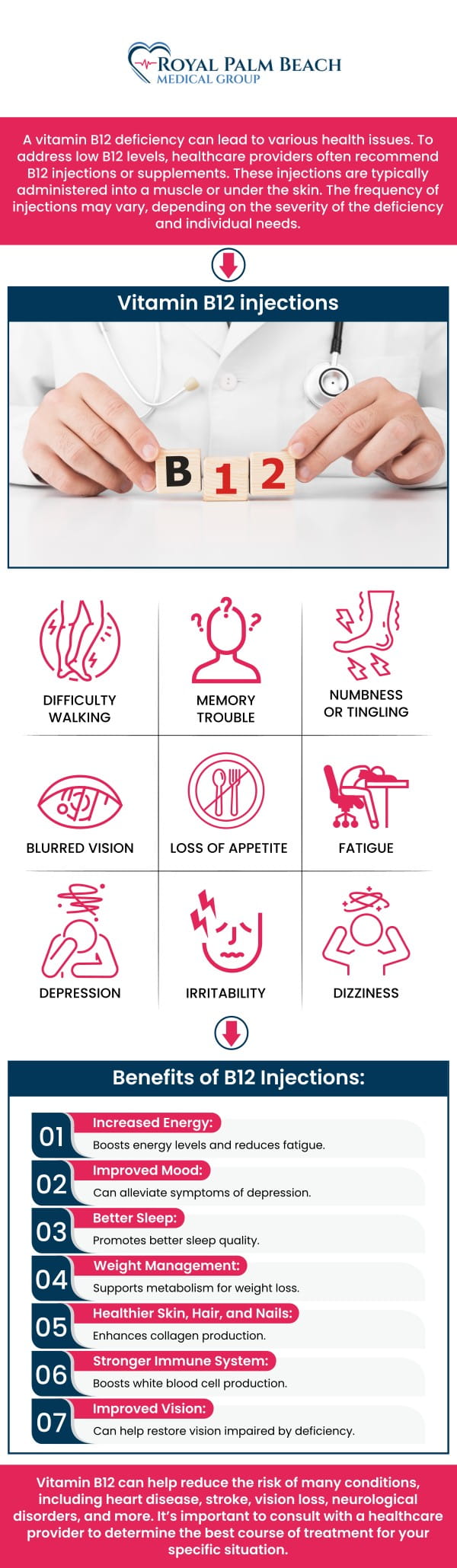
How Clinicians Reduce Risk with Proper Dosing and Administration
Even when a treatment is generally safe, execution matters. Here are the areas that make the biggest difference in minimizing avoidable problems.
1) Correct patient screening
Before giving vitamin b12 deficiency injections, clinicians typically review:
- History of reactions to injections or ingredients
- Current medical conditions
- Other lab abnormalities that may change the plan
- Medication list and relevant health history
2) Appropriate formulation and route
Not all “B12 shots” are identical in formulation. The intended route and formulation influence how quickly B12 levels may improve and how the body responds.
Important: safety is higher when the product and route match the clinical goal and patient needs.
3) Injection technique and aseptic handling
I’ve seen outcomes improve simply by tightening injection-day fundamentals: clean technique, correct needle selection, consistent documentation, and patient education on what to watch for afterward.
4) Follow-up labs and symptom tracking
In hands-on practice, the follow-up plan is where clinicians catch problems early—like insufficient correction, misdiagnosis, or another deficiency causing persistent symptoms.
- Recheck labs when clinically indicated
- Track neurologic and fatigue-related symptoms
- Adjust the plan based on response
Who Should Be Cautious or Ask More Questions
Most patients do well with B12 injections, but there are situations where I recommend extra caution and clearer discussion of goals and monitoring.
Consider extra evaluation if you have
- History of severe allergic reactions
- Unexplained neurologic symptoms that need careful workup
- Complex anemia where multiple deficiencies may coexist
- Persistent symptoms despite treatment—this can signal the original cause wasn’t addressed
If you’re pregnant, managing chronic illness, or taking multiple medications, ask your clinician how they’ll monitor response and whether labs should be repeated on a specific timeline.
Injections vs. Oral B12: Safety and When Each Makes Sense
Because your question is about safety, it’s worth comparing approaches. Oral B12 can be effective for some causes of deficiency, but injections may be preferred when absorption is impaired or symptoms are more urgent.
Why injections are often chosen
- More reliable delivery when absorption is the problem
- Often used when neurologic symptoms are present
- Helpful in cases where adherence to oral regimens is a challenge
When oral therapy may be reasonable
- If deficiency is mild and absorption is likely intact
- When a clinician has confirmed the cause and response expectations
- When follow-up can be reliably done
Bottom line: “safest” depends on your cause of deficiency and your symptom profile, not just the route.
FAQ
How quickly do vitamin b12 deficiency injections work?
Many people notice improvements in energy or related symptoms within weeks, while blood count and neurologic recovery can take longer depending on the severity and duration of the deficiency. Clinicians typically track response and may repeat labs to confirm the treatment is correcting the underlying issue.
What side effects should make me call the clinic?
Call your clinician promptly if you experience severe or worsening injection-site pain, extensive swelling, hives, difficulty breathing, or symptoms that feel like an allergic reaction. Mild soreness for a short period is common; escalation is the key signal to seek help.
Can B12 shots be harmful if I don’t actually have a deficiency?
They’re generally unlikely to be acutely dangerous for most people, but they can mask the real cause of symptoms and delay correct diagnosis. That’s why clinicians aim to confirm deficiency and evaluate contributing factors before starting vitamin b12 deficiency injections.
Conclusion: Making B12 Shots as Safe as They Should Be
So, are B12 shots safe? In most cases, yes—when they’re indicated, administered correctly, and followed by appropriate monitoring. The most important “safety step” isn’t just the injection itself; it’s confirming the cause of deficiency, using the right dosing plan, and reassessing labs and symptoms to ensure the treatment is actually working.
Next practical step: schedule a visit where your clinician can review your symptoms and relevant labs, confirm whether vitamin b12 deficiency injections are appropriate for your specific cause, and set a clear follow-up plan for rechecking results.
Discussion