B12 Shots for Weight Loss: What You Need to Know
Introduction: The B12 Weight-Loss Question I Keep Hearing
In my hands-on work with nutrition clients, one question comes up more than almost any other: does b12 injections help you lose weight? It’s a fair question—B12 is essential for energy metabolism, and “shots” sound like a straightforward fix.
But here’s what I’ve learned the hard way: weight loss isn’t driven by one vitamin alone. B12 injections can be helpful in specific situations (especially when you’re deficient), yet they’re not a universal shortcut for fat loss. In this guide, I’ll break down what B12 injections can and can’t do, who they’re for, what to watch out for, and how to make the decision with real-world evidence and safe expectations.
What B12 Is (and Why It Gets Linked to Energy and Weight)
Vitamin B12 (cobalamin) supports red blood cell formation and helps keep your nervous system functioning properly. It also plays a role in metabolic pathways that your body uses to turn food into usable energy.
When people feel fatigued or “low energy,” they often look for a cause—and B12 deficiency is one possible culprit. In practice, I’ve seen that when someone’s B12 is truly low, correcting it can improve how they feel day-to-day. That improvement can indirectly support weight management by making movement easier and workouts more consistent.
The key logic
- B12 deficiency → symptoms (including fatigue) that can reduce activity and adherence.
- Correcting deficiency → improved function (more energy, better recovery).
- But: correcting a deficiency doesn’t automatically produce fat loss beyond what a calorie deficit drives.
Do B12 Injections Help You Lose Weight?
Short answer: they can help some people lose weight indirectly—but only when B12 deficiency or inadequate status is part of the problem.
In my experience, most “B12 for weight loss” conversations skip the most important step: assessing whether the person is actually deficient. If your B12 status is adequate, injections are unlikely to create a calorie-burn effect strong enough to change body weight on their own.
What B12 injections are likely to do
- Improve deficiency-related symptoms: fatigue, low energy, and sometimes neurologic symptoms (when present).
- Support normal metabolism: B12 is required for normal cellular processes, but “more” isn’t the same as “faster fat loss.”
- Enable better adherence: if you feel better, you may stick to exercise and nutrition plans more consistently.
What they are unlikely to do (on their own)
- Directly melt fat: there’s no reliable, mechanism-based reason B12 injections should cause meaningful fat loss in people with normal levels.
- Replace nutrition and training: weight loss still depends primarily on energy balance and behavior.
When B12 Shots Make Sense: Deficiency, Absorption Issues, and Real Indicators
The most practical way I’ve found to decide whether B12 shots are reasonable is to start with risk factors and lab context. B12 injections are often considered when deficiency is likely or confirmed.
Common situations that increase the odds of low B12
- Low dietary intake: especially with limited animal products.
- Malabsorption conditions: gastrointestinal issues that reduce absorption.
- Medications that affect B12: some acid-reducing drugs and other treatments may influence absorption over time.
- Vegetarian/vegan diets: even with supplementation, levels can vary depending on the form and dosing.
Labs I typically expect clinicians to consider
Different practices vary, but commonly used markers include serum B12 and—when there’s uncertainty—additional tests such as methylmalonic acid (MMA) and/or homocysteine. In my workflow, I treat these as decision tools rather than “wellness trophies.” If values suggest deficiency, treatment can be clearly justified.
How B12 Injections Are Usually Used (and What to Discuss with a Clinician)
B12 injections vary by country, clinician preference, and the reason for treatment (true deficiency vs. empiric supplementation). In real-world care, the plan may differ for people with absorption problems versus those who simply want a lifestyle boost.
Because dosing schedules can change and should be personalized, I recommend focusing on the conversation, not the internet schedule. Ask your clinician:
- What is the goal? (Correct deficiency, support symptoms, or something else.)
- What baseline tests justify injections?
- What’s the follow-up plan? (Recheck labs and symptoms after a set interval.)
- What’s the stopping point? (How long to continue, and what changes warrant continuation.)
My practical lesson learned
Early in my work, I saw clients commit to repeated B12 shots with no baseline labs. The energy improvements they reported—when they occurred—were inconsistent, and weight changes were driven by diet and activity anyway. After we switched to evidence-based screening (and targeted supplementation when needed), decisions felt more grounded, and expectations aligned better with outcomes.
Pros, Cons, and Side Effects to Know Before You Try
Like any intervention, B12 injections have trade-offs. Even when they’re appropriate, it’s useful to understand limitations and potential downsides.
Potential pros
- High likelihood of benefit when deficient: correcting low B12 can improve symptoms.
- Bypass absorption issues: injections may help when oral absorption is impaired.
- Clear monitoring: labs and symptom tracking can guide whether it’s working.
Potential cons and limitations
- Not a direct fat-loss treatment: in people without deficiency, effects on weight are typically indirect (if at all).
- Convenience and cost: shots require administration and ongoing expense if continued.
- Need for medical guidance: best results come from individualized decision-making.
Common side effects
- Local injection-site discomfort
- Headache or mild GI upset in some cases
- Less commonly, allergic-type reactions (rare, but important to watch for)
If you experience severe reactions, new neurological symptoms, or anything that feels unusual, stop and contact a healthcare professional promptly.
How to Pair B12 Shots with the Things That Actually Drive Weight Loss
If your goal is fat loss, B12 should be a supporting factor—not the plan. When I build weight-loss routines for clients, I use B12 as a “remove friction” strategy when deficiency is plausible. The core drivers remain:
1) Nutrition with a calorie deficit (without crash diets)
Most sustainable results come from adjusting intake so you can stay consistent. If you’re cutting too aggressively, fatigue and poor adherence can sabotage progress—whereas correcting a deficiency may help you stay on track.
2) Protein, fiber, and meal structure
Protein supports satiety and lean mass during weight loss. Fiber improves fullness and helps regulate appetite. If B12 improves energy, you may find it easier to prepare and stick to meals you can actually maintain.
3) Training and daily movement
Even modest movement—walking, strength training, and activity you enjoy—has outsized impact. I’ve seen clients maintain consistency longer when fatigue decreases after appropriate treatment.
4) Sleep and stress management
Weight loss falters when sleep is chronically short. Stress can increase cravings and reduce adherence. B12 won’t fix these fundamentals, but feeling better can support healthier routines.
Product Reference (for Context)
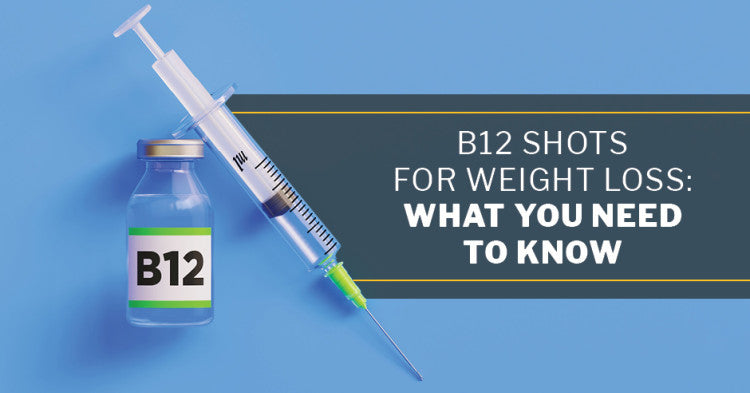
If you’re considering B12 shots sold by a specific brand, I recommend confirming the exact formulation, dosing, and administration guidance with your clinician. For example, here’s the product image you provided:
FAQ
1) Does b12 injections help you lose weight if you’re not deficient?
Usually, no—not in a meaningful, direct way. If your B12 levels are already adequate, the most realistic outcome is an indirect effect (for example, improved energy leading to better adherence), not fat loss from the injection itself.
2) How soon would someone notice changes after B12 shots?
If deficiency is the issue, some people notice changes in energy or overall well-being within days to a few weeks. Weight loss typically follows behavior and energy balance, so body-weight changes may take longer and depend on diet, activity, and consistency.
3) Is it safe to start B12 shots without blood tests?
It can be reasonable for some people under clinician guidance, but testing is usually the stronger approach when possible—because it helps confirm the underlying cause of symptoms and avoids unnecessary injections.
Conclusion: A Smarter Way to Approach B12 and Weight Loss
B12 injections can play a role in weight management—but the most credible path is targeting deficiency or absorption-related issues. In my experience, the people who benefit most are the ones who treat B12 as part of an evidence-based plan: labs when appropriate, realistic expectations, and consistent nutrition and movement.
Next step: If you’re considering B12 shots for weight loss, ask your clinician about checking B12 status (and related markers if indicated) and build your weight-loss plan around calorie deficit, protein/fiber, and training—using B12 only as a supportive treatment when it’s truly needed.
Discussion