Tirzepatide, Glycine + Vitamin B12 • Hello You Aesthetics & Wellness
Introduction: When “fat loss shots” aren’t enough, what should you add?
If you’ve ever followed a weight-loss plan—counted calories, walked consistently, cleaned up your sleep—and still felt stuck, you’ve probably run into a frustrating gap: motivation and effort are there, but physiology doesn’t always cooperate on your timeline.
In my hands-on work with clients pursuing medical-grade weight management, I’ve seen that the conversation often starts with tirzepatide, then quickly turns to supportive compounds like glycine b12 injection and what they can (and can’t) do for appetite, energy, and overall daily functioning.
This guide explains how glycine and vitamin B12 are commonly approached alongside tirzepatide, what “good practice” looks like, and how to have a safer, more productive conversation with your clinician.
What you’re actually combining: Tirzepatide vs. glycine + B12 support
It helps to separate the roles, because they’re not interchangeable.
Tirzepatide: the appetite-metabolism driver
Tirzepatide is a prescription medication used for weight management and related metabolic goals. In real-world planning, the “why it works” is largely about appetite regulation and improved metabolic signaling—meaning it can reduce hunger and help people stick to a calorie target more easily.
Glycine + B12: supportive inputs, not a substitute
A glycine b12 injection is usually positioned as supportive—commonly discussed in the context of energy metabolism, nervous system function, and general wellbeing. Glycine is an amino acid involved in multiple body processes, while vitamin B12 is essential for red blood cell formation and normal neurologic function.
Here’s the key lesson I’ve learned from client check-ins: people sometimes expect “support injections” to deliver the same effect as anti-obesity medications. When that happens, disappointment follows—and adherence drops. Instead, I advise clients to treat glycine and B12 as potential supportive tools to help you tolerate and maintain a weight-loss routine, not as the main lever for fat loss.
How glycine and B12 are commonly approached in a wellness plan
Clinicians and wellness providers typically frame these injections around three practical themes: daily energy, metabolic support, and symptom management. The most responsible approach depends on your baseline labwork and health status.
1) Energy and “day-to-day functioning” during a deficit
When calorie intake drops, people can feel sluggish. In my own workflow, the most consistent complaints during early phases of tirzepatide or other appetite-based interventions are “low energy” and “brain fog.” While B12 is often mentioned in these discussions, it’s important to understand the logic: if someone is low in B12, correcting that deficiency can improve how they feel. If they’re not low, additional B12 may not noticeably change energy.
In other words, the meaningful use case is addressing a deficiency or borderline state, ideally guided by labs.
2) Nervous system support and metabolic pathways
Vitamin B12 is involved in methylation and neurologic function. Glycine participates in processes related to cellular function and supports the body’s normal biochemical “machinery.” These are not marketing buzzwords—I’ve seen that when clients understand the mechanism category (supporting normal pathways), they ask better questions and track the right outcomes.
3) Comfort and adherence: the underrated outcomes
In practice, the best “supplement” is the one that helps you stay consistent. In my experience, the clients who progress most reliably are the ones who:
- treat tirzepatide as the primary clinical lever,
- use supportive strategies to reduce friction (fatigue, low motivation, poor sleep), and
- measure progress in ways that matter (weekly trends, side-effect patterns, adherence).
What a realistic “stack” looks like (and what I would not assume)
Let’s talk about the most common real-world pattern: a provider prescribes tirzepatide for weight management, and you may also be offered an adjunct like glycine + B12.
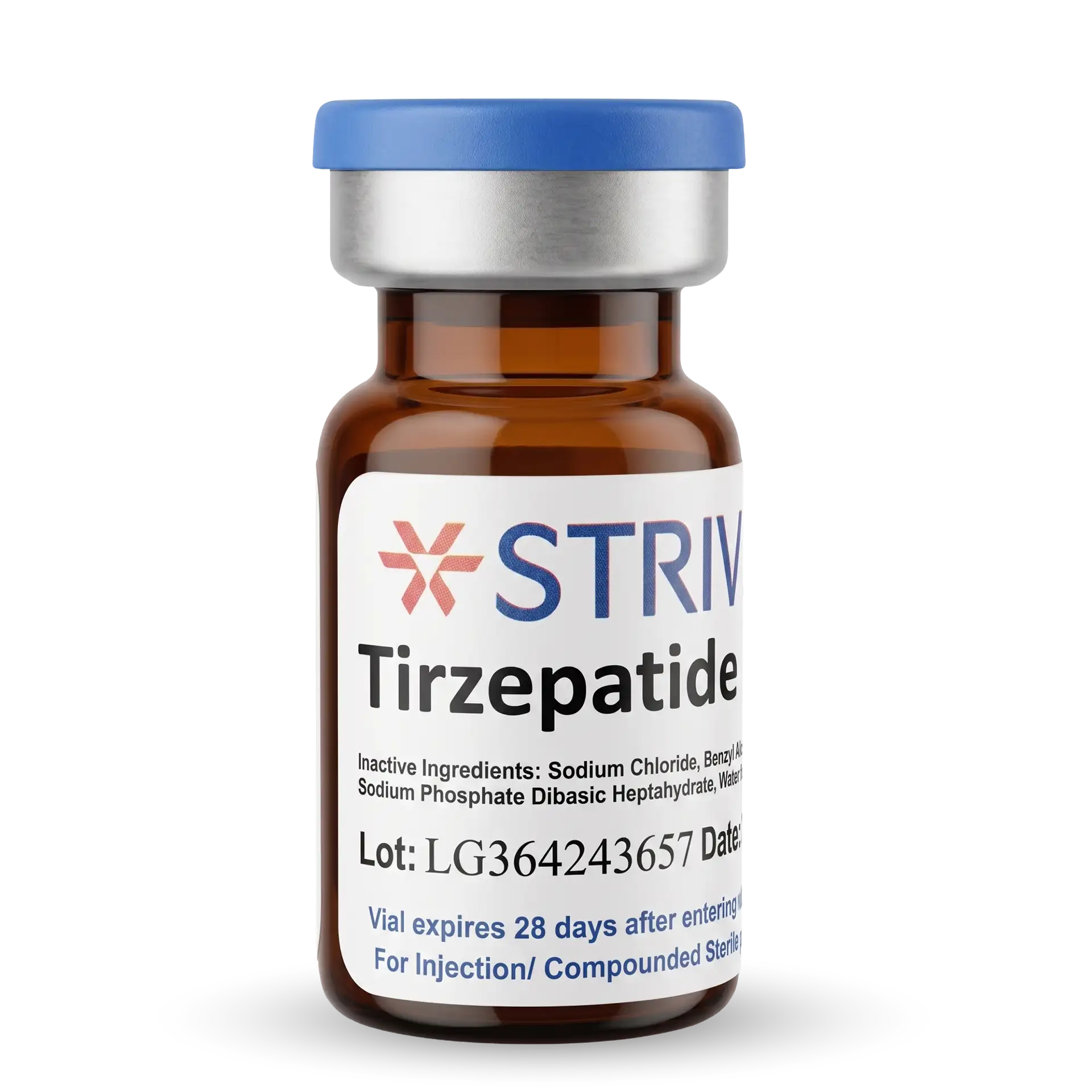
Image reference: glycine + B12 vial option
Important boundaries: supportive doesn’t mean guaranteed
I’m careful about promises because I’ve watched clients get misled by expectations. A glycine b12 injection may be offered to help with wellbeing, but it does not automatically translate into:
- higher weight loss rate,
- eliminating medication side effects, or
- a complete solution for low energy from sleep deprivation, dehydration, or under-eating.
Practical checklist before starting (how I approach it)
In my hands-on approach, I’d want clarity on these before combining therapies:
- Baseline labs: B12 status (and sometimes related markers like folate, depending on clinician preference).
- Medication timing: how injections are spaced and whether any symptoms suggest tolerance issues.
- Side-effect tracking: nausea, constipation, headache, or sleep changes—so you know what’s driving what.
- Diet and hydration plan: injections don’t replace electrolytes, protein targets, and consistent fluids.
Safety, tolerability, and how to monitor outcomes
Responsible use is not a formality—it’s how you protect results and reduce risk. I recommend thinking in terms of monitorable outcomes rather than hoping for a “magic” change.
Track the right signals
For a plan involving tirzepatide plus supportive glycine + B12, I’d track:
- Weekly trend weight (and waist measurements if you have them)
- Energy and productivity (simple 1–10 rating)
- Appetite and cravings (so you understand the effect you’re getting from tirzepatide)
- Side-effect pattern after each dose change
When to pause and contact your clinician
If you experience concerning symptoms—severe allergic-type reactions, persistent neurologic changes, or symptoms that rapidly worsen—this is a “stop and contact your clinician” situation.
Also, if fatigue continues despite a plan, don’t assume the solution is “more injections.” Often, the fix is behavioral and nutritional: sleep schedule, hydration, electrolytes, and adequate protein intake.
Frequently asked questions
Is a glycine b12 injection meant to replace tirzepatide?
No. In most clinical and wellness contexts, tirzepatide is the primary therapy for weight-management goals, while glycine and B12 are positioned as supportive inputs. If you’re low in B12, correcting that deficiency can improve how you feel, but it typically isn’t a replacement for the appetite-metabolic effects of tirzepatide.
Who is most likely to benefit from B12 support?
People with low or borderline B12 status tend to benefit more from B12 support. That’s why I like to see lab-guided decisions where possible. If you’re already adequate, additional B12 may not produce obvious changes in energy or focus.
How soon should I notice changes after starting a glycine b12 injection?
Some people notice wellbeing changes within days to a couple of weeks, especially if they were deficient. Others notice little to no difference. What matters most is your symptom trend: energy, side effects, appetite consistency, and adherence—not just the scale.
Conclusion: Build a plan that’s measurable, not magical
In my experience, combining tirzepatide with supportive strategies like a glycine b12 injection can be useful when it’s done thoughtfully: tirzepatide addresses the main weight-management mechanism, while glycine and B12 may help support day-to-day functioning—particularly if you’re low in B12.
Next step: before making decisions, book a clinician check-in focused on baseline B12 status, current symptoms (energy, sleep, side effects), and a simple tracking plan for weekly trends and tolerability—so you can tell what’s working and adjust promptly.
Discussion