Vitamin B12 Injection For Chicken Vitamin B12 for Chickens
One of the most frustrating problems we see in poultry work is “good birds” that suddenly slip—slower growth, lower feed efficiency, and dullness that doesn’t match the rest of the flock’s conditions. In those moments, people ask me whether a vitamin b12 injection for chicken is a real solution or just a gamble. In this guide, I’ll walk you through when B12 actually helps, how to think about injections vs. supplements, and what I look for in real-world flocks so you can make a safer, more effective decision.
What Vitamin B12 Does in Chickens (and Why Deficiency Can Be Subtle)
Vitamin B12 (cobalamin) plays a supporting role in key metabolic pathways—especially those connected to energy utilization and the formation of certain blood components. In practical terms, when B12 status is low, birds may not show dramatic symptoms right away. Instead, performance and resilience can drift: less efficient conversion of feed into body mass, reduced appetite, and increased susceptibility to stressors that normally wouldn’t knock a flock off track.
In my hands-on experience with brooding and grow-out management, B12 issues are often confused with other causes because the visible signs overlap:
- Diet mismatch (energy/protein imbalance or poor formulation)
- Gut problems (coccidiosis, dysbiosis, chronic irritation)
- Heat stress or handling stress
- Parasites or underlying infections
That’s why I treat vitamin B12 injection as a targeted tool—not a substitute for diagnosing why birds are underperforming.
Vitamin B12 Injection for Chicken: When It Makes Sense
A vitamin b12 injection for chicken can be appropriate when you need quick correction or when oral routes may not be effective due to reduced appetite, malabsorption concerns, or acute production setbacks. In the real world, injections are typically considered in scenarios where:
- Recent performance drop happened quickly (days to a couple of weeks) and coincides with conditions that can impair nutrient utilization.
- Birds are not eating well or are selectively feeding—making dietary supplementation less reliable.
- You’re working with high-stakes production (breeders, show flocks, or narrow margins) where “waiting it out” can be costly.
- You have an evidence-based reason to suspect B12 deficiency or impaired utilization (for example, known ration formulation issues, prolonged feed disruption, or gut damage).
Important limitation: an injection won’t fix problems caused primarily by poor diet formulation, severe coccidiosis, biosecurity failures, or an infectious outbreak. If the underlying cause is still active, B12 injection may only provide temporary improvement.
A Practical Decision Framework I Use
Before recommending an injection approach, our team asks three questions that help prevent “treating the wrong thing”:
- Is there a management or nutritional trigger? (ration change, storage issues, sudden feed refusal, rough transit, long periods with damaged feed)
- Are there gut or health red flags? (diarrhea, blood in droppings, severe lethargy, high mortality, uneven flock)
- Is the response you expect realistic? If birds need gut recovery, ventilation correction, or disease control, B12 may be supportive—but not the primary fix.
This is how we avoid wasting time and money on a “vitamin-only” approach when the real bottleneck is somewhere else.
Injection vs. Other Options: Supplements, Feed Strategy, and Supportive Care
Vitamin B12 can be delivered through diet or supplements, and sometimes through injections. The best choice depends on how urgent the situation is, how well birds are eating, and whether there’s reason to believe absorption is compromised.
Oral or Dietary B12 (When It’s Usually the Better First Step)
When birds are actively eating and your ration is consistent, improving dietary B12 availability can be a sensible route. I generally prefer addressing the feed first because it supports the whole flock over time and reduces handling stress. Dietary strategy also helps avoid the risk of improper injection technique.
Injection (When You Need Speed or Circumstances Limit Oral Intake)
An injection can be considered when you need immediate support or when birds can’t take in enough from feed. However, injections introduce handling, and handling itself can worsen outcomes if the flock is already stressed. In my experience, injection works best as part of a broader plan—correcting water quality, ventilation, stocking density, and any active health issues.
Supportive Care That Often Matters More Than Any Single Vitamin
- Clean water and correct drinker function (water intake is a performance lever)
- Proper ventilation to reduce respiratory stress
- Correct brooding and thermal management for young birds
- Disease control measures where indicated (biosecurity, parasite management, and treating confirmed issues)
Think of B12 as an important piece of nutrition and metabolism—supportive to recovery and performance—but rarely the only moving part.
How to Think About Safety and Administration (High-Level Guidance)
Because “vitamin b12 injection for chicken” is a specific practice, safety and correct dosing matter. I’m not going to invent dosing instructions in this article, since formulations, concentrations, and labeled directions vary by product and jurisdiction. What I can do is give you a safe, practical way to approach administration:
- Use only the product intended for poultry and follow the label or your veterinarian’s guidance.
- Confirm bird selection: don’t inject the entire flock unless there’s a clear, supported reason—target individuals that truly meet the criteria.
- Minimize stress during handling: warm, quiet handling; avoid repeated capture if birds are already distressed.
- Maintain sterile technique and avoid reusing needles.
- Monitor outcomes for a short, defined window (behavior, appetite, droppings, growth trend), and reassess if there’s no response.
If you’re seeing systemic illness—weakness, severe diarrhea, respiratory distress, or high mortality—your first move should be diagnosis and disease control, not supplementation alone.
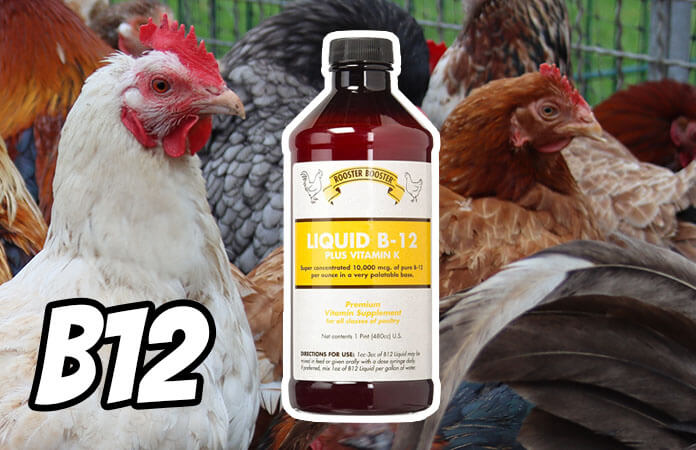
Common Mistakes I’ve Seen When People Try B12 Injections
After working with poultry caretakers over many cycles, these are the recurring missteps that reduce results or increase risk:
- Using injections when the real issue is gut disease—you may see a brief improvement, but the underlying problem continues.
- Relying on B12 while ignoring feed and water quality (even a perfect vitamin can’t overcome poor intake conditions).
- Inconsistent dosing or random product substitutions—different concentrations and formulations aren’t interchangeable.
- Injecting without measuring outcome—if you don’t track response over time, it’s impossible to learn whether your strategy is working.
- Skipping stress management—handling can worsen performance, especially in heat-stressed or already immunocompromised flocks.
If you want results that stick, treat B12 as part of a measured plan, not a one-off reaction.
FAQ
When should I consider a vitamin b12 injection for chicken?
Consider it when birds are underperforming with a plausible reason to suspect B12 deficiency or impaired utilization, and when oral routes are less reliable (for example, birds aren’t eating well). It works best alongside addressing the primary cause (feed formulation, gut health, water quality, ventilation, and confirmed disease control).
Will vitamin B12 injections fix poor growth by themselves?
Usually not. Poor growth is typically multifactorial—nutrition balance, gut health, pathogen pressure, temperature, stocking density, and management all matter. B12 can be supportive, but it won’t override major problems like active illness or a fundamentally wrong ration.
How do I know if the injection strategy is working?
Track a short, defined set of indicators such as appetite/behavior, droppings consistency, and growth trend. If there’s no meaningful improvement and underlying stressors or health issues remain, reassess and switch focus to diagnosis and core management corrections.
Conclusion: Use B12 Injection as Targeted Support, Not a Shortcut
A vitamin b12 injection for chicken can be a useful tool when you have a reason to suspect B12-related limitations and when speed or reduced oral intake makes injections more practical. But in my hands-on work, the best results come from pairing B12 support with the fundamentals: correct feed strategy, water and ventilation, gut health attention, and prompt disease control when needed.
Next step: Identify the likely trigger behind your flock’s decline (feed change, gut red flags, heat stress, water intake, or a disease concern), then choose B12 injection only if it matches that diagnosis—and track measurable response over the following days.
Discussion